

It's easy to imagine India's bustling cities, ancient forts, and cultural celebrations. Yet beyond the city lights lies another world, where the night sky comes alive with billions of stars, the soft glow of the Milky Way, and the occasional streak of a meteor. Stargazers find refuge in various national locations, including backwaters, salt flats, mountains, and deserts. In addition to being beautiful spots, these are among India's top stargazing spots, where you can establish enduring and profoundly intimate connections with the universe. Whether camping under the stars, learning astrophotography, or simply lying back to trace constellations, these journeys make you feel like a part of something infinite. With astro-tourism India 2025 on the rise, you'll find more places than ever where stars meet culture, silence, and storytelling.
Hanle, Ladakh – Gateway to the Darkest Skies
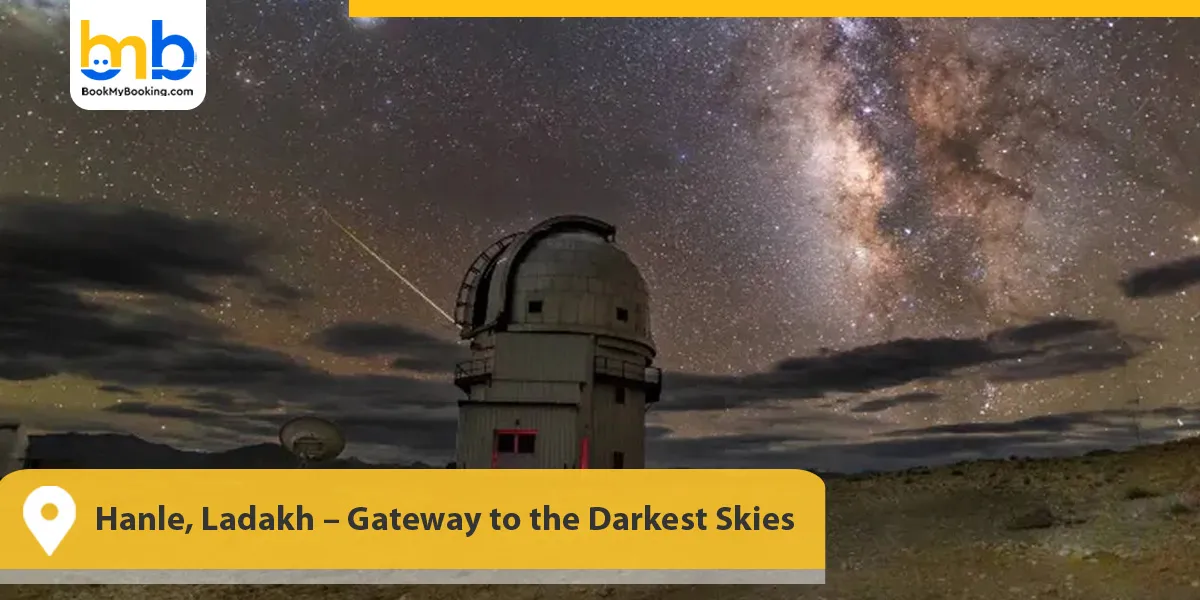
Far out in the Changthang region, Hanle is where silence stretches as far as the horizon, and the sky becomes your companion. Here, nights are so clear that you can trace constellations with the naked eye and watch the Milky Way curve across the heavens. What makes it even more special is the Ladakh astronomy observatory, perched at one of the world's highest points, which adds an otherworldly feel to your stargazing experience. You don't need equipment to be amazed; the sheer brilliance above you is enough to humble you. Staying in a local homestay reveals how star stories have long been woven into the life of the region. Hanle is one of the rare dark sky reserves in India nurtured, ensuring that the night remains free of glow and noise. It's not just a trip; it's an invitation to experience space in its purest form.
- Best time to visit: May to September for open routes and clear skies.
- Extra Tip: Pair your stargazing with a trip to Tso Moriri for mirrored night reflections.
Spiti Valley – Stargazing Amid the Himalayas
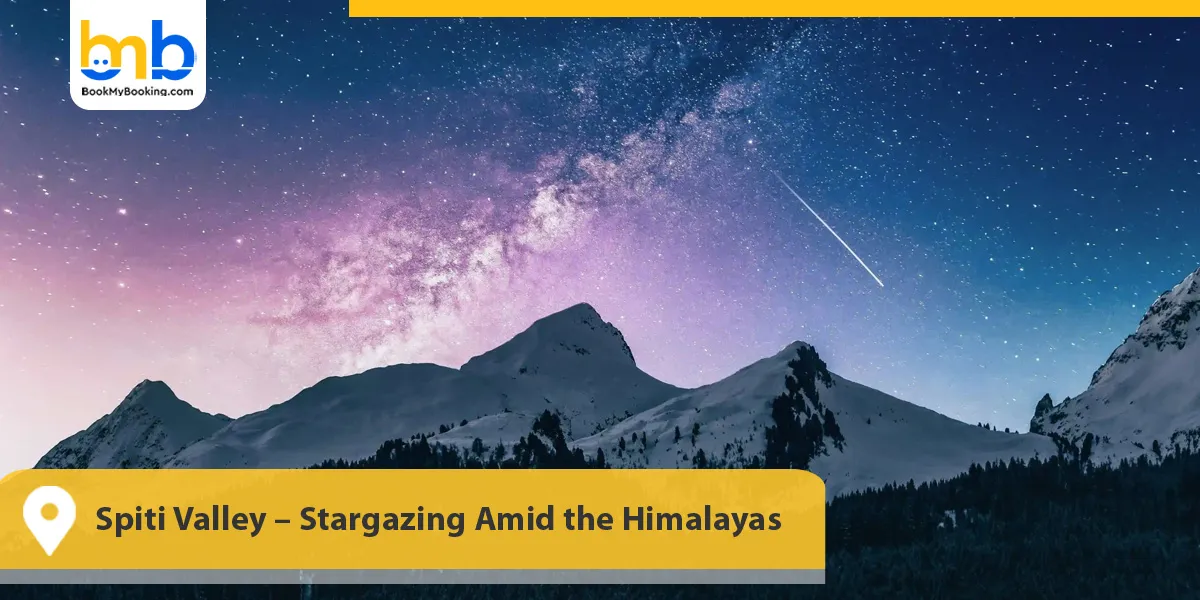
The evenings in Spiti are just as lovely as the days. You feel the world slow down around you as darkness descends and the valley opens to a canopy of limitless stars. Komic and other high-altitude communities are ideal for relaxing, wrapping yourself in warmth, and allowing the sky to engulf your senses. If you trek to Chandratal Lake, the reflection of the night sky on its still waters creates one of the most magical sights you'll ever witness. The beauty here is not about chasing activity but finding stillness under the stars. Many speak of how the valley changes how they see time and silence. Spiti has quietly become one of the best stargazing places in India, a true paradise for those who want the universe without distractions. As part of the growing movement of astro-tourism India 2025, the valley welcomes dreamers, photographers, and anyone who longs to reconnect with the cosmos.
- Best time to visit: June to September for accessible passes and warm weather.
- Extra Tip: Visit Key Monastery to witness its golden silhouette under starlight is unforgettable.
Rann of Kutch – A Galaxy Above White Sands
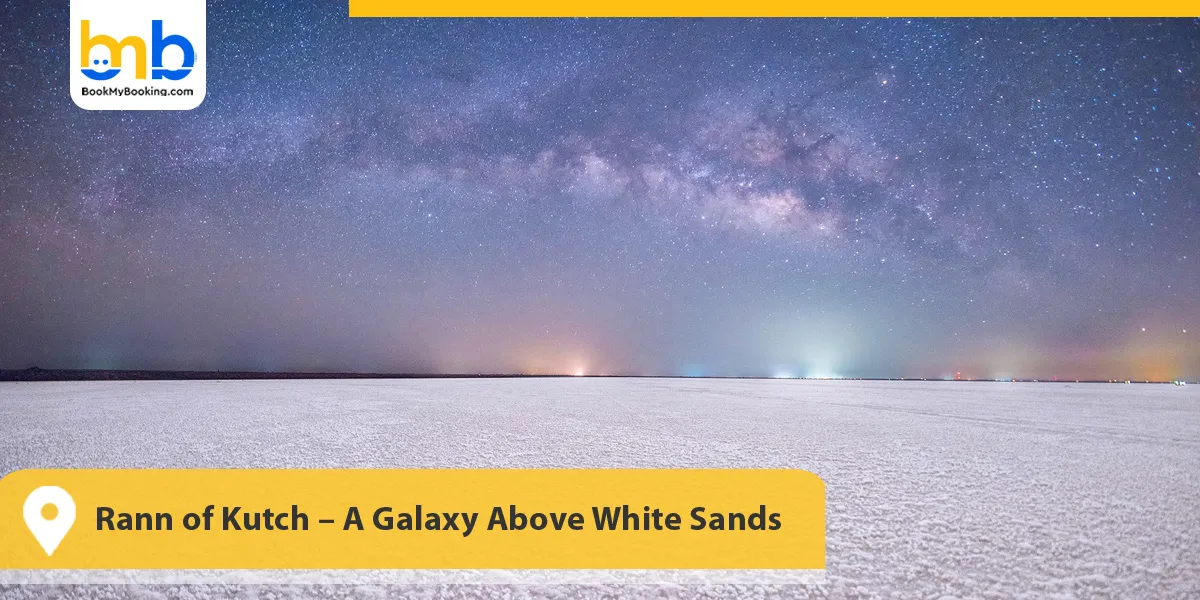
Standing on the salt flats of Kutch at night is like being transported to another planet. The endless white desert glows faintly under moonlight, and when the skies darken, stars scatter across it like diamonds on glass. This is where you can experience silence, broken only by the crunch of salt beneath your feet. If you visit during the Rann Utsav, cultural performances and local craft villages add another layer of magic, but the real show begins once the lamps fade. Many travellers bring their cameras here to try long exposures, as the horizon offers a surreal backdrop for celestial frames. Few experiences compare to the Rann of Kutch astrophotography opportunities, where ground and sky create art together. As the movement of astro-tourism in India 2025 grows, this desert remains one of its crown jewels, blending culture, solitude, and the infinite.
- Best time to visit: November to February, when the desert festival coincides with clear skies.
- Extra Tip: Choose a night away from the full moon for the best star visibility.
Jaisalmer Desert – Starlight Over Golden Sands
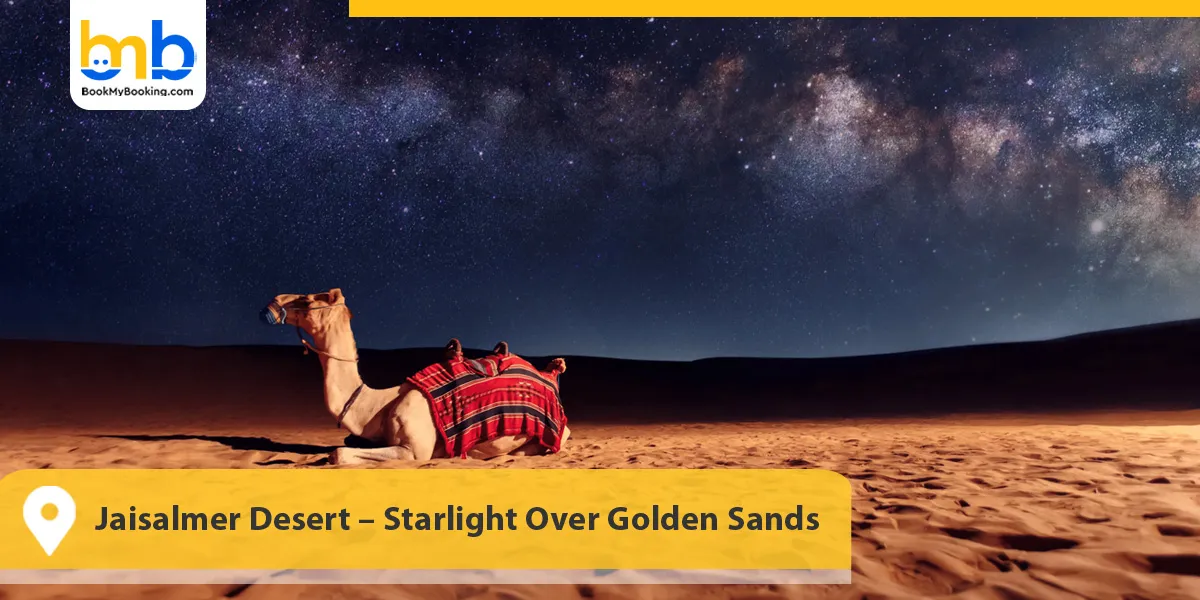
The Thar Desert around Jaisalmer offers a stargazing experience like no other. Riding on a camel and camping amid rolling dunes, you quickly realise how far you've stepped from city lights. Here, the nights are long and open, exposing almost touchable constellations. There are opulent tents where you can enjoy chai while looking at the sky if you want comfort. Sleeping on the beach beneath the stars is pure enchantment for the daring. Even novices can identify galaxies here without the need for telescopes, making it one of India's most significant locations for stargazing. With the popularity of stargazing camps in India, you may choose from carefully planned, all-inclusive packages to more rural settings. The desert offers an unforgettable night, whether you're travelling with loved ones, friends, or just your own sense of awe.
- Best time to visit: October to March for cooler desert nights.
- Extra Tip: Carry a light blanket—desert temperatures drop sharply after dark.
Kerala Backwaters – Stars on Water
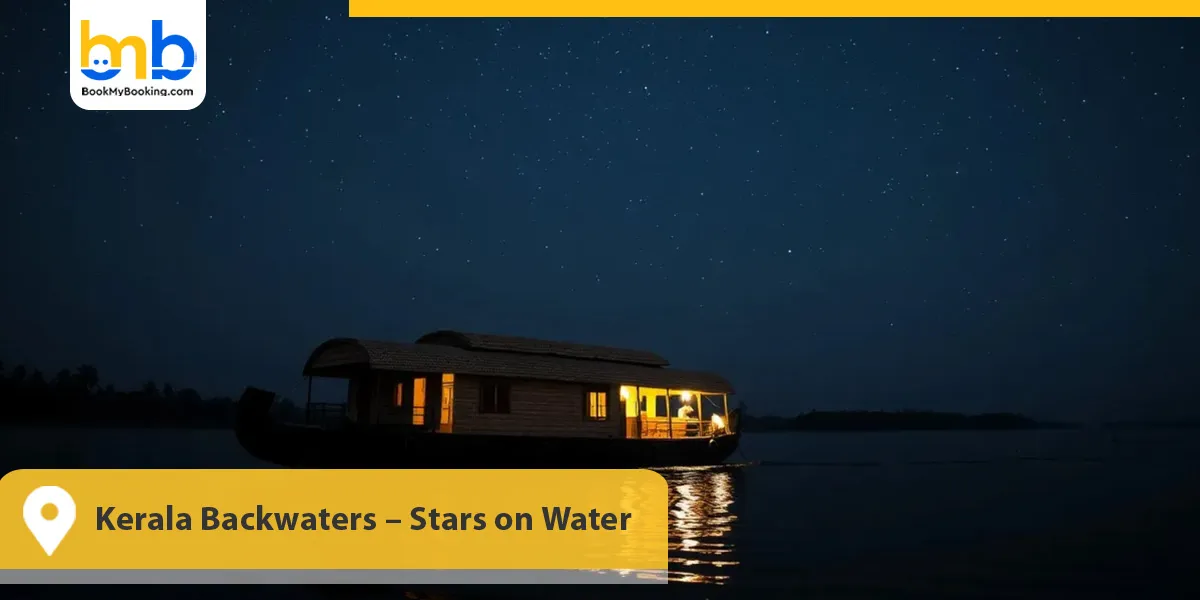
Kerala conjures images of houseboats, canals lined with palm trees, and the cadence of leisurely movement. However, another rendition starts when twilight descends on the backwaters. Stars appear one by one, perfectly reflected in the still lagoons below, and you can watch the sky deepen into indigo from the deck of a quiet boat. Drifting in near silence, you're suspended between two skies—one above and one reflected. This unusual combination makes the backwaters a hidden gem for those seeking something different from mountain or desert skies. Increasingly, travellers are discovering the charm of Kerala backwater stargazing, where traditional life flows side by side with cosmic wonder. As part of the broader movement of astro-tourism in India 2025, these waterways show that you don't always need altitude for clarity—sometimes you need tranquillity. For a night here, the universe belongs entirely to you.
- Best time to visit: November to March for clear skies and pleasant weather.
- Extra Tip: Book an overnight houseboat for uninterrupted stargazing in calm waters.
Uttarakhand – Nakshatra Sabha Experience
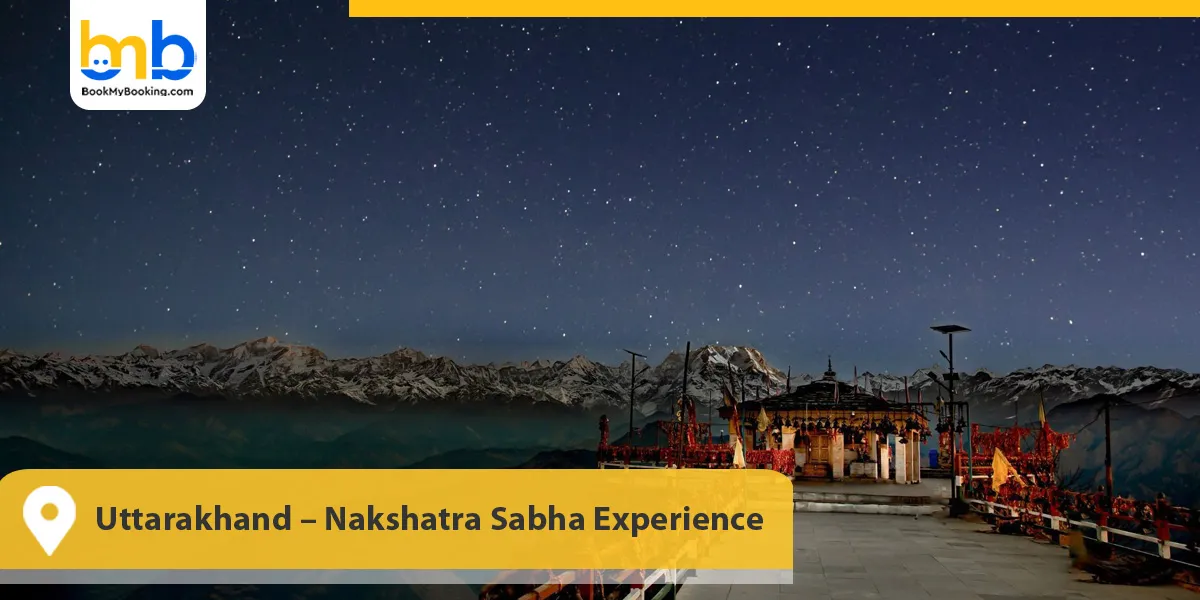
Uttarakhand's mountains have long drawn pilgrims and trekkers, but now they're also becoming sanctuaries for night sky lovers. Places like Bhimtal and Mukteshwar have a starry evening sky perfect for photographers and casual watchers. The Nakshatra Sabha Uttarakhand program sets the region apart, providing outdoor guided programs that blend mythology and science. With the assistance of specialists, you will discover how to identify constellations, hear their stories, and even attempt using telescopes. It's an excellent way for families to bond across generations and experience the wonders of the cosmos. Every night feels intimate because of the serenity of pine forests and the clear mountain air, as if the stars had moved closer to you specifically. Slowly, Uttarakhand is emerging as one of the brightest names in India's astro-tourism destinations, a perfect mix of nature, learning, and cosmic storytelling.
- Best time to visit: October to April, with winter skies offering exceptional clarity.
- Extra Tip: Carry binoculars—they're light, easy, and make the night sky more engaging.
Jantar Mantar, Delhi – History Meets the Cosmos
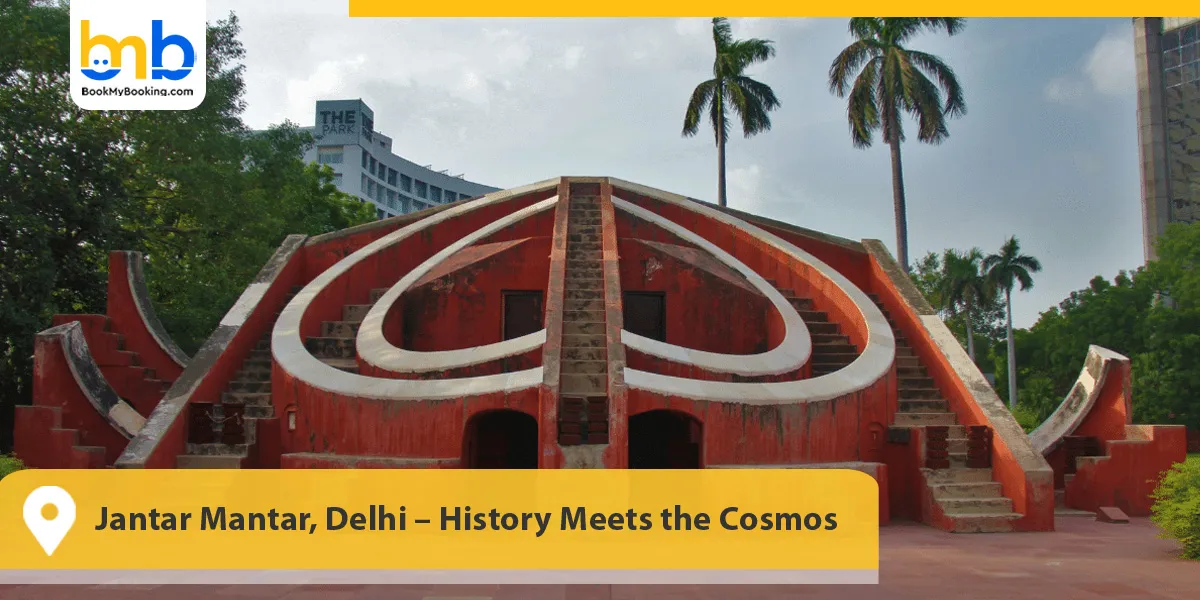
To connect with the stars, you don't always have to travel to isolated areas of the nation. Centuries-old instruments constructed by Maharaja Jai Singh II that were intended to map celestial movements with extraordinary accuracy still stand tall at Delhi's Jantar Mantar. You may experience the fusion of science, architecture, and awe that characterised India's early fascination with the night sky when you visit in the evening. Jantar Mantar night sky programs are now held on some evenings, when professionals use a combination of historical narration and contemporary telescopes to lead you through constellations. It reminds you that astronomy and India have a long history together and that you are simply a part of that history by being here. This is your opportunity to discover how people used to map time and space using only the sky and stone. Slowly, Jantar Mantar is being rediscovered as one of the more unusual India astro-tourism destinations, giving you an experience that is cultural, scientific, and magical all at once.
- Best time to visit: October to March for cooler evenings in Delhi.
- Extra Tip: Combine with an Old Delhi food walk—stars above, flavours below.
Chandratal Lake, Himachal Pradesh – Stars in a Silver Bowl
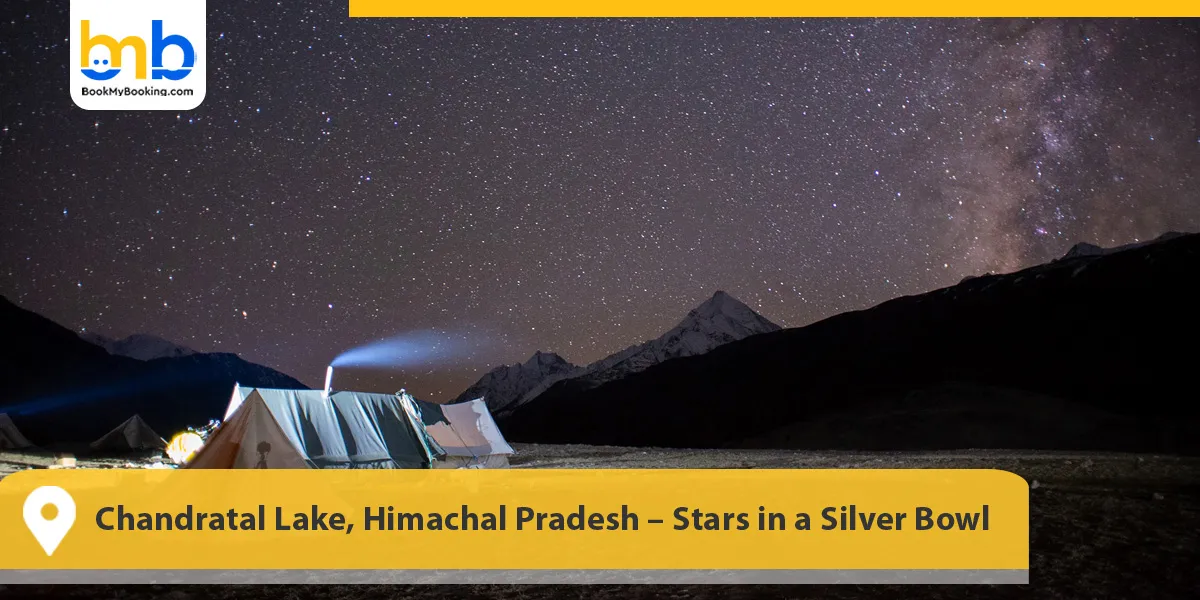
At almost 4,300 meters, Chandratal, which translates to "Lake of the Moon," is a place that seems built especially for dreamers. Its turquoise waters contrast with the rocky peaks during the day, but the lake is a perfect reflection of the sky at night. It is a sight so spectacular that it seems unreal to sit by the shore and watch the Milky Way reflected in silence. Many travellers camp here specifically to practice Chandratal Lake astrophotography, as the absence of artificial glow makes it a natural canvas for long exposures. You soon realise this is more about knowing your role in the cosmos than snapping photos while you are still enveloped. When visiting Himachal, including Chandratal in your itinerary balances exploration and introspection. Slowly, it is becoming recognised within astro-tourism in India 2025 as a destination that offers beauty by day and magic by night, ensuring every moment feels extraordinary.
- Best time to visit: June to September when the lake is accessible by road.
- Extra Tip: Acclimatise well—it's high altitude requires preparation.
Coorg, Karnataka – Coffee and Constellations
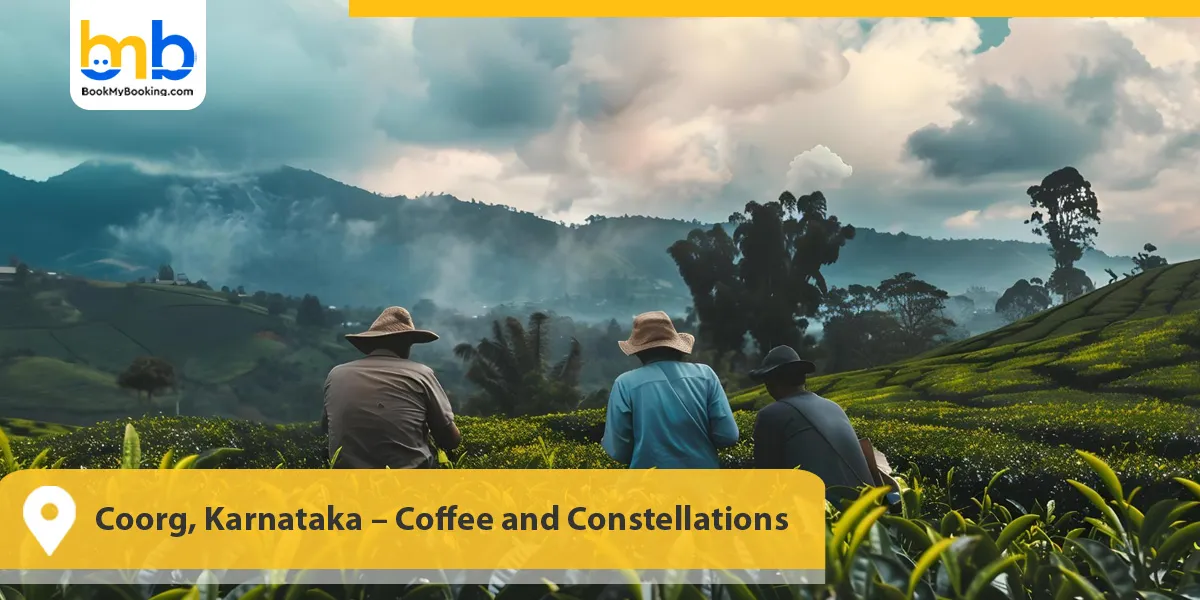
Coorg, sometimes called the "Scotland of India," is renowned for its foggy hills and coffee plantations but also has a beautiful night sky. Stars can be seen rising above undulating plantations after a day of exploring spice gardens and enjoying rich beverages. Unlike deserts or high-altitude passes, Coorg's charm lies in its accessibility, you don't need to venture far from comfort to enjoy clear skies. Some luxury stargazing resorts in India have promoted this region, even set up telescopes on their lawns, letting you and your family explore planets while enjoying homely warmth. The contrast makes the experience special: fireflies darting among trees while constellations shimmer above. With rising interest in family astro-tourism packages, Coorg is quickly becoming a favourite for travellers who want to combine indulgence with cosmic wonder. You don't chase the stars here, they quietly come to you.
- Best time to visit: November to March for clear winter skies.
- Extra Tip: Opt to stay on estates outside Madikeri to avoid light interference.
Kutch Villages – Tribal Stories Under the Stars
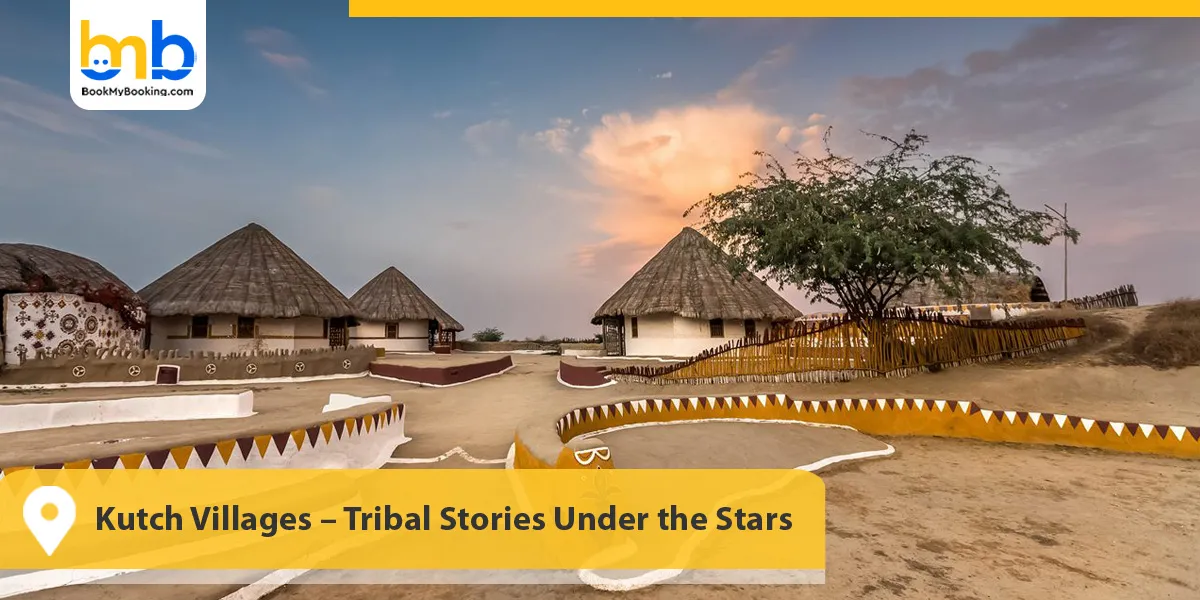
Beyond the vast salt flats, the small settlements of Kutch offer something as fascinating as stargazing and oral storytelling. Elders frequently relate constellation myths passed down through the years when you sit around a fire in a tribal hamlet. On these evenings, the universe transcends science and takes on the forms of memory, music, and narrative. It is like entering an old schoolroom under the stars to participate in such events. You become aware as you glance up that you are seeing into centuries of tradition in addition to the sky. Tribal astrotourism experiences gradually establish a distinct market here, offering cosmic and soulful nightlife. These interactions demonstrate how astrotourism affects the rural economy, as your trip directly helps local craftspeople and Artisans. For anyone seeking something more profound than photographs, Kutch's villages remind you that stars are as much about stories as light.
- Best time to visit: November to February, alongside the cooler desert climate.
- Extra Tip: Stay in mud huts for an authentic cultural experience.
Andaman Islands – Ocean Meets the Stars
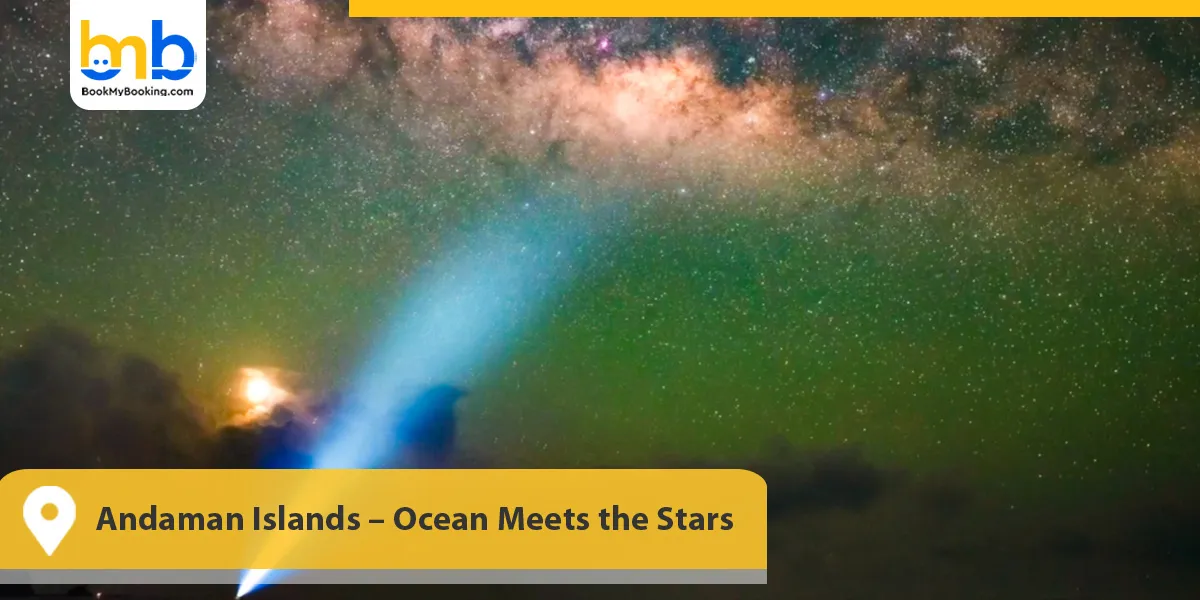
The Andaman Islands, located far out in the Bay of Bengal, uniquely contrast velvety heavens at night and turquoise oceans by day. The horizon seems to go on forever once the sun sets, and above the murmuring waves, constellations appear. Radhanagar Beach's sand glows softly in the starlight at night, and you may even spot bioluminescence shimmering at the water's edge. You get a sensation of infinity in all directions here, where the ocean meets the universe. Some luxury stargazing resorts in India have recently been introduced, setting up telescopes on private decks, letting you explore planets with nothing but waves as background music. As the interest in astro-tourism In India 2025 spreads, the Andamans are becoming a dream spot for those who want both tropical warmth and cosmic wonder. Imagine sipping coconut water one moment, then tracing the Milky Way the next—it's that seamless.
- Best time to visit: November to April for dry skies and calm seas.
- Extra Tip: Avoid city lights—Havelock and Neil Islands are best.
Sikkim – Stars Above Monasteries
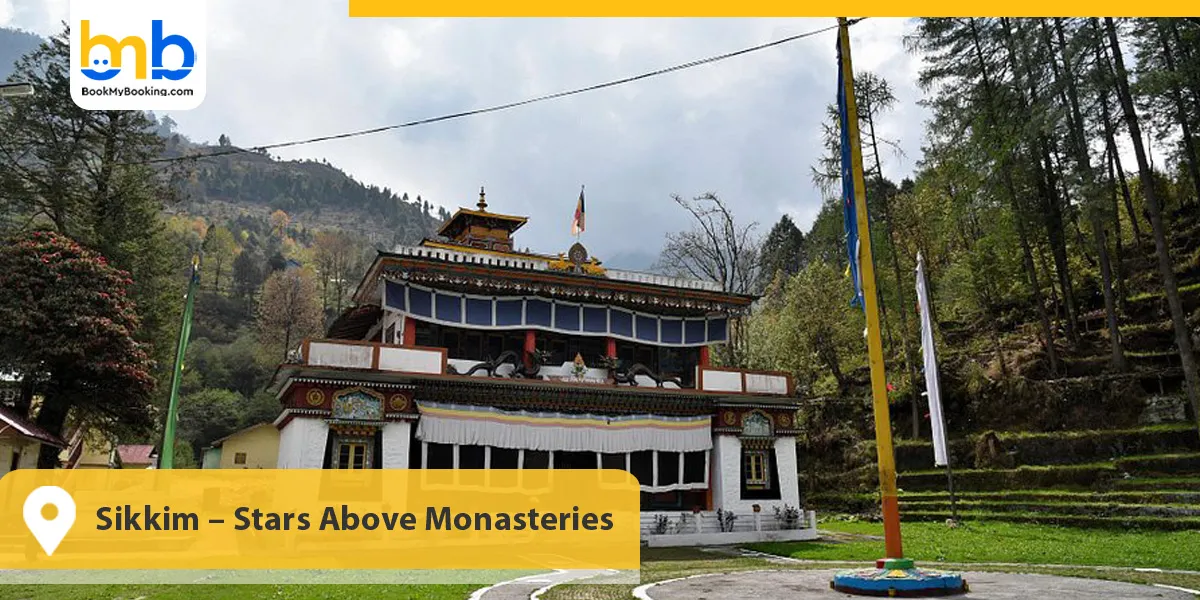
The beauty of Sikkim lies not only in its snow-capped peaks and colourful prayer flags, but also in the way the landscape changes at night. The sky shows stunning stars surrounded by mountains as you pass through locations like Pelling or Lachung. The stillness of monasteries adds to the aura, making it feel like you're in a natural observatory blessed by silence. This is where you can experience the finest meteor shower viewing in India, with crisp air and minimal glow making each streak unforgettable. Sikkim is encouraging visitors to view the night sky as part of a protected heritage by partnering with sustainable astro-tourism programs, which go beyond simple stargazing. This implies that you are contributing to preserving stars for future generations when you gaze up here. It serves as a reminder that power and fragility may coexist in beauty, and your journey is a part of that greater whole.
- Best time to visit: October to December for sharp winter clarity.
- Extra Tip: Pair stargazing with a monastery stay for peace and perspective.
Rajasthan – Luxury Desert Stargazing
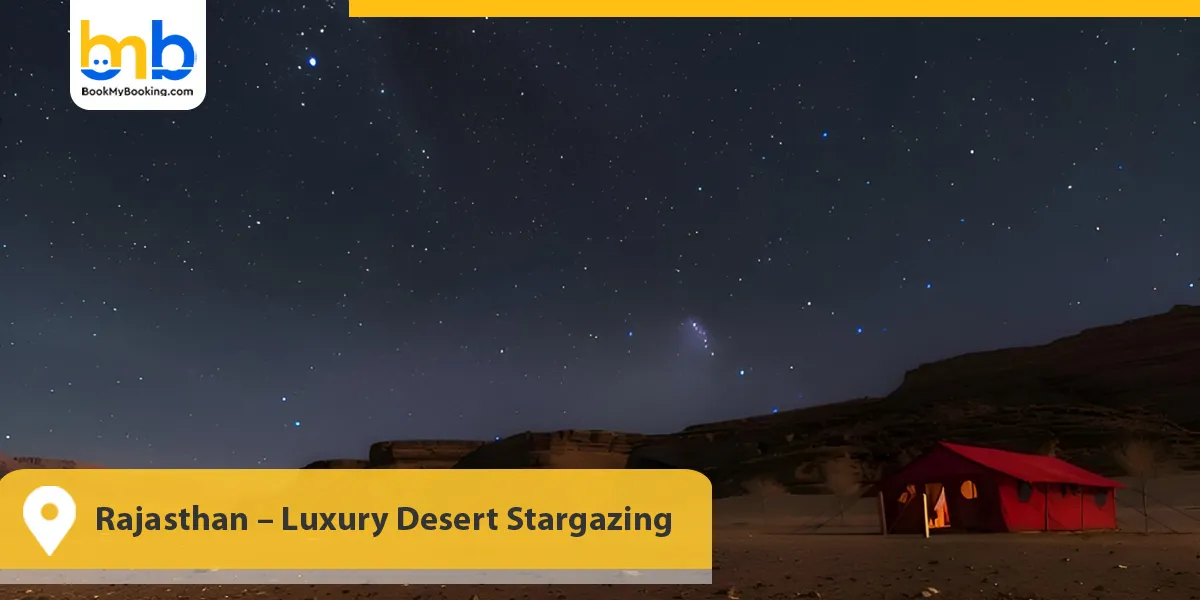
The opulent desert camps of Rajasthan are the ideal destination for an extravagant night spent beneath the stars. Imagine candlelight dinners, soft pillows, and the unending solitude of the dunes all around you. You feel rooted and limitless when the lanterns go out and the desert shows a constellation-studded sky. These encounters are among the many upscale stargazing resorts that India is now offering, where every element, from expertly prepared meals to escorted telescope viewing, is intended to make your evening one to remember. There are now many camps around Jaisalmer and Jodhpur that blend heavenly charm with royal hospitality, showing that comfort does not have to be sacrificed to explore the cosmos. This harmony between luxury and discovery makes Rajasthan one of India's top astrotourism locations for families or couples. Here, the desert teaches you that sometimes, luxury is simply lying back and letting the universe perform its grandest show.
- Best time to visit: November to February for crisp desert nights.
- Extra Tip: Book on a no-moon night for the clearest star views.
Maharashtra's Deccan Plateau – A Stargazer's Secret
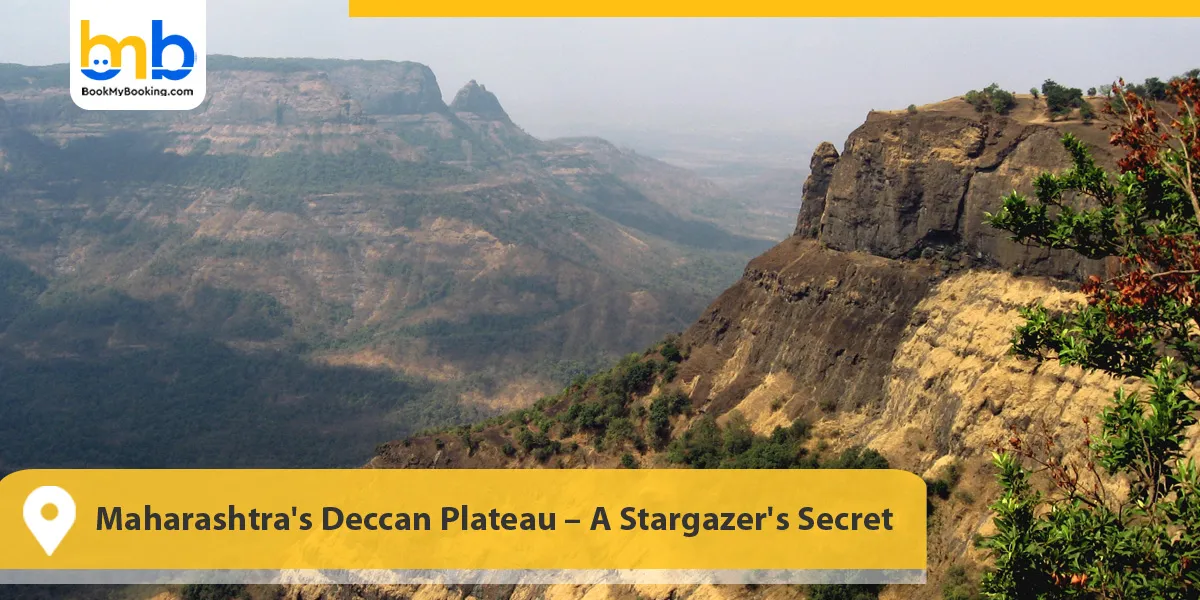
The rolling plateaus of Maharashtra hide one of India's most underrated astro-tourism gems. Just a few hours from bustling Mumbai or Pune, you'll find open lands where the night is dark, quiet, and surprisingly rich with stars. Younger travellers interested in space are increasingly drawn to camps between Bhandardara and Dehene because of the storytelling and telescope sessions that bring the sky to life. These are ideal for Gen Z astro-tourism experiences, which combine cosmic education with a weekend retreat. Additionally, some organisations here offer SPACE India astronomy tours, which help you identify planets and constellations without any prior expertise. You don't have to go far to lose yourself in the universe, which makes it so beautiful. For anyone who believes stargazing should be part of everyday life, Maharashtra's plateaus prove that magic sometimes hides beyond the city lights.
- Best time to visit: November to February for cool, cloud-free nights.
- Extra Tip: Carry a picnic blanket—lying on open ground is the best way to see it all.
Pangong Lake, Ladakh – Stars Over Still Waters
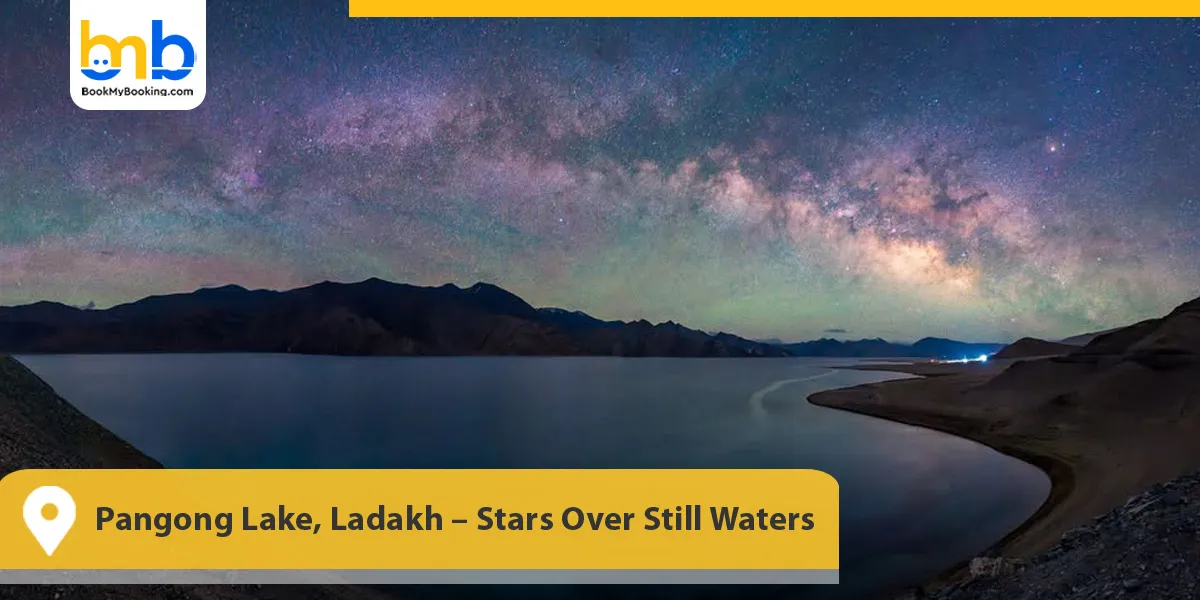
By day, Pangong Lake is famous for its shifting shades of blue, but at night, it reveals an entirely different personality. As darkness falls, the lake becomes a giant mirror, catching the glow of stars and creating the illusion of a galaxy both above and below. Sitting by its edge, wrapped in a blanket, you feel like time has slowed, leaving only you and the universe. Few places allow such an intimate experience with silence and space. The clear skies here make it ideal for Milky Way viewing in India, especially if you enjoy long-exposure photography. In recent years, it has also become one of the most photographed dark sky reserves that Indian travellers dream of, blending raw Himalayan beauty with cosmic wonder. When you finally head back to your tent, you carry the feeling of having touched infinity itself.
- Best time to visit: May to September when the lake is accessible.
- Extra Tip: Stay overnight—day trips don't capture the lake's nighttime magic.
Shillong, Meghalaya – Skies of the Northeast
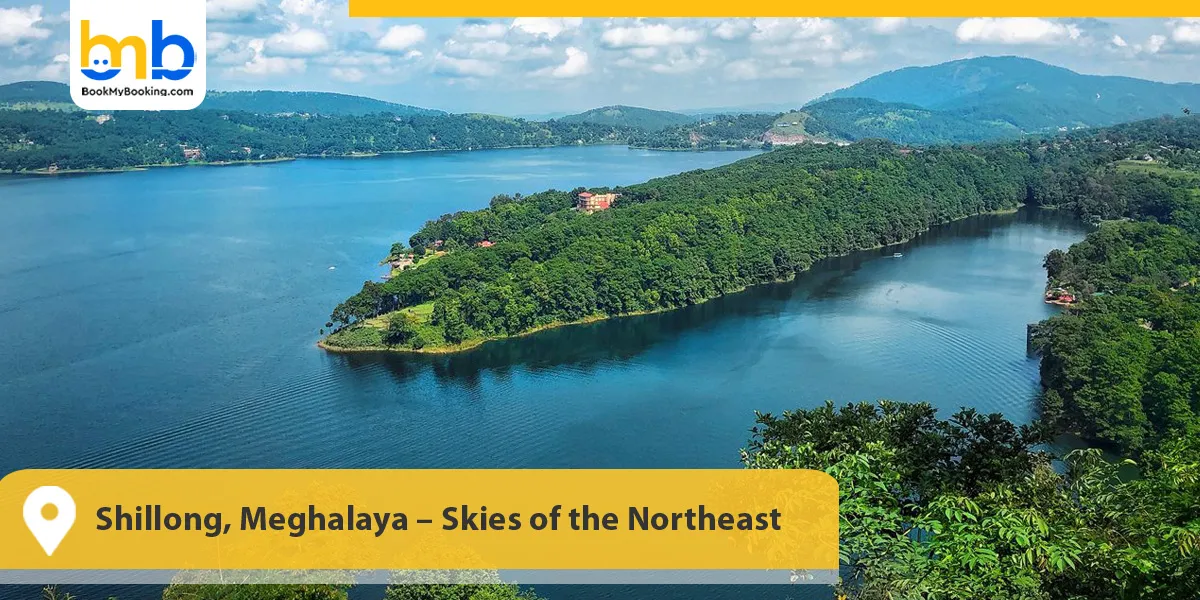
Shillong, often called the “Scotland of the East” for its music, waterfalls, and rolling hills, reveals another side once you step beyond the town. Here, the sky stretches wide like a grand stage, with stars glittering against velvety hills. Thanks to clear air and minimal light pollution, the night feels alive with cosmic brilliance. In the villages around Shillong, evenings often bring people together under the open sky, where stories blend tradition with wonder for the stars. This makes the region one of India’s most unexpected stargazing destinations, especially for travellers exploring the Northeast. Sustainable astro-tourism is also taking root, with eco-friendly camps offering a chance to enjoy the skies while helping preserve them for future generations. The mix of culture, nature, and celestial beauty creates an experience that feels both grounded and limitless. And if you’ve only ever linked Meghalaya with rain, its crisp winter skies will completely transform your view.
- Best time to visit: November to February for the clearest nights.
- Extra Tip: Head out to Umiam Lake—stars reflecting on the water are breathtaking.
Mount Abu, Rajasthan – Cosmic Retreat in the Aravallis
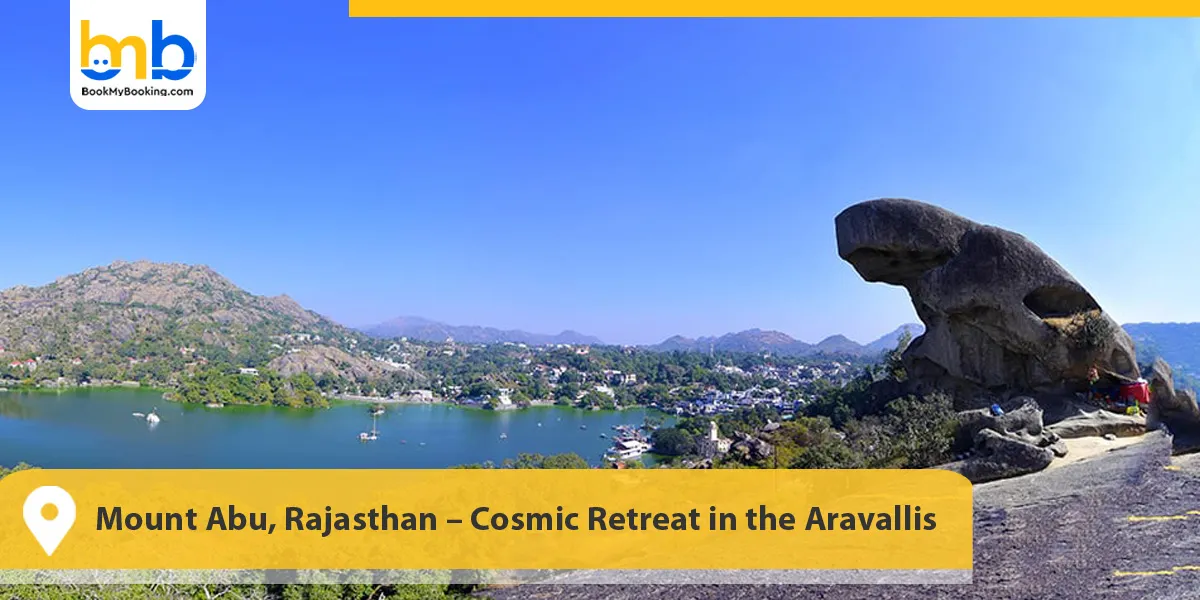
Perched in the Aravalli ranges, Mount Abu is often visited for its cool climate and temples, but its clear night skies are equally captivating. Away from the bustle of towns, the stars seem closer, casting a soft glow over the hills. Spend a night at one of the stargazing camps India has introduced here, and you'll find evenings filled with telescopes, guided tours, and a sense of community among fellow dreamers. Mount Abu is also ideal if you're interested in astrophotography tours in India, as the plateau offers wide, open horizons perfect for framing the galaxy. With its mix of accessibility and altitude, it offers one of the most convenient astro-tourism destinations in India, especially for those travelling from Gujarat or Rajasthan. By the end of your stay, you'll leave not just refreshed, but reconnected—with nature, silence, and the infinite sky.
- Best time to visit: October to March for clear, pleasant nights.
- Extra Tip: Stay near Guru Shikhar—the highest peak gives you the widest views.
Explore India's Night Sky Today!
From Himalayan lakes and desert dunes to tropical islands and ancient observatories, India is fast emerging as a global hub for celestial journeys. These astrotourism places in India are about slowing down, gazing up, and recognising your role in something much bigger than science or photography. Each encounter leaves you with memories that go far beyond what can be captured on camera, whether you are captivated by the traditional charm of storytelling under tribal skies or the clarity of dark sky reserves that India has fostered. More tourists like you are realising that the best show on Earth is above it as astro-tourism in India 2025 picks up steam. Thus, bring a blanket, escape the city light, and allow the stars to serve as a reminder of awe, eternity, and everlasting beauty. You only have to glance up to see that the universe has always existed.