

Known as the "Land of Five Rivers," Punjab has seen some of the most significant events in Indian history and served as a breeding ground for civilisation. One of the first centres of human history, its fertile plains attracted residents as early as the Indus Valley Civilisation. Over centuries, its position as a frontier land turned it into a battlefield for conquerors from Persian and Afghan invaders to Alexander the Great and later the Mughal emperors; each wave of invasion left behind imprints of power and culture, shaping the region's identity.
The rise of Sikhism in the 15th century transformed Punjab into a land of spiritual strength and resistance. The founding of the Khalsa under Guru Gobind Singh marked the beginning of a period of valour that resisted persecution. Later, under the leadership of Maharaja Ranjit Singh, harmony, wealth, and architectural wonders were created, and they remain admired today. But there are remnants of the colonial past, chief among them being the tragedy at Jallianwala Bagh.
Punjab persevered through all of the hardships, combining tenacity and loyalty. Its palaces, gurdwaras, forts, and memorials remind us of a time when conflict, religion, and culture merged to create a legacy that still motivates people today.
Join us as we explore the must-visit landmarks of Punjab!
Golden Temple, Amritsar
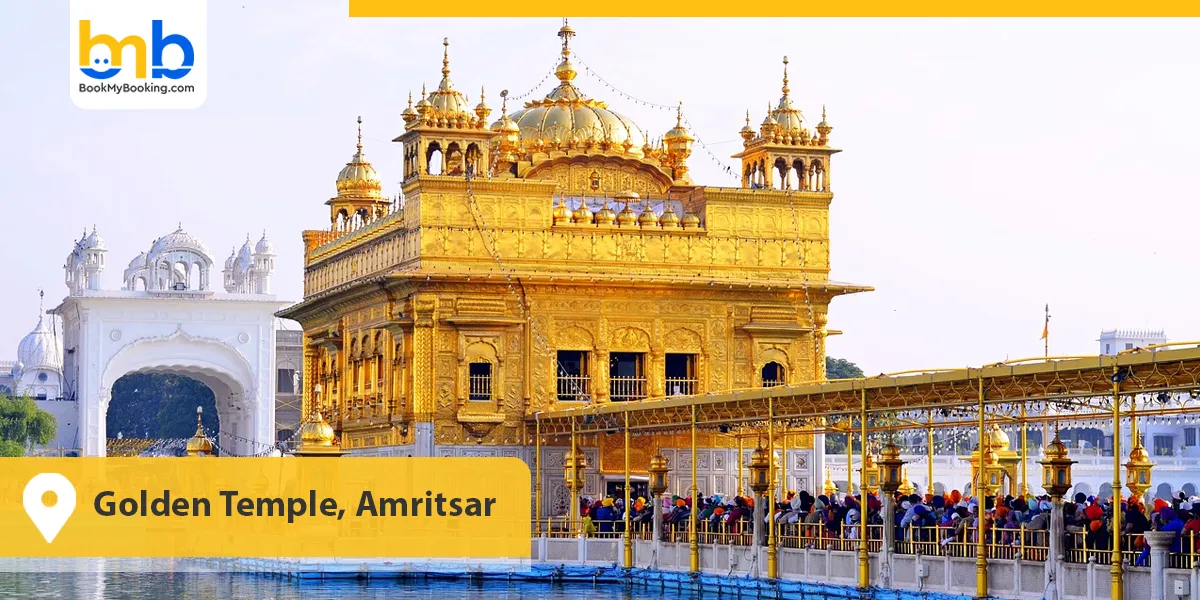
If there is one place that defines the soul of Punjab, it is the Golden Temple in Amritsar. The Golden Temple is the most famous landmark in Punjab and a shining example of spiritual equality, as people from all walks of life come together to share meals and prayers. When you visit here, you will experience how Punjab's heritage tourism brings centuries of devotion and tradition to life. This holy wonder is a living testament to faith, resilience, and camaraderie. Your heart is calmed as you cross the glistening causeway and see the temple's gold-plated dome gleaming in the Amrit Sarovar. Hymns reverberate quietly, the aromas of langar meals permeate the air, and you immediately feel like you're a part of something greater than yourself. The mood here seems ageless.
This revered sanctuary has been a symbol of bravery for many generations, making it one of Punjab's most significant destinations for those seeking inspiration and serenity. Stories of sacrifice, community, and the unshakable Sikh spirit can be found around every corner.
- Did you know?
Hazrat Mian Mir, a Muslim saint, laid the stone for the Golden Temple in 1581, demonstrating the inclusive principles of Sikhism and making it one of Punjab's most impressive holy sites.
Jallianwala Bagh, Amritsar
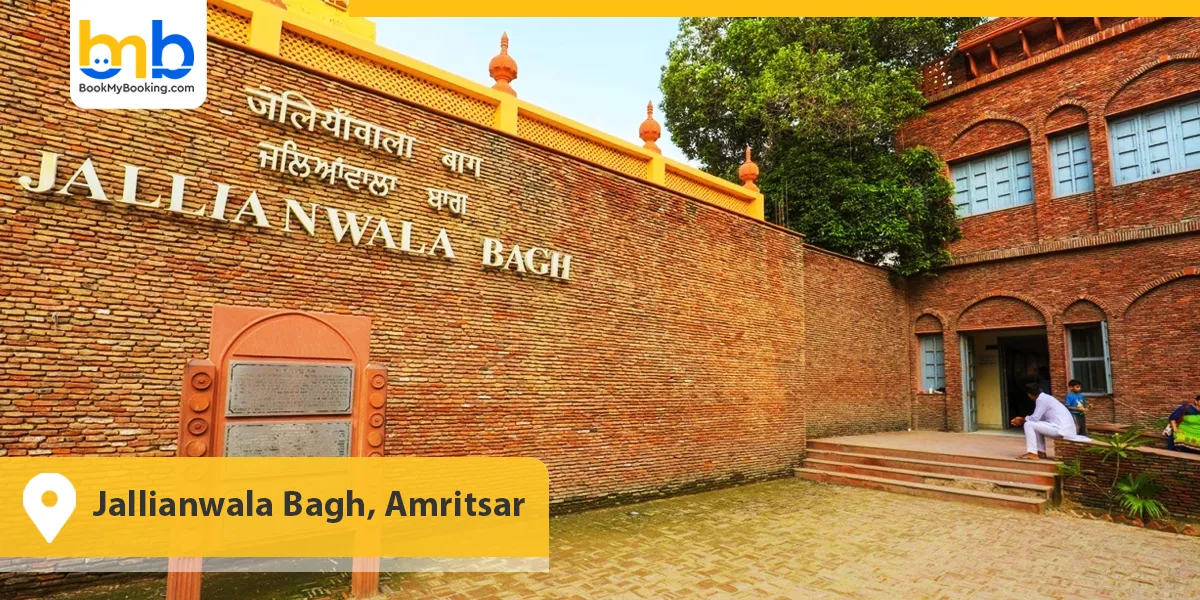
Right beside the Golden Temple lies Jallianwala Bagh, a memorial that holds a sombre yet unshakable place in India's history. Walking through the narrow passage into the garden, you can almost feel the silence of April 13, 1919, when hundreds of innocent lives were lost during the Amritsar massacre. Today, bullet marks still scar the walls, while the eternal flame at the memorial burns to remind you of the cost of freedom. Visiting this place is an emotional experience, as you're not just looking at an Amritsar massacre site; you're stepping into a chapter of resistance and resilience. The story of Jallianwala Bagh is deeply tied to the spirit of the Punjab historical places list, where sacrifice and struggle played a vital role in shaping India's independence.
Jallianwala Bagh offers an experience that represents grandeur and serves as a poignant reminder. This site draws you closer to the grit and spirit that defines Punjab's role in the national movement.
- Did you know?
The well inside Jallianwala Bagh, where many people jumped in desperation to escape gunfire, remains preserved. It is one of the most poignant heritage sites in Punjab, India, silently telling its tragic story.
Qila Mubarak Fort, Patiala
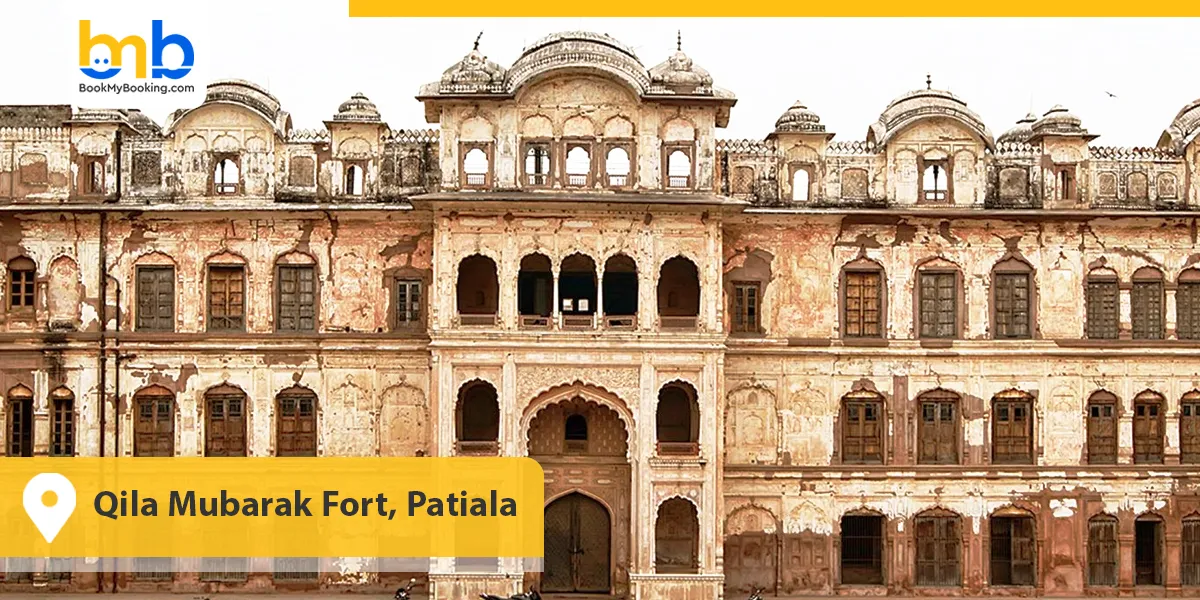
Qila Mubarak in Patiala is one of those rare architectural gems that lets you step straight into the pages of royal history. Once the grand residence of the Patiala royals, the fort stands as a proud example of the royal architecture for which Punjab is known. It exhibits strength and artistic ability with its large courtyards, intricately carved arches, and robust entrances. You can almost imagine the courtly gatherings and royal processions that once filled these spaces with life as you enter. For history lovers, Qila Mubarak holds a prime spot among the top monuments of Punjab, representing centuries of legacy that continue to fascinate modern travellers.
This fort is a testament to the rulers who shaped culture and politics in the region. As one of the most must-visit places in Punjab, it not only highlights grandeur but also offers a glimpse into the shifting eras of power. Qila Mubarak remains a true jewel for anyone exploring Punjab heritage tourism in depth.
- Did you know?
Qila Mubarak once housed the fabled Nanakshahi bricks, which are considered among the smallest bricks used in construction across India. This unique detail makes it a prime example of historic forts in Punjab that blend artistry with innovation.
Rauza Sharif, Sirhind
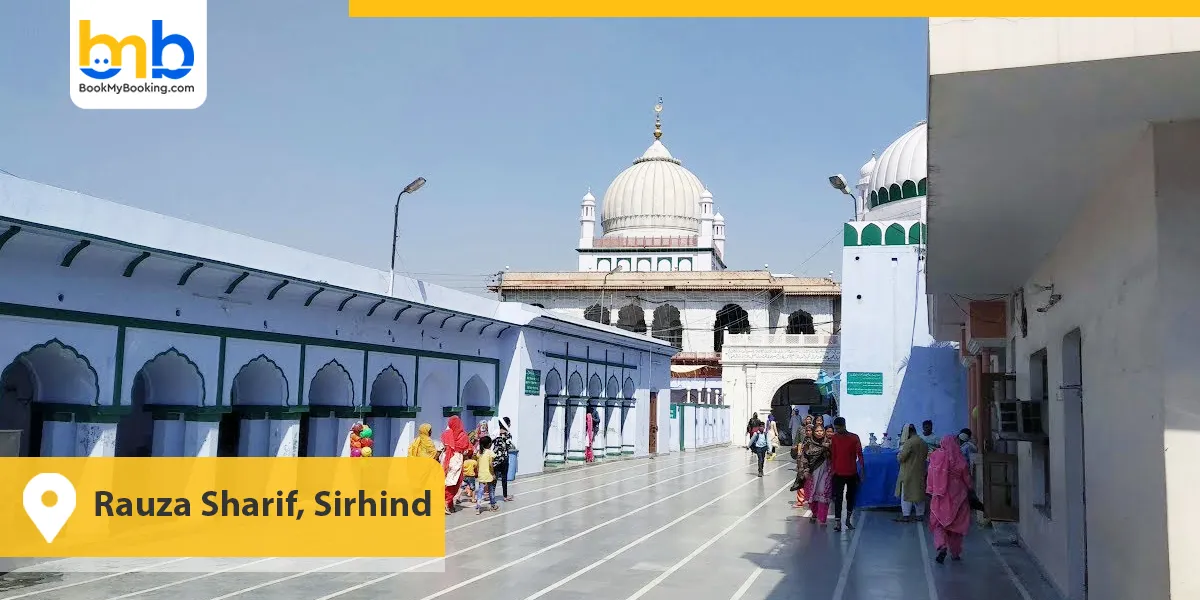
If you're seeking something beyond the usual Punjab historical tours, Rauza Sharif in Sirhind is a captivating offbeat heritage site that Punjab offers. This Mughal-era mausoleum is the resting place of Sheikh Ahmad Faruqi Sirhindi, a revered Sufi saint. In contrast to the opulence of forts and palaces, its pure white domes and peaceful courtyards foster a sense of calm and introspection. Rauza Sharif allows visitors to Punjab, India's heritage sites, to engage with the mystical and spiritual aspects of the area's past.
The place attracts visitors from various backgrounds and is a religious and cultural icon. Its architecture is fascinating due to its fusion of Mughal and Persian elements. Although not as well-known as Punjab's famous landmarks, it enhances your trip by illuminating a different aspect of the area's character.
- Did you know?
Rauza Sharif is considered one of India's most sacred Sufi shrines, and Mughal emperor Jahangir once paid homage here. It remains one of the quiet cultural experiences in Punjab.
Moti Bagh Palace, Patiala
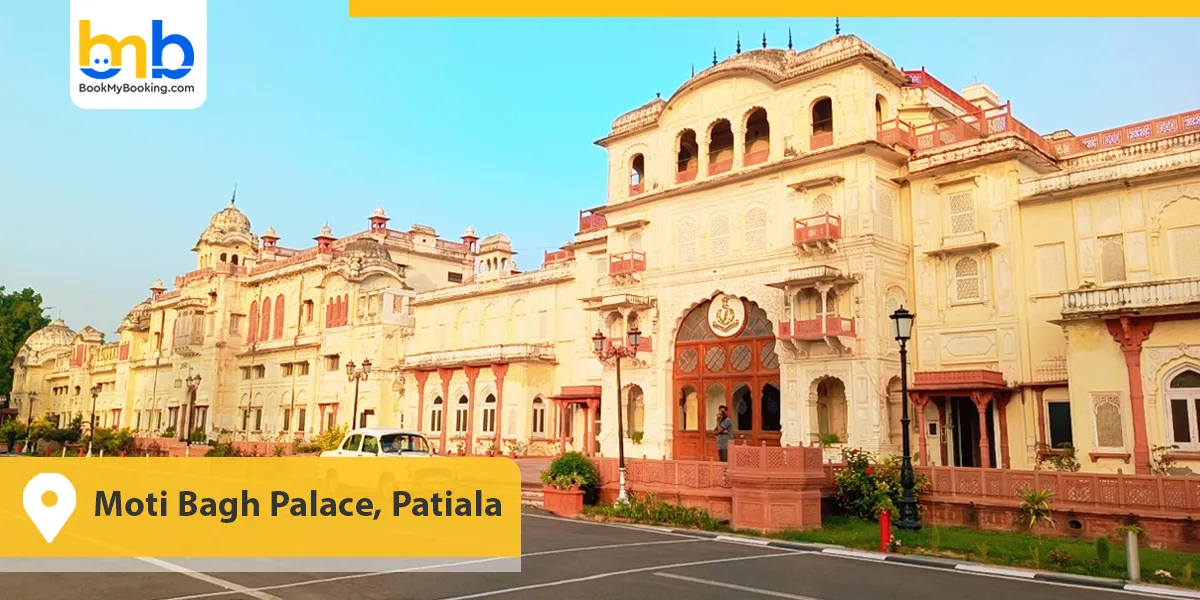
Maharaja Bhupinder Singh built the Moti Bagh Palace in Patiala in the 1800s, one of Punjab's most lavish royal residences. Its vast courtyards, arches, and ornate balconies perfectly convey the grandeur of Punjab's well-known colonial-era sites. The palace's magnificent blend of Mughal and European design elements helps it to maintain its imperial grandeur. You can just picture the royal processions and cultural events that once occupied this beautiful estate as you stroll through the lush grounds and elaborate buildings.
This palace remains a symbol of elegance, power, and artistic vision, making it one of the famous landmarks in Punjab that bridges the princely and colonial pasts. Today, parts of it serve as the National Institute of Sports, keeping the legacy alive through a different kind of discipline that celebrates strength and heritage.
- Did you know?
The Moti Bagh Palace once inspired the design of the Rashtrapati Bhavan in Delhi. Its architectural blueprint influenced British architects during the Raj, making it one of Punjab's most iconic colonial architectures.
Partition Museum, Amritsar
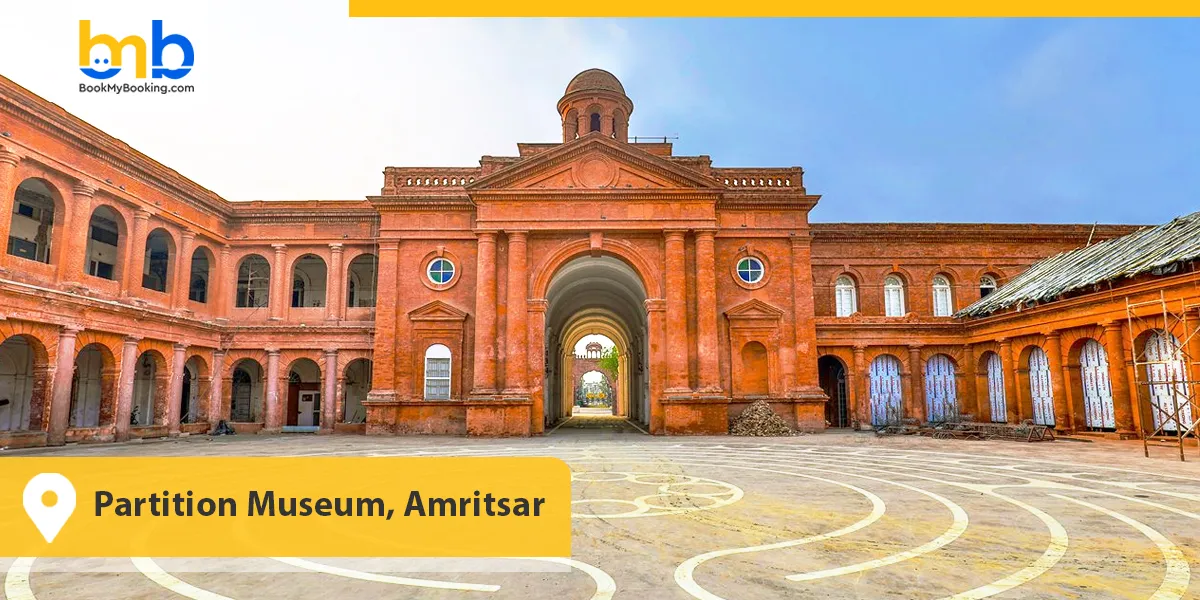
The Partition Museum in Amritsar is one of Punjab's most moving and powerful heritage tourism spaces. It’s a collection of human stories. Dedicated entirely to the Partition of 1947, it preserves letters, photographs, personal belongings, and oral histories that give voice to one of the largest migrations in human history. Each gallery is filled with emotion like sorrow, hope, and resilience that helps you connect deeply with what millions endured during that time.
The museum is located near Town Hall in Amritsar, right at the heart of the city’s heritage corridor, making it one of the must-visit places in Punjab for anyone who wishes to understand its layered past. Walking through its exhibits is humbling and enlightening, a reminder of how faith and courage helped rebuild lives across borders.
- Did you know?
The Partition Museum is the first in the world dedicated solely to the Partition of India. It has recorded more than 7,000 personal stories and remains one of the best museums in Punjab for its emotional and historical depth.
Jagatjit Palace, Kapurthala
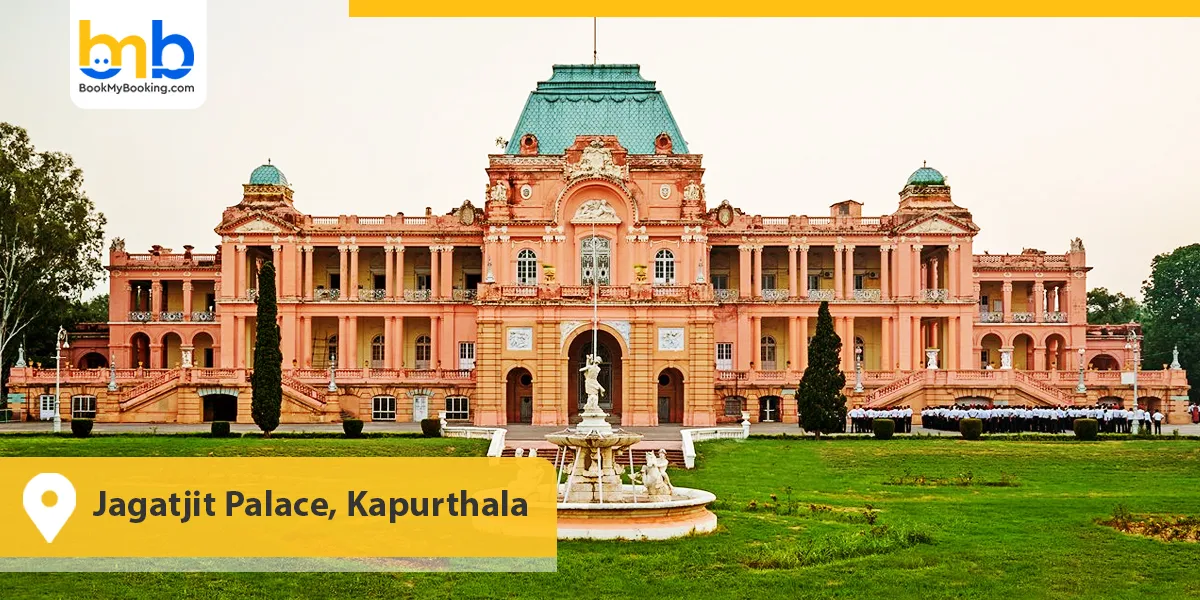
The Jagatjit Palace in Kapurthala is one of the few locations in India that successfully combines European grandeur with Indian monarchy. Punjab is proud to have preserved this magnificent example of royal architecture, which was constructed in the early 20th century by Maharaja Jagatjit Singh. A ruler's interest in art, culture, and the world outside his kingdom is reflected in its marble halls, stained-glass windows, and graceful domes, which were inspired by the Palace of Versailles in France. Every area reveals a tale of opulence and artistic passion that characterized the royal heritage of Kapurthala.
The palace is now Sainik School, but its majesty has not diminished. Among all historic sites in Punjab, this one stands out for its fusion of East and West, a symbol of how global influences found a home in the heart of Punjab. The palace grounds still echo with the grace and sophistication of a forgotten era.
- Did you know?
Maharaja Jagatjit Singh was a world traveller fluent in several European languages. His palace’s interior décor was designed by French architects, making it one of the most exquisite colonial-era landmarks in Punjab ever built
Durgiana Temple, Amritsar
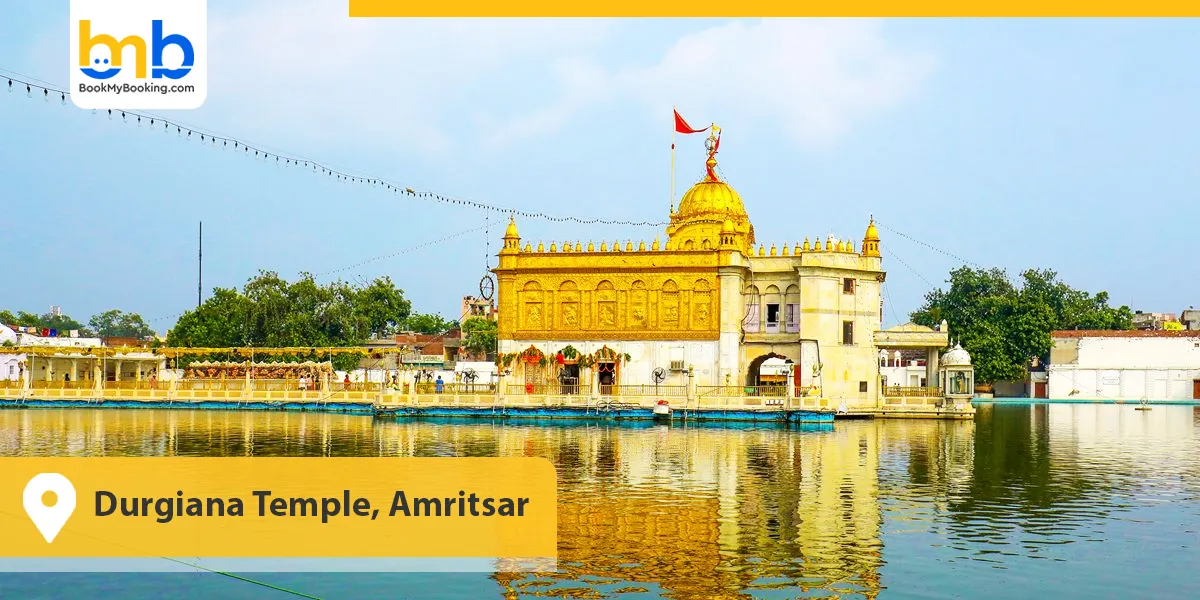
Set beside a peaceful lake and gleaming with golden elegance, the Durgiana Temple in Amritsar mirrors the architectural brilliance of the Golden Temple but is dedicated to Goddess Durga. Built in the early 20th century by Guru Harsai Mal Kapoor, this temple is a fine blend of spirituality and artistry. The shining dome, intricate carvings, and the reflection of its golden façade on the water make it one of Punjab's most captivating religious landmarks.
Inside, the temple houses Durga, Lakshmi, and Vishnu idols, symbolising strength, prosperity, and preservation. The atmosphere here is deeply spiritual, yet soothing, inviting you to sit quietly by the sarovar and soak in the calm that contrasts with the city’s usual buzz. For travellers exploring heritage tourism in Punjab, the Durgiana Temple offers a glimpse into the region’s inclusive faith traditions where devotion transcends religion and unites all under one sky.
- Did you know?
The Durgiana Temple is often called the Laxmi Narayan Temple and was inaugurated by Mahatma Gandhi in 1921.
Nurmahal Serai, Jalandhar
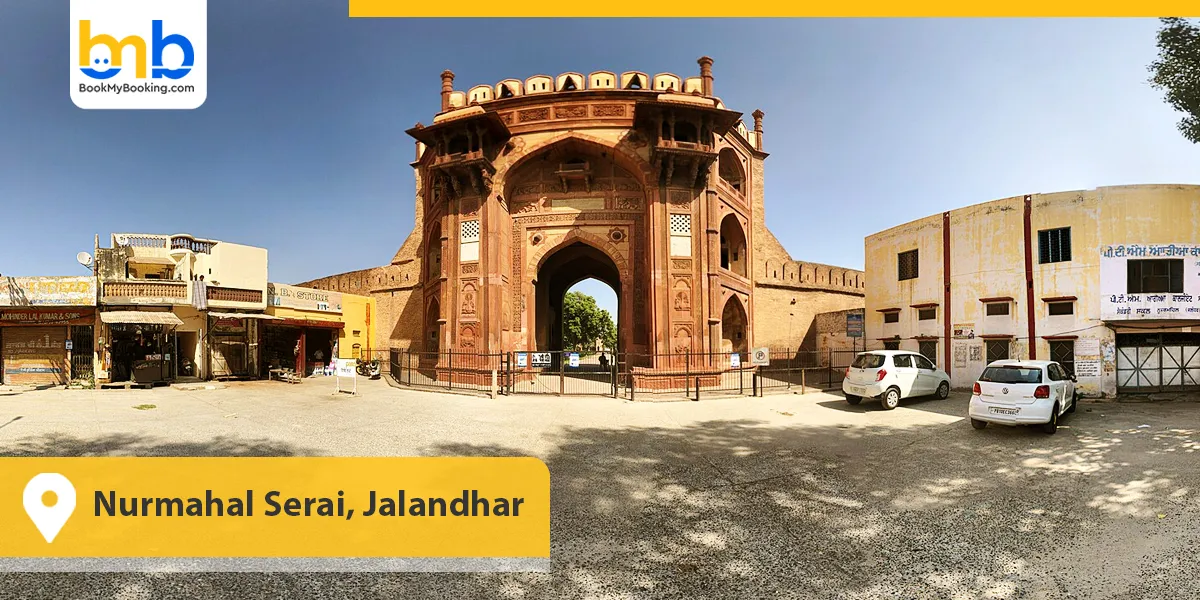
The Nurmahal Serai in Jalandhar is a Mughal architectural wonder that is obscured from the typical tourist itineraries and merits much greater attention. It was constructed in the 17th century under Emperor Jahangir as a memorial to his adored wife, Noor Jahan. The serai, one of Punjab's most historically significant Mughal-era structures, functioned as a royal lodging for tourists.
The skill of the Mughal artisans who once worked here is evident in the elaborate brickwork, carved arches, and imposing gateways. You can really hear the footsteps of travelers from bygone eras as you stroll through its empty hallways in which merchants, warriors, and aristocrats take a break along the historic trade routes. For lovers of history and architecture, heritage tourism in Punjab feels incomplete without this hidden gem. It’s a place that connects you to a quieter, forgotten side of Punjab’s royal past.
- Did you know?
The Nurmahal Serai once formed part of the imperial road connecting Delhi to Lahore, known as the Grand Trunk Road, making it one of the most crucial rest stops of its time.
Sheesh Mahal, Patiala
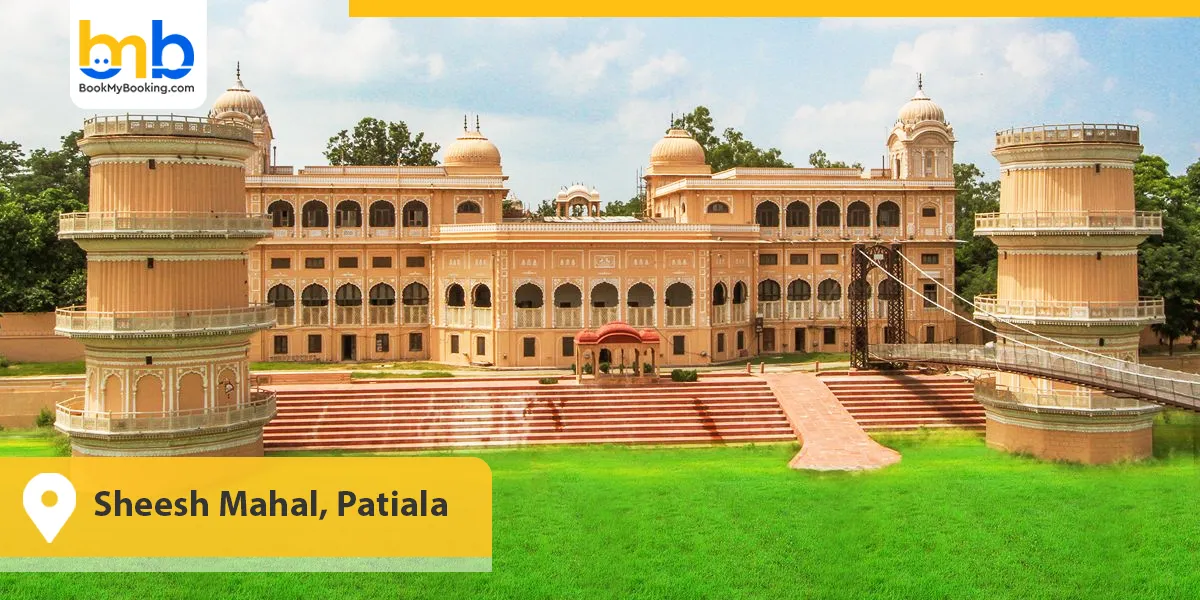
The Sheesh Mahal, or “Palace of Mirrors,” is a dazzling testimony to royal elegance in Patiala. Constructed during the 19th-century reign of Maharaja Narinder Singh, this palace is embellished with beautiful murals, frescoes, and mirror work that perfectly portray the elegance of the Patiala nobility. An almost dreamlike atmosphere is created when sunlight streams through the glass panels, causing the reflections to dance like jewels.
The Sheesh Mahal, located adjacent to the historic Moti Bagh Palace, features a museum showcasing rare sculptures, paintings, and royal manuscripts. One of Punjab's most impressive landmarks, it combines history and art. Entering is like entering a bygone era where pride, artistry, and strength are evident everywhere. If you’re drawn to Punjab's cultural landmarks, this palace is a must-see for its sheer grandeur of design and the stories it holds within its mirrored walls.
- Did you know?
The Sheesh Mahal features a suspended bridge called Lakshman Jhula, which connects it to the main palace, inspired by the one over the River Ganges in Rishikesh.
Conclusion
The beauty of Punjab lives in these famous landmarks. Yet, the list doesn’t stop at ten alone. Places like Phillaur Fort, Rauza Sharif in Sirhind, or the quiet streets of Kapurthala carry a charm that makes you pause and connect with the past in a more personal way. As you move from golden shrines to royal forts and soaring towers, you see that history here isn’t distant, it breathes through every wall, every courtyard, and every melody that lingers in the air.
So when planning your journey, give yourself the time to sit, observe, and reflect at each site. Walk slowly, look closer, and let Punjab heritage tourism reveal its stories at its own pace. What you’ll take back isn’t just photographs, but memories and a lasting connection to the spirit of Punjab, one that stays with you long after you leave.