

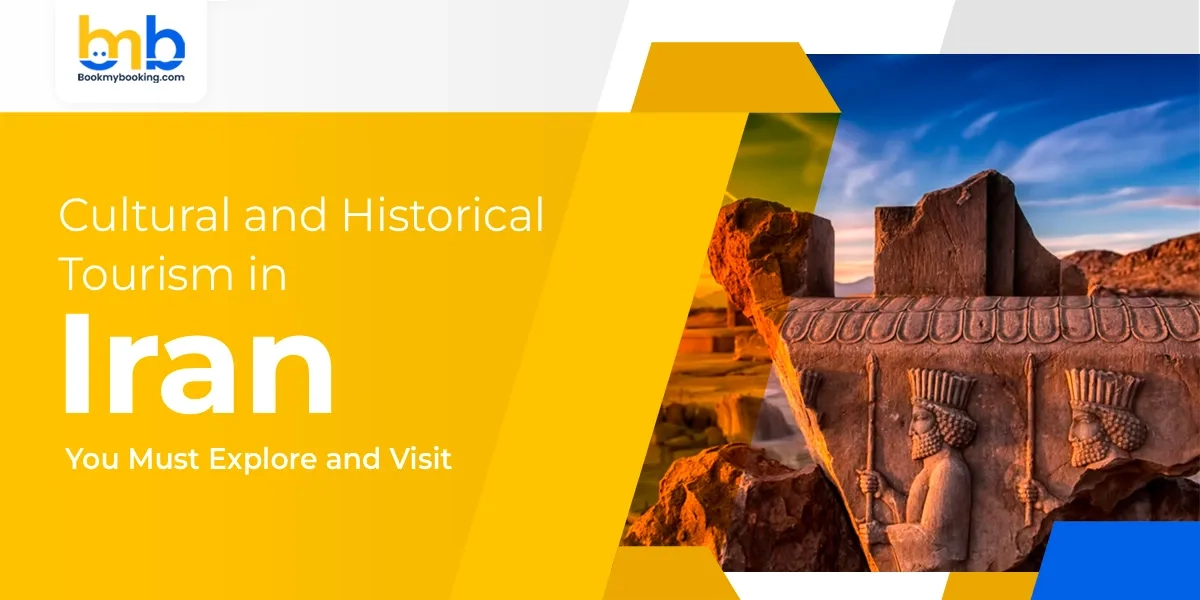
Iran is one of the world's oldest civilizations, boasting over 2,500 years of recorded history and an extraordinary cultural legacy. From magnificent Persian palaces and ancient cities to breathtaking mosques and UNESCO-listed landmarks, the country offers an unparalleled journey through history. For travelers seeking authentic experiences, cultural tourism in Iran provides an opportunity to explore the birthplace of one of humanity's greatest civilizations.
Home to numerous historical places in Iran, vibrant bazaars, traditional villages, archaeological wonders, and magnificent Persian gardens, Iran offers much more than just sightseeing. Every destination reflects centuries of artistic excellence, architectural brilliance, and cultural traditions that continue to shape the nation today.
This comprehensive Iran cultural travel guide introduces the country's most remarkable Iran heritage sites, ancient cities, and UNESCO-recognized monuments that deserve a place on every travel itinerary.
Why Choose Cultural Tourism in Iran?
Iran's rich history stretches from the mighty Achaemenid Empire to the Safavid dynasty, leaving behind extraordinary monuments that attract historians, photographers, architecture enthusiasts, and curious travelers alike.
Choosing cultural tourism in Iran allows visitors to experience:
- Ancient Persian civilization
- UNESCO World Heritage Sites
- Traditional Persian architecture
- Historic mosques and palaces
- Bustling centuries-old bazaars
- Persian gardens
- Zoroastrian heritage
- Local arts and handicrafts
- Authentic Persian cuisine
- Warm Iranian hospitality
Every region of Iran tells a unique story, making it one of the richest cultural destinations in the Middle East.
The Rich Legacy of Persian Civilization
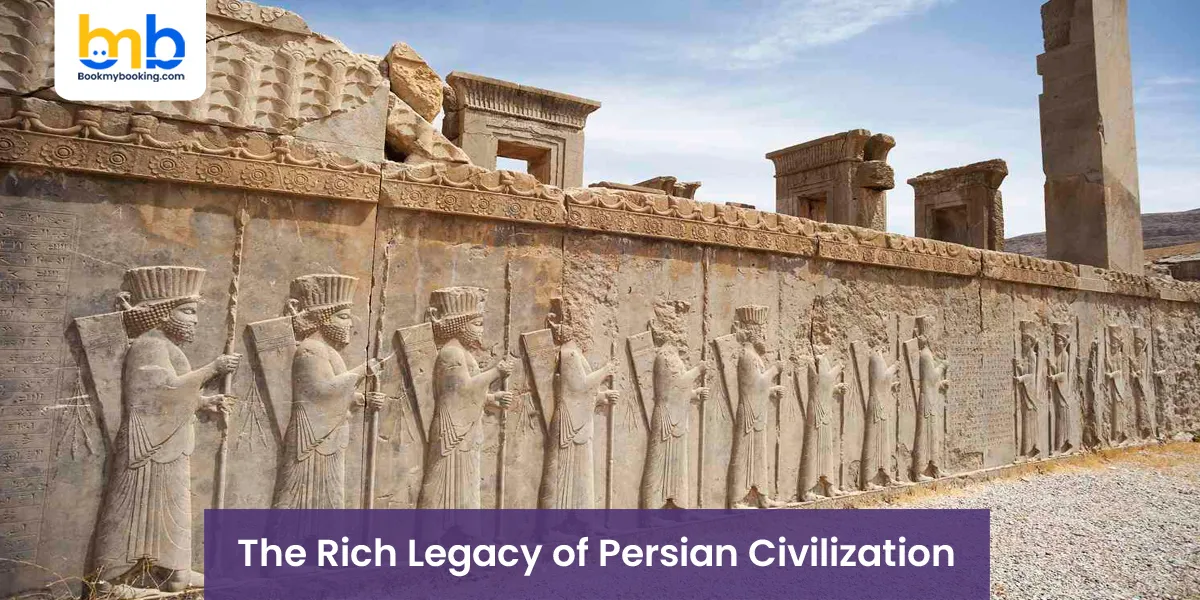
Persia was once among the world's largest and most influential empires. The Achaemenid, Parthian, and Sassanian dynasties established remarkable cities, monuments, roads, and cultural traditions that influenced civilisations across Asia, Europe, and Africa. Today, many of these remarkable landmarks survive as iconic historical places in Iran, offering visitors an opportunity to walk through living history. Ancient Persian engineering, architecture, literature, and art continue to fascinate travellers from around the globe.
1. Persepolis – The Crown Jewel of Ancient Persia
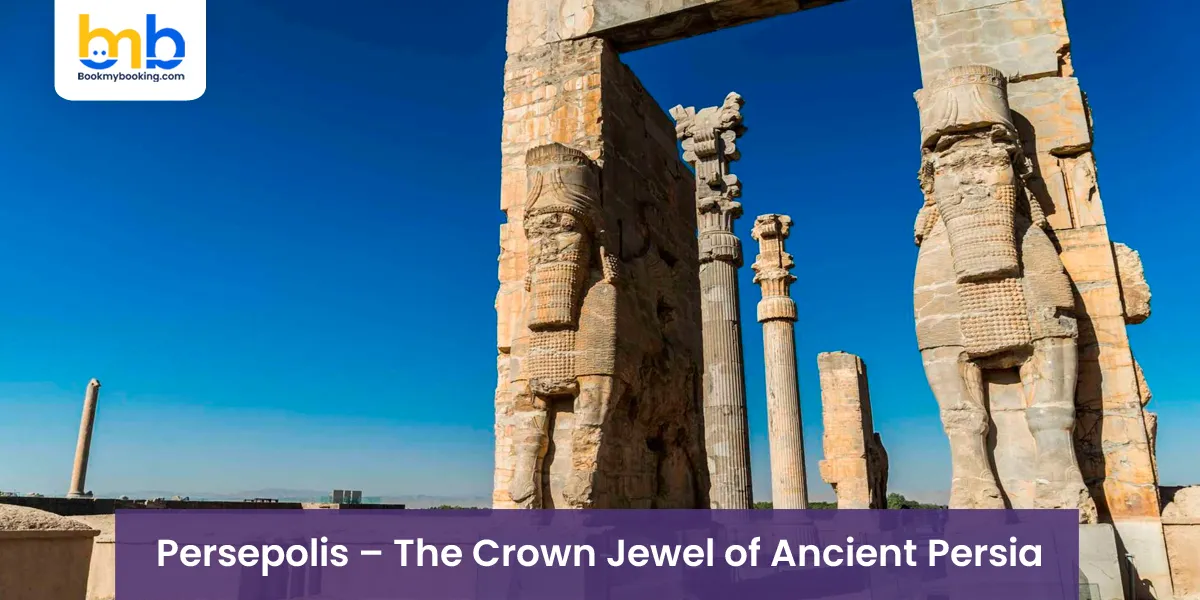
Among all Iranian heritage sites, Persepolis remains the country's most famous archaeological treasure. Built in the 6th century BCE by Darius the Great, Persepolis served as the ceremonial capital of the Achaemenid Empire. Today, it is one of the most important UNESCO sites Iran proudly preserves.
Major Attractions
- Gate of All Nations- The Gate of All Nations served as the grand ceremonial entrance to Persepolis, welcoming delegates from across the Persian Empire. Built by Xerxes I, it features massive stone columns and guardian sculptures.
- Apadana Palace- The Apadana Palace was Persepolis' magnificent audience hall where Persian kings received foreign dignitaries. Its impressive columns, elaborate reliefs, and grand architecture symbolized the empire's wealth, authority, and cultural diversity.
- Hall of Hundred Columns- The Hall of Hundred Columns, also known as the Throne Hall, was one of Persepolis' largest buildings. Supported by one hundred towering columns, it hosted royal ceremonies, receptions, and important administrative gatherings.
- Palace of Xerxes- The Palace of Xerxes, or Hadish Palace, served as the private residence of King Xerxes I. Its elegant design, detailed stone carvings, and elevated location reflected royal luxury and architectural excellence.
- Royal Treasury-The Royal Treasury housed the Persian Empire's immense wealth, including gold, silver, tribute, valuable artifacts, and official records. It played a crucial role in managing the empire's financial resources.
- Monumental Staircases- The monumental staircases of Persepolis are renowned for their gentle design and beautifully carved reliefs depicting royal guards, nobles, and representatives from different nations bringing tribute to the king.
- Intricate stone carvings- Persepolis is celebrated for its intricate stone carvings showcasing royal ceremonies, cultural traditions, military processions, and symbolic motifs. These remarkably preserved artworks highlight the artistic brilliance of ancient Persian craftsmen.
Every carving tells stories of royal ceremonies, diplomatic delegations, and the multicultural nature of the Persian Empire. History lovers consider Persepolis one of the finest historical places in Iran.
Why Visit Persepolis?
Visitors are amazed by:
- Massive stone columns
- Ancient inscriptions
- UNESCO recognition
- Persian royal architecture
- Historical significance
- Spectacular mountain backdrop
Photography enthusiasts often spend hours exploring its magnificent ruins.
2. Isfahan – The Living Museum of Persian Architecture
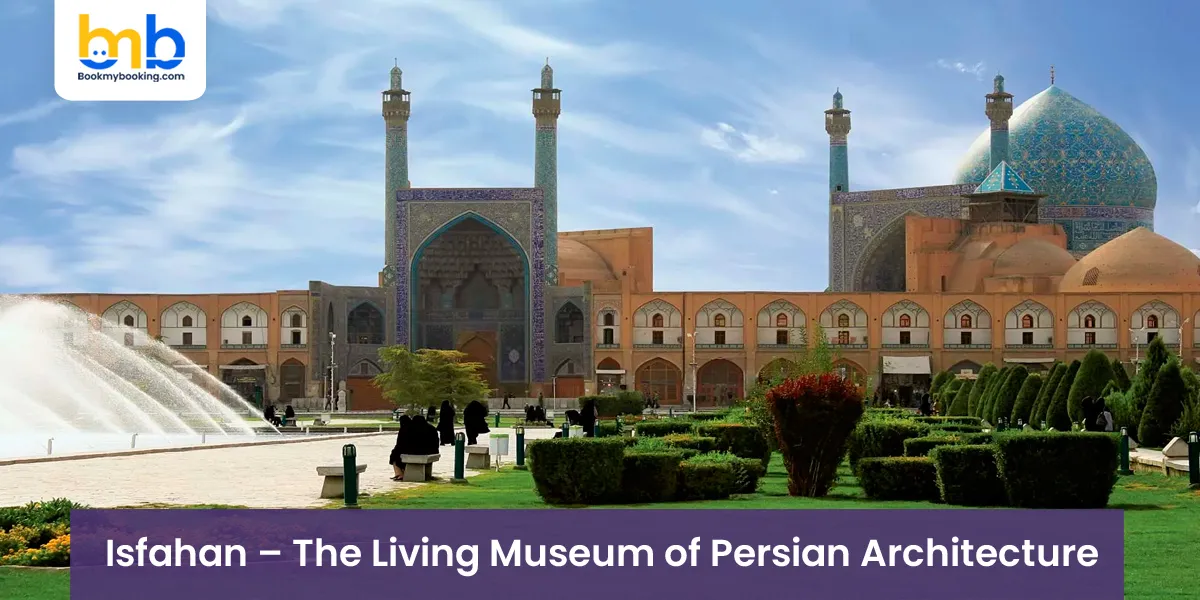
Known as "Half the World," Isfahan is one of the most celebrated ancient cities in Iran. The city flourished during the Safavid dynasty and remains a masterpiece of Islamic architecture. Every street showcases Persian craftsmanship through elegant domes, intricate mosaics, and grand public squares.
Top Cultural Attractions
Naqsh-e Jahan Square
This UNESCO-listed square is one of the largest public plazas in the world.
Surrounded by magnificent monuments, it represents the heart of Persian urban planning.
Shah Mosque
An architectural masterpiece famous for:
- Blue tile mosaics
- Massive dome
- Elegant calligraphy
- Intricate geometric patterns
Sheikh Lotfollah Mosque
Unlike traditional mosques, this structure was built exclusively for the royal family.
Its interior tilework is considered among the finest examples of Persian artistry.
Ali Qapu Palace
Once the royal residence, this palace offers panoramic views of Naqsh-e Jahan Square.
Why Isfahan Represents Cultural Tourism
Isfahan perfectly embodies cultural tourism in Iran because it combines:
- Persian history
- Islamic architecture
- Traditional markets
- Museums
- Historic bridges
- Handicraft workshops
Every corner reflects centuries of artistic excellence.
3. Shiraz – The Cultural Capital of Persia
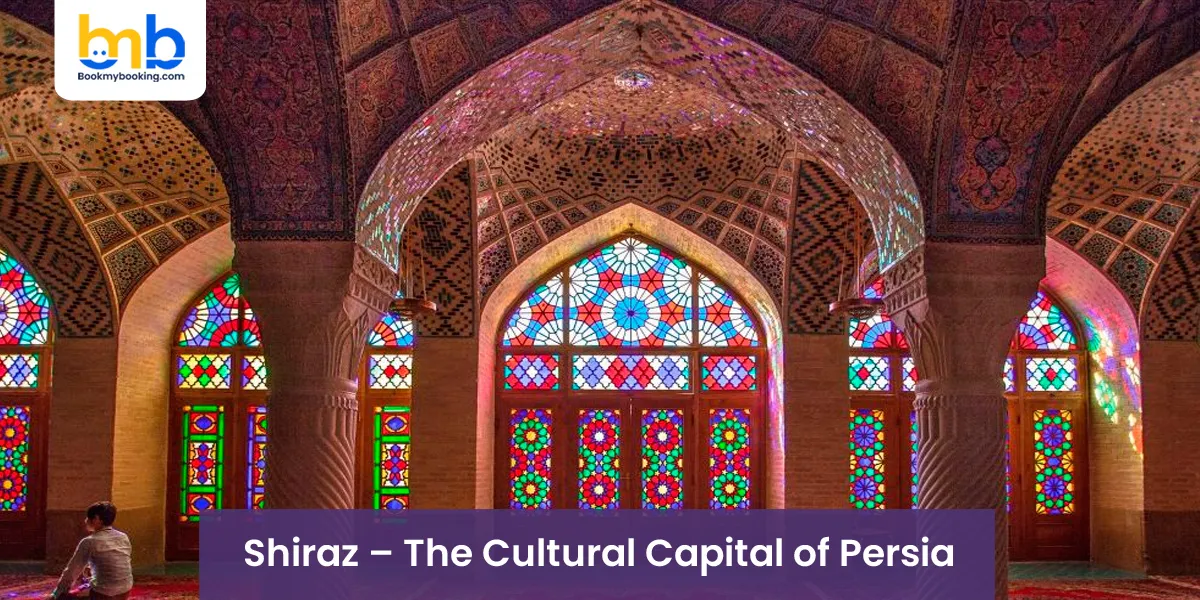
Shiraz has long been associated with literature, gardens, and Persian poetry. It is home to some of the country's most beloved Iranian heritage sites. The city's peaceful atmosphere makes it one of Iran's most rewarding cultural destinations.
Must-Visit Historical Attractions
Nasir al-Mulk Mosque
Often called the Pink Mosque, this architectural masterpiece is famous for its colourful stained-glass windows that create spectacular morning light displays.
Karim Khan Citadel
This impressive fortress served as the royal residence during the Zand dynasty.
Visitors can explore:
- Historic towers
- Royal courtyards
- Ancient halls
- Traditional architecture
Vakil Bazaar
One of Iran's oldest markets where travellers can purchase:
- Persian carpets
- Silver jewelry
- Traditional textiles
- Handcrafted souvenirs
- Local spices
Persian Poetry and Literature
Shiraz is also famous for two legendary Persian poets:
- Hafez- Hafez was one of Persia's greatest lyric poets, celebrated for his timeless collection of poems known as the Divan of Hafez. His verses explore themes of love, spirituality, wisdom, and human emotions, attracting admirers from around the world.
- Saadi- Saadi was a renowned Persian poet, philosopher, and scholar best known for his literary masterpieces Gulistan and Bustan. His writings emphasize morality, compassion, justice, humility, and the importance of peaceful coexistence, making them influential across generations.
Their beautifully designed tombs attract literature lovers from around the world. These landmarks contribute significantly to cultural tourism in Iran.
4. Yazd – The Desert City Frozen in Time
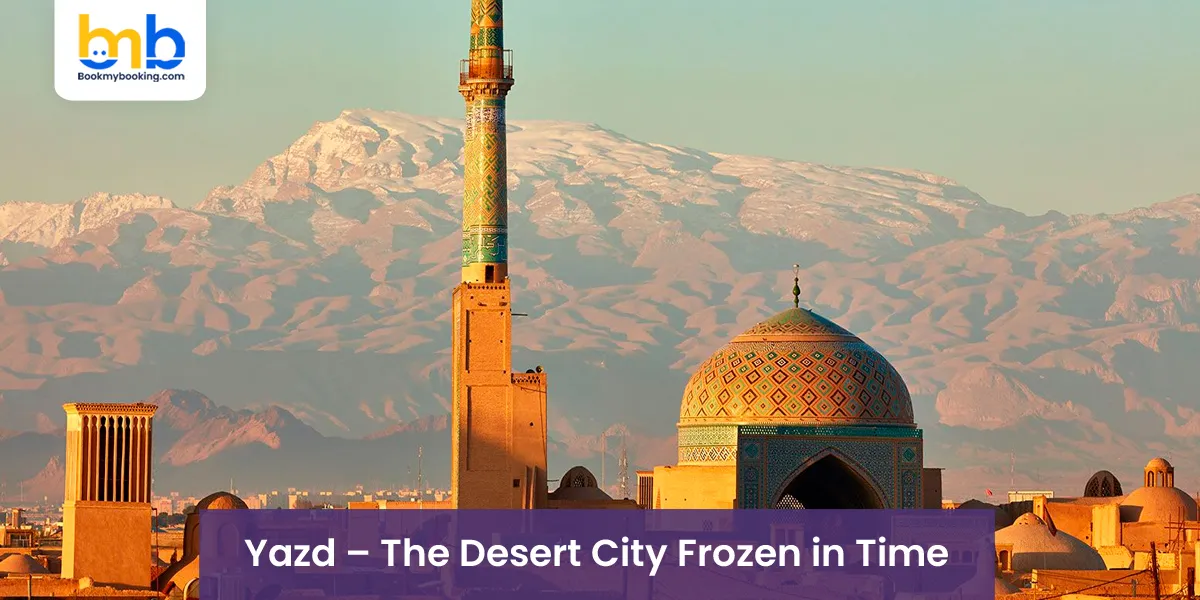
Recognised among the finest UNESCO sites in Iran, Yazd is one of the oldest continuously inhabited cities on Earth. Built almost entirely from mud bricks, Yazd showcases remarkable desert architecture adapted to harsh climatic conditions.
Major Attractions
Historic Old Town
The maze-like streets feature:
- Mud-brick homes
- Windcatchers (Badgirs)
- Ancient alleyways
- Traditional Persian courtyards
Fire Temple
One of the most important Zoroastrian religious sites, housing a sacred flame that has reportedly burned continuously for centuries.
Towers of Silence
These ancient circular structures reveal the fascinating burial traditions of Zoroastrian culture.
Why Yazd Is Unique
Yazd preserves:
- Ancient Persian engineering
- Traditional desert architecture
- Zoroastrian heritage
- Historic water systems
- Timeless cultural traditions
It remains one of the most authentic historical places in Iran.
5. Pasargadae – Legacy of Cyrus the Great
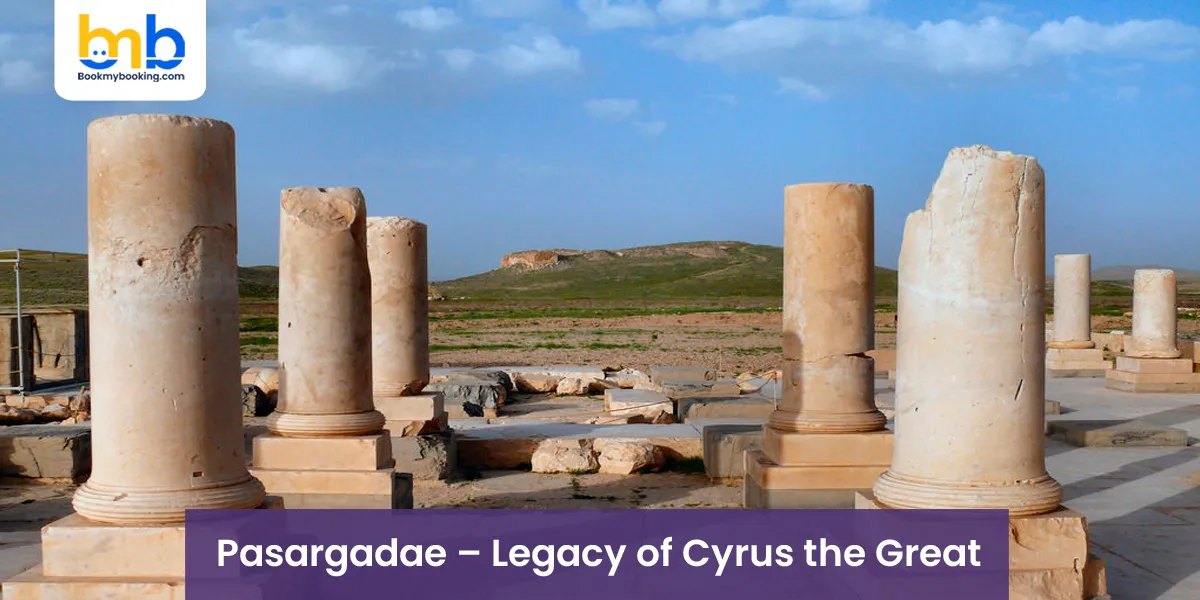
Pasargadae was the first capital of the Achaemenid Empire and remains one of the country's most important Iranian heritage sites.
Its most famous monument is the Tomb of Cyrus the Great, one of history's most respected rulers.
Visitors also explore:
- Royal Gardens
- Ancient palaces
- Stone platforms
- Archaeological remains
Pasargadae symbolises the birth of the Persian Empire and is an essential stop in any Iran cultural travel guide.
Traditional Persian Bazaars: Living Cultural Museums
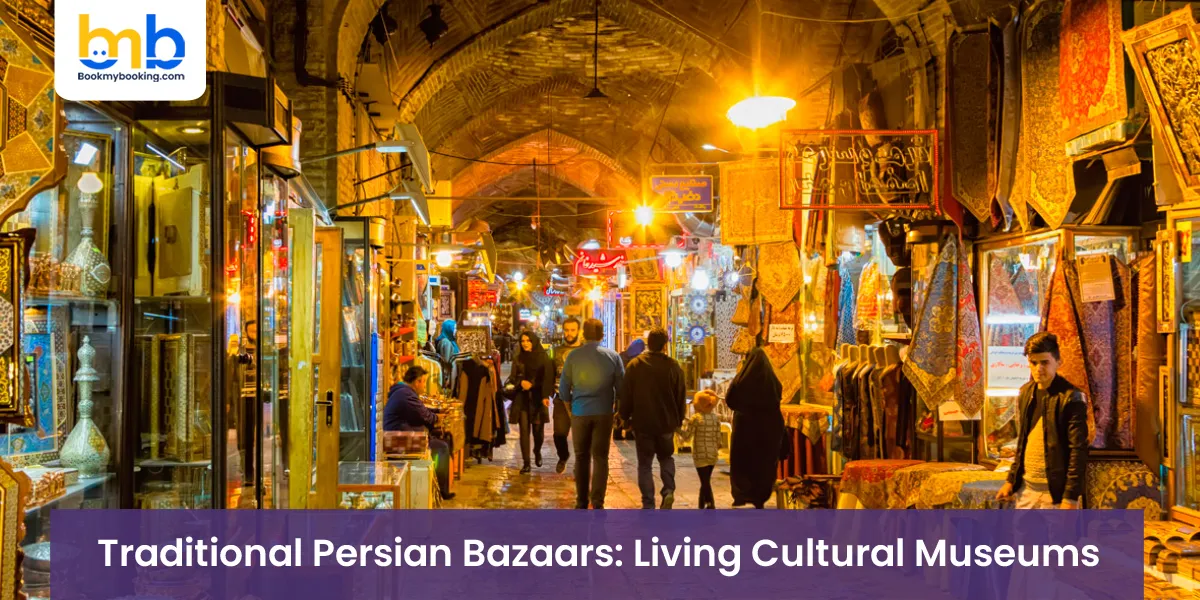
Historic bazaars are among the most vibrant historical places in Iran because they continue to function much as they did centuries ago.
Some of the most famous:
Tabriz Historic Bazaar
- The Tabriz Historic Bazaar is one of the world's oldest covered marketplaces and a UNESCO World Heritage Site. It features traditional architecture, bustling shops, handcrafted carpets, spices, jewelry, and local handicrafts.
Isfahan Grand Bazaar
- The Isfahan Grand Bazaar is a vibrant marketplace stretching through the city's historic center. Visitors can shop for Persian carpets, ceramics, textiles, miniature paintings, copperware, spices, and beautifully crafted traditional souvenirs.
Tehran Grand Bazaar
- The Tehran Grand Bazaar is Iran's largest and busiest traditional market, offering everything from gold, jewelry, and carpets to clothing, spices, electronics, and household goods within its historic maze-like corridors.
Vakil Bazaar in Shiraz
- Vakil Bazaar in Shiraz is a beautifully preserved 18th-century marketplace known for its elegant vaulted architecture. Visitors can explore shops selling Persian rugs, handicrafts, spices, antiques, textiles, and traditional local products.
Visitors can purchase:
- Handmade Persian carpets
- Copperware
- Miniature paintings
- Ceramics
- Spices
- Saffron
- Pistachios
- Turquoise jewelry
These bustling markets preserve centuries-old trading traditions and remain central to cultural tourism in Iran.
Iran's remarkable legacy extends far beyond its famous cities. The country is home to magnificent palaces, ancient citadels, historic bazaars, sacred religious sites, and architectural masterpieces that have stood the test of time. These landmarks make cultural tourism in Iran one of the most rewarding experiences for travellers who appreciate history, architecture, and authentic cultural encounters.
6. Tabriz Historic Bazaar – The World's Largest Covered Market
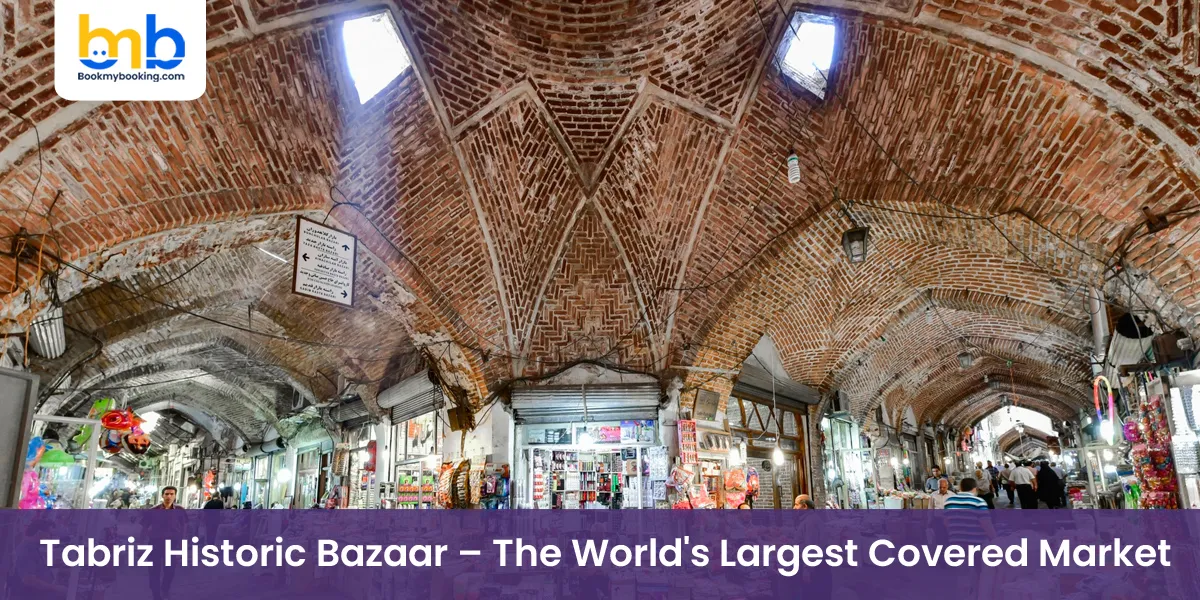
Among the most famous Iran heritage sites, the Tabriz Historic Bazaar Complex is one of the oldest continuously operating markets in the world.
Recognised as one of the most important UNESCO sites in Iran, the bazaar has served as a major trading centre on the ancient Silk Road for centuries.
Spread across several kilometres, it features interconnected passageways, domed halls, caravanserais, workshops, and traditional shops.
Highlights of the Bazaar
- Carpet market
- Jewelry market
- Spice market
- Traditional tea houses
- Historic mosques
- Caravanserais
- Handicraft workshops
The bazaar remains an active commercial centre where visitors can experience traditional Persian trade and craftsmanship.
Why Visit the Tabriz Bazaar?
Visitors come here to:
- Shop for authentic Persian carpets
- Experience Silk Road history
- Taste traditional Azerbaijani cuisine
- Explore centuries-old architecture
- Purchase handmade souvenirs
It remains one of the finest historical places in Iran for travellers seeking authentic cultural experiences.
7. Golestan Palace – A Royal Treasure of Tehran
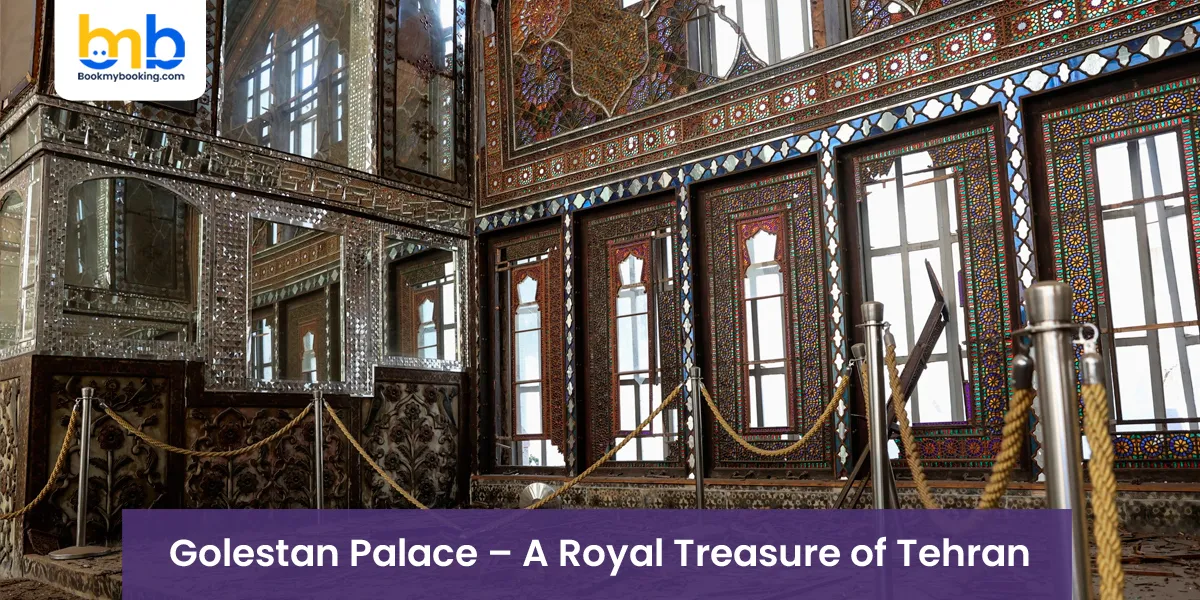
Located in the heart of Tehran, Golestan Palace is among the country's most magnificent royal residences. This UNESCO World Heritage Site reflects the elegance of the Qajar dynasty through its blend of Persian and European architectural influences.
Major Attractions
· Marble Throne Hall
An impressive ceremonial hall featuring exquisite marble craftsmanship.
· Mirror Hall
Covered with thousands of tiny mirrored pieces, this room is considered one of the palace's architectural highlights.
· Karim Khani Nook
A peaceful royal retreat overlooking beautiful courtyards and fountains.
· Palace Gardens
Beautifully landscaped gardens provide visitors with a tranquil escape in the centre of the bustling capital.
Architectural Features
Golestan Palace is famous for:
- Colourful ceramic tiles
- Decorative mirrors
- Ornate ceilings
- Elegant courtyards
- Persian gardens
- Royal museums
It is undoubtedly one of the most beautiful Iranian heritage sites.
8. Bam Citadel (Arg-e Bam)
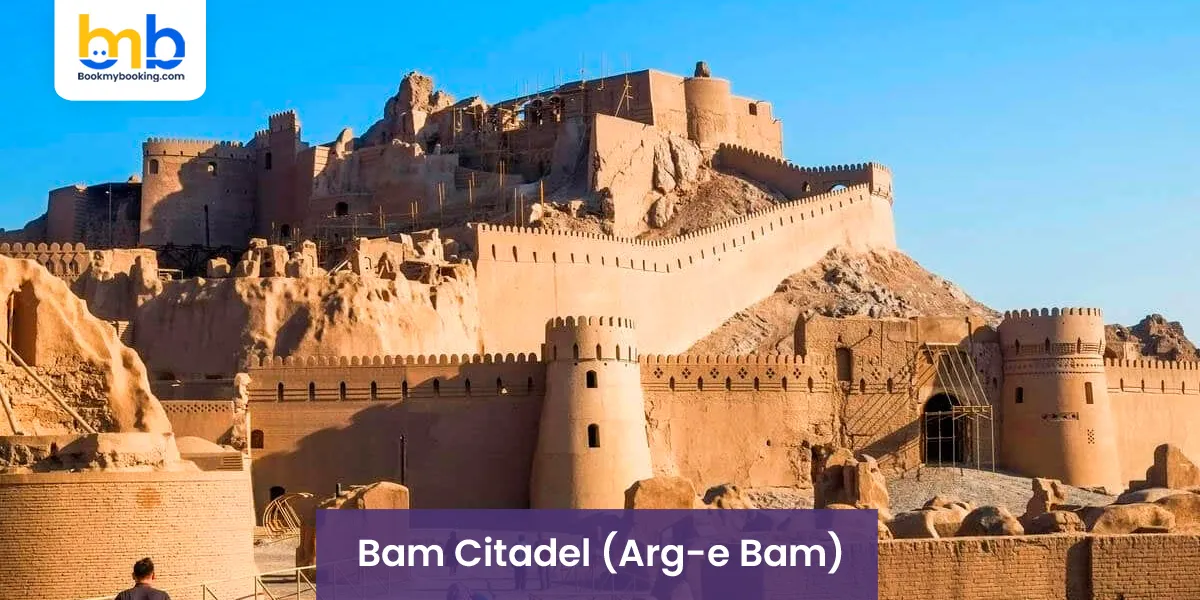
The Bam Citadel is the world's largest adobe (mud-brick) structure.
Although damaged during the devastating 2003 earthquake, extensive restoration efforts have helped preserve this remarkable historical treasure.
Today, it remains one of the most significant UNESCO sites in Iran.
Bam Citadel- Historical Importance
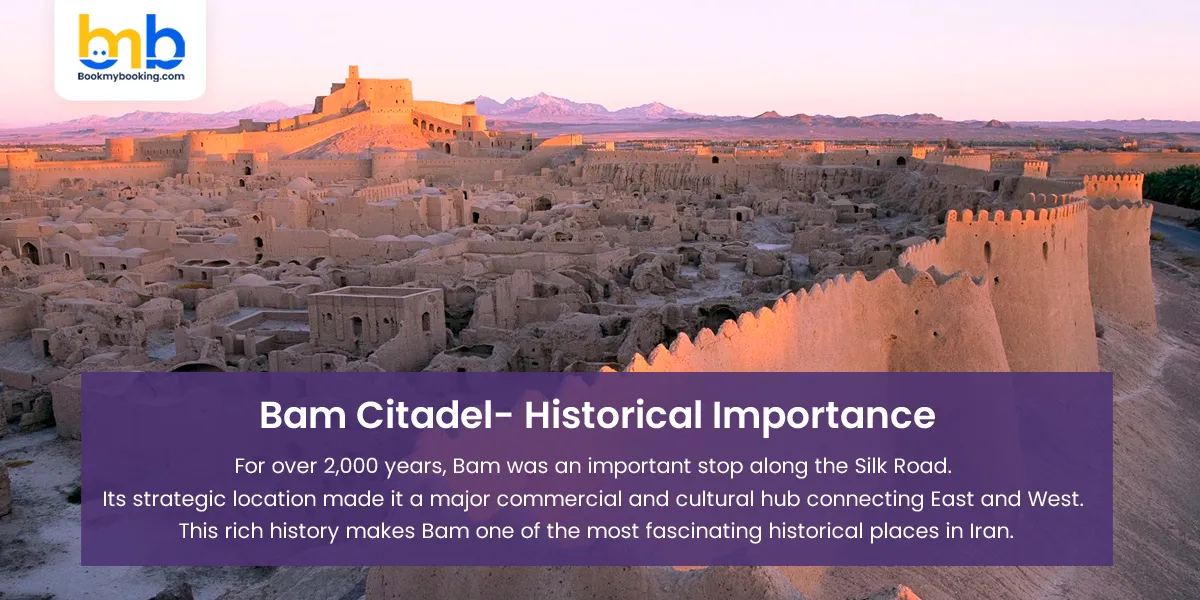
What Makes Bam Special?
- Ancient mud-brick architecture
- Historic watchtowers
- Royal quarters
- Traditional houses
- Ancient city walls
- Defensive fortifications
Walking through Bam provides visitors with a glimpse into urban life centuries ago.
9. Susa – One of the World's Oldest Cities
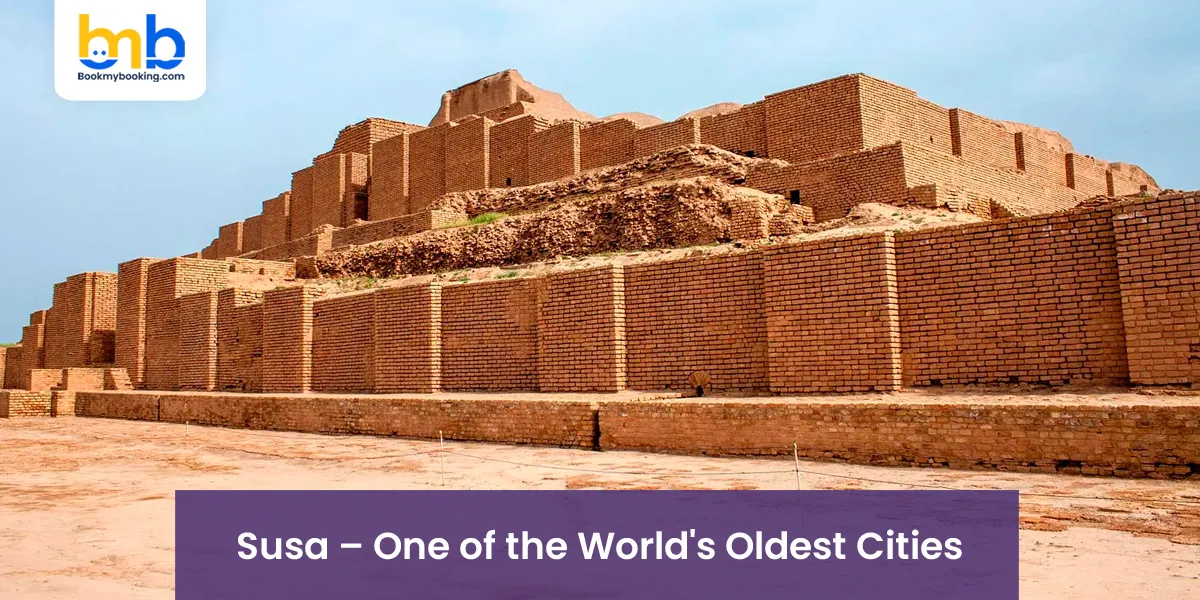
Susa ranks among the oldest continuously inhabited settlements on Earth. It served as one of the capitals of the Elamite Empire before becoming an important administrative centre of the Achaemenid Empire. Today, Susa is recognised as one of the most valuable Iranian heritage sites.
Top Attractions
- Palace of Darius
- Archaeological Museum
- Ancient ruins
- Royal Palace remains
- Apadana complex
Archaeological excavations continue to reveal fascinating discoveries about ancient Persian civilisation.
Why Visit Susa?
History enthusiasts appreciate Susa because it offers:
- Ancient archaeological sites
- Persian imperial history
- UNESCO recognition
- Museum collections
- Historical significance
It remains one of the oldest ancient cities in Iran.
10. Soltaniyeh Dome – An Architectural Marvel
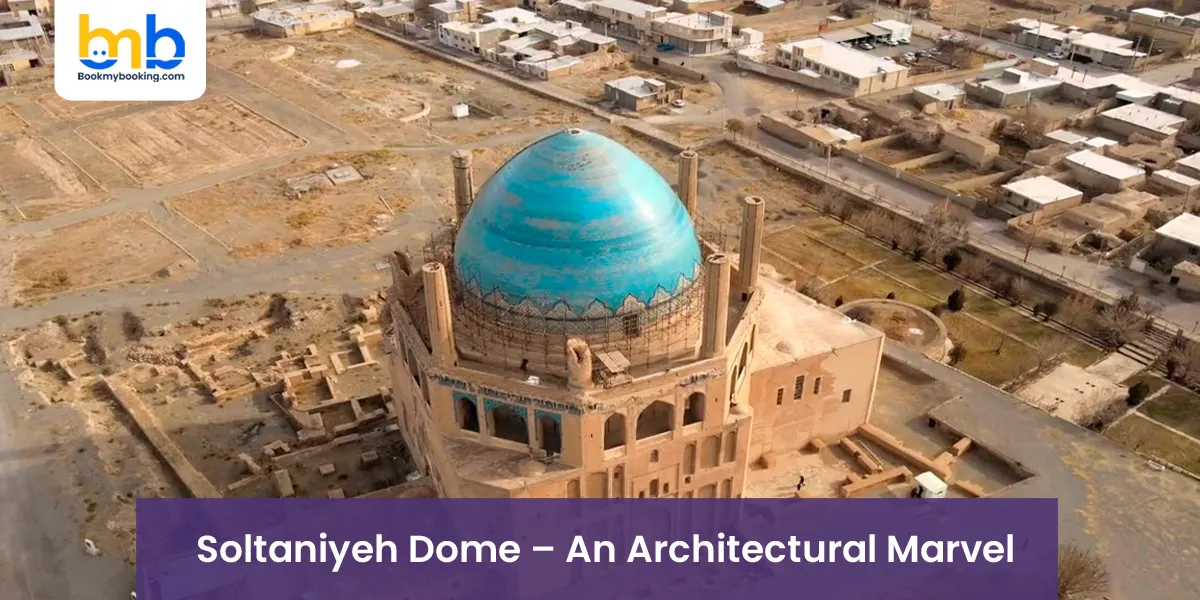
The Soltaniyeh Dome is one of the world's largest brick domes and a masterpiece of Islamic architecture.
Built during the Ilkhanid dynasty, it later inspired the design of famous monuments around the world.
Recognised among the finest UNESCO sites in Iran, Soltaniyeh attracts architects, historians, and photographers alike.
Architectural Highlights
- Massive turquoise dome
- Elegant minarets
- Intricate calligraphy
- Decorative tilework
- Spacious prayer halls
The monument reflects the remarkable engineering achievements of medieval Persia.
11. Armenian Monastic Ensembles
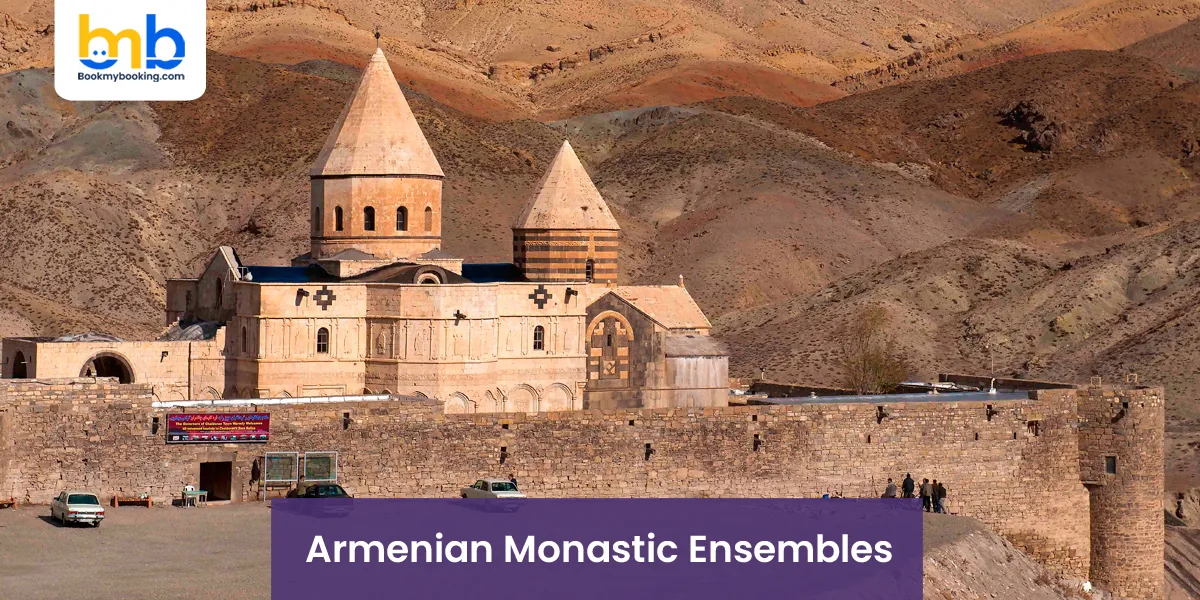
Iran is home to several beautifully preserved Armenian monasteries that reflect centuries of religious harmony and cultural diversity.
These churches are collectively recognised as important UNESCO sites in Iran.
Major Monasteries
· Saint Thaddeus Monastery
Often called the "Black Church," it is one of the oldest Christian churches in the region.
· Saint Stepanos Monastery
Situated in a picturesque valley, this monastery combines Armenian and Persian architectural styles.
· Chapel of Dzordzor
A small but historically significant chapel relocated to protect it from flooding.
Cultural Importance
These monasteries demonstrate Iran's multicultural heritage and its long history of religious coexistence. They remain significant Iranian heritage sites.
12. Persian Gardens – Symbols of Paradise
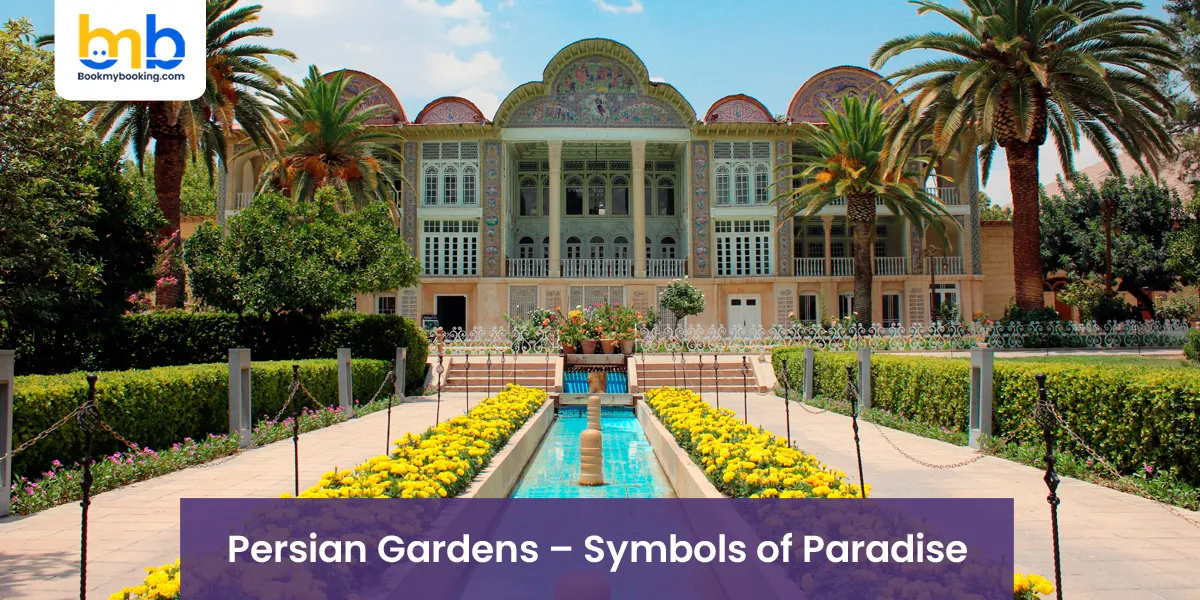
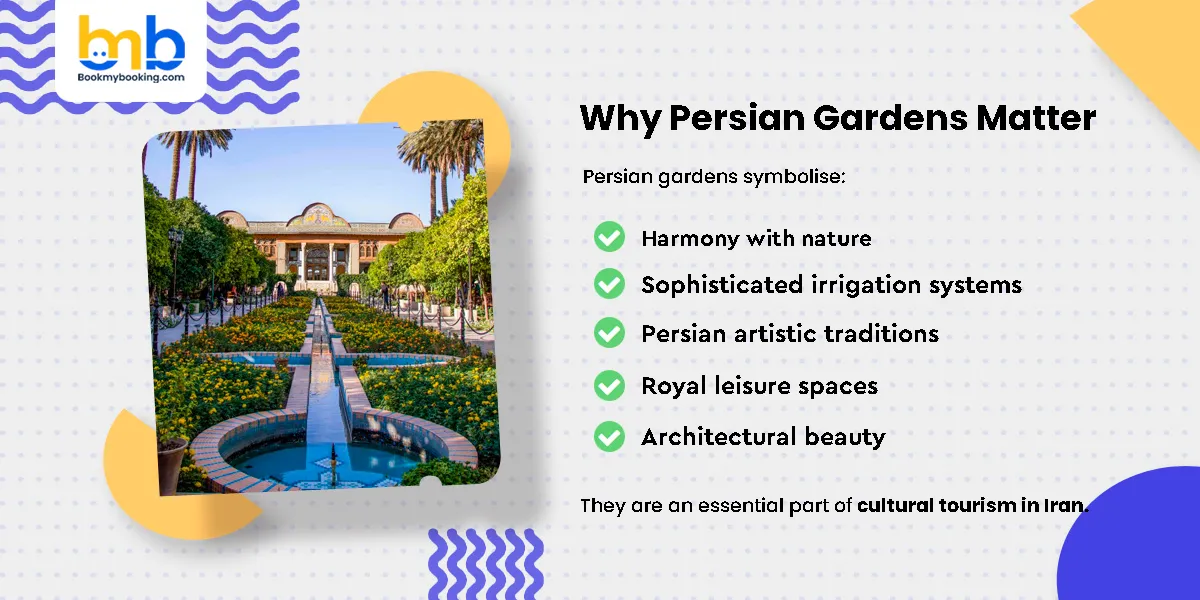
Persian gardens represent one of Iran's greatest contributions to landscape architecture. Designed to symbolise paradise, these gardens combine water channels, trees, flowers, and symmetrical layouts. Several are included among the UNESCO World Heritage Sites in Iran.
Famous Persian Gardens
· Fin Garden (Kashan)
One of the oldest surviving Persian gardens, famous for its fountains and cypress trees.
· Eram Garden (Shiraz)
Known for its colourful flowers, elegant palace, and peaceful atmosphere.
· Dolat Abad Garden (Yazd)
Home to one of the world's tallest windcatchers.
· Shazdeh Garden (Kerman)
Located in the desert, this stunning oasis demonstrates remarkable Persian engineering.
13. Ancient Villages That Preserve Persian Traditions
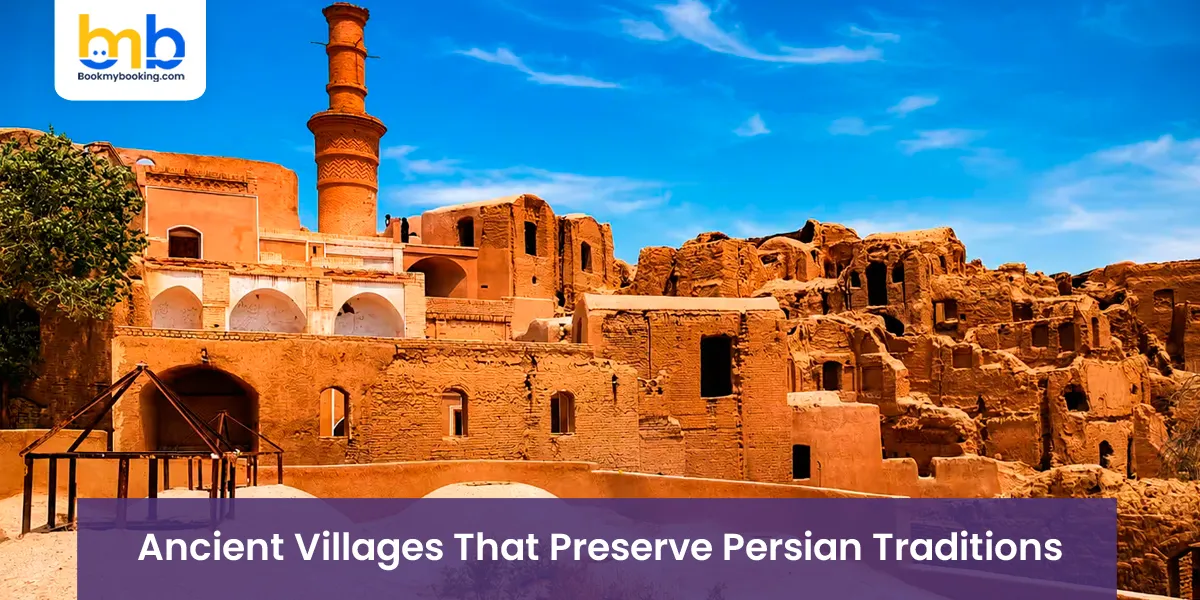
Beyond major cities, several villages preserve centuries-old customs and architecture.
· Abyaneh
One of the oldest ancient cities in Iran in village form, Abyaneh is famous for its red mud-brick homes and residents who proudly wear traditional clothing.
· Masuleh
This mountain village is known for its unique stepped architecture, where rooftops serve as walkways for the homes above.
· Kandovan
Unlike most villages, Kandovan features homes carved directly into volcanic rock formations, offering a rare example of living cave architecture.
These settlements provide visitors with authentic insights into traditional Iranian life and culture.
Museums That Showcase Iran's Heritage
Iran's museums preserve priceless artefacts spanning thousands of years.
Top museums include:
- National Museum of Iran
- Reza Abbasi Museum
- Azerbaijan Museum
- Carpet Museum of Iran
- Glass and Ceramic Museum
These institutions complement visits to historical places in Iran by providing deeper historical context.
Traditional Persian Handicrafts
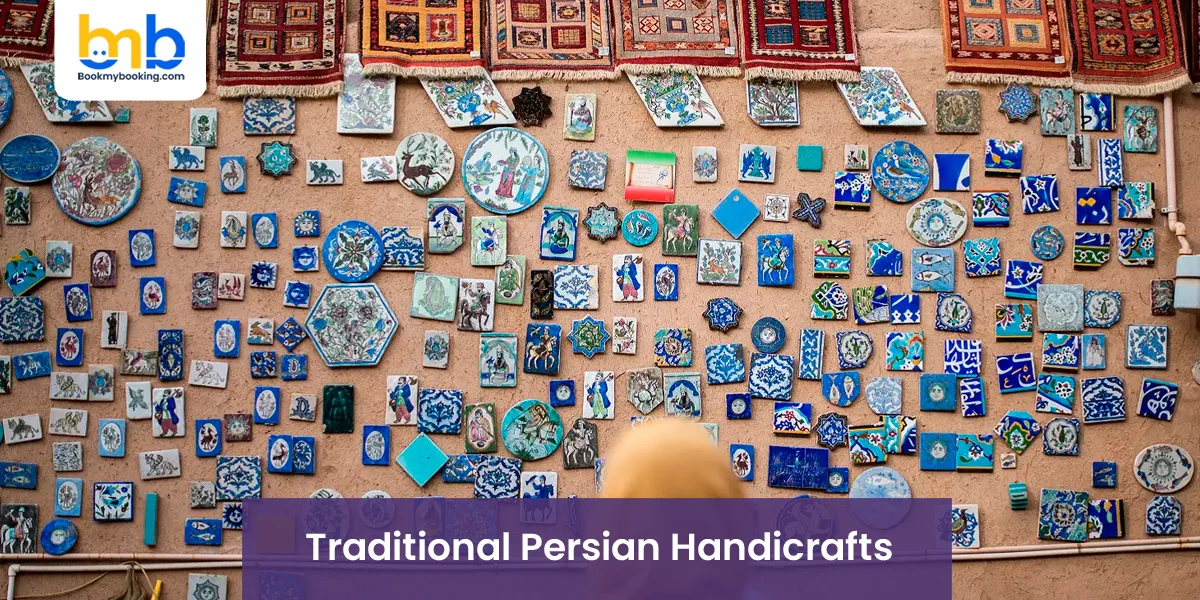
No Iran cultural travel guide is complete without mentioning the country's renowned handicrafts.
Popular traditional crafts include:
- Persian carpets
- Miniature paintings
- Copper engraving
- Pottery
- Wood inlay (Khatamkari)
- Enamel art (Minakari)
- Handwoven textiles
- Turquoise jewelry
Visitors can watch artisans at work in Isfahan, Shiraz, Kashan, and Tabriz, making these cities ideal for experiencing living cultural traditions.
Cultural and Historical Tourism in Iran You Must Explore and Visit
Iran's rich cultural identity extends beyond its monuments and archaeological treasures. The country's festivals, traditional cuisine, local craftsmanship, and warm hospitality provide travellers with immersive experiences that bring centuries of history to life. Whether you're exploring bustling bazaars or attending a traditional celebration, cultural tourism in Iran offers unforgettable memories at every turn.
This final section of the Iran cultural travel guide highlights cultural experiences, travel tips, suggested itineraries, and frequently asked questions to help you plan the perfect historical journey.
Experience Iran's Rich Cultural Festivals
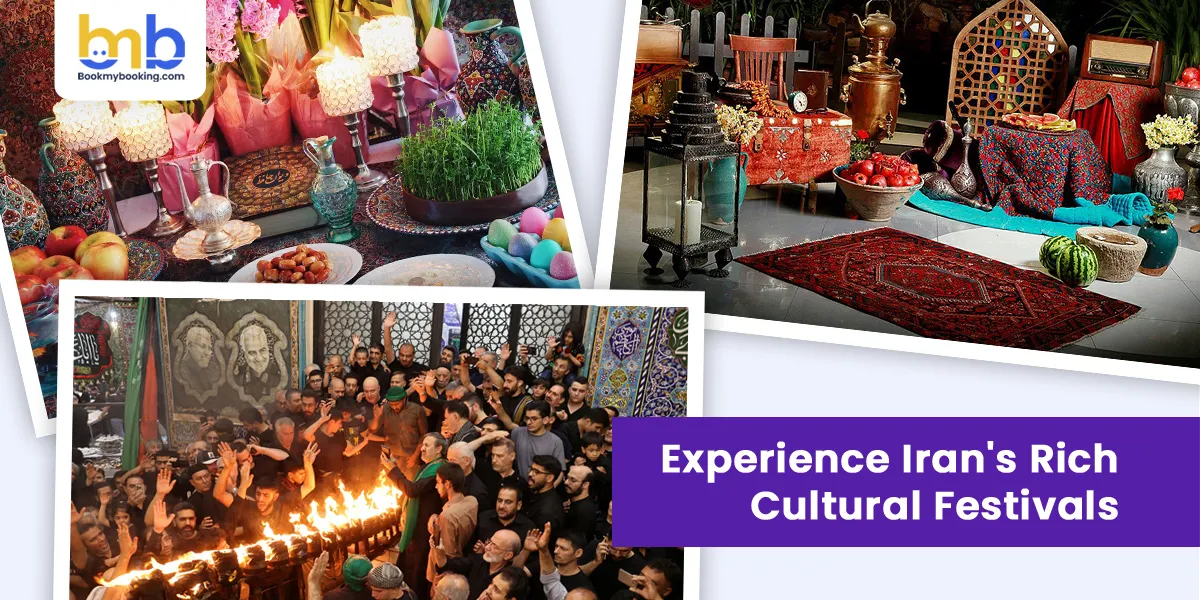
Iran celebrates numerous festivals that reflect its ancient traditions and cultural diversity. Participating in these events allows visitors to experience Persian customs firsthand.
Nowruz – Persian New Year
Celebrated on the spring equinox, Nowruz is Iran's most important festival and dates back more than 3,000 years.
Highlights
- Haft-Seen table displays
- Family gatherings
- Traditional music and dance
- Cultural performances
- Special Persian dishes
- Visits to historical landmarks
Many historical places in Iran host cultural events and celebrations during Nowruz, making it one of the best times to visit.
Yalda Night
Held on the longest night of the year, Yalda celebrates the triumph of light over darkness.
Families gather to:
- Read the poetry of Hafez
- Eat pomegranates and watermelon
- Share stories
- Enjoy traditional sweets
- Celebrate Persian customs
Yalda offers visitors a unique glimpse into Iran's centuries-old traditions.
Ashura and Religious Ceremonies
Ashura is one of the most significant religious observances in Iran. Visitors can respectfully witness traditional processions, ceremonies, and community gatherings that reflect the country's spiritual heritage.
Discover Persian Cuisine as Part of Cultural Tourism
Food plays an essential role in cultural tourism in Iran, reflecting centuries of culinary traditions influenced by Persia's diverse regions.
Must-Try Traditional Dishes
· Chelow Kebab
Iran's national dish consists of grilled meat served with fragrant saffron rice, grilled tomatoes, and butter.
· Ghormeh Sabzi
A flavorful herb stew prepared with beans, dried lime, and tender meat.
· Fesenjan
A rich stew made from walnuts and pomegranate molasses, offering a perfect balance of sweet and sour flavours.
· Tahchin
A baked saffron rice dish layered with chicken or lamb and finished with a crispy golden crust.
· Dizi (Abgoosht)
A traditional slow-cooked stew made with lamb, chickpeas, potatoes, and tomatoes.
Sampling these dishes adds depth to every Iran cultural travel guide experience.
Best Time for Cultural and Historical Tourism in Iran
Timing your visit can greatly enhance your experience of the country's heritage sites.
Spring (March–May)
Spring is considered the best season for exploring historical places in Iran.
Why Visit?
- Pleasant weather
- Blooming Persian gardens
- Nowruz celebrations
- Comfortable sightseeing
- Ideal photography conditions
Autumn (September–November)
Autumn offers:
- Mild temperatures
- Smaller crowds
- Clear skies
- Excellent conditions for exploring archaeological sites
This season is perfect for visiting Isfahan, Shiraz, Yazd, and Persepolis.
Winter (December–February)
Winter is suitable for:
- Museums
- Historic cities
- Southern Iran
- Cultural tours without peak-season crowds
Responsible Cultural Tourism Tips
To help preserve Iran's heritage for future generations:
- Dress modestly, especially at religious sites.
- Follow photography rules in museums and historic monuments.
- Avoid touching ancient carvings and artefacts.
- Support local artisans by purchasing authentic handicrafts.
- Hire certified local guides for historical tours.
- Respect local customs and traditions.
- Dispose of waste responsibly.
- Stay on designated paths at archaeological sites.
Responsible travel ensures that Iran's heritage sites remain protected for years to come.
Why Iran Is a Dream Destination for History Lovers
Few countries offer the same depth of history as Iran. From the grandeur of Persepolis and the elegance of Isfahan to the desert city of Yazd and the ancient bazaars of Tabriz, every destination reveals a different chapter of Persian civilisation.
Whether you are fascinated by archaeology, architecture, literature, religion, or art, cultural tourism in Iran provides endless opportunities to explore one of the world's oldest and most influential civilisations.
The country's remarkable historical places, preserved Iranian heritage sites, and iconic UNESCO sites create an unforgettable journey through time.
Conclusion
Iran is a living museum where thousands of years of history, architecture, literature, religion, and art come together to create an extraordinary travel experience. From the magnificent ruins of Persepolis and the elegant mosques of Isfahan to the timeless streets of Yazd and the vibrant bazaars of Tabriz, every destination reflects the country's remarkable cultural legacy.
Whether you are exploring iconic historical places in Iran, wandering through world-renowned Iran heritage sites, or visiting celebrated UNESCO sites in Iran, every journey reveals a deeper understanding of Persian civilisation. This comprehensive Iran cultural travel guide demonstrates why cultural tourism in Iran continues to captivate travelers seeking authentic, meaningful, and enriching experiences. If you're passionate about history, architecture, and heritage, Iran deserves a prominent place on your travel bucket list.