

&format=webp&quality=85)
Corporate event planning in a foreign country is no longer as simple as picking a pretty city and booking a hotel. As we move into 2026, these international gatherings have become much more than just a trip away from the office. They are now seen as "strategic experiences." This means every part of the trip should showcase what your company stands for, how your team works together, and where the business is headed.
Whether you are organising a meeting for top leaders, an award trip for high performers, or a massive global product launch, people now expect these events to be perfect. They want them to be smooth, exciting, and handled with total professionalism. Because the stakes are higher, the planning has to be better. You need a plan that is strong enough to handle complex logistics but flexible enough to handle the unexpected.
This BMB guide is designed to help you navigate the complex world of international events with total confidence.
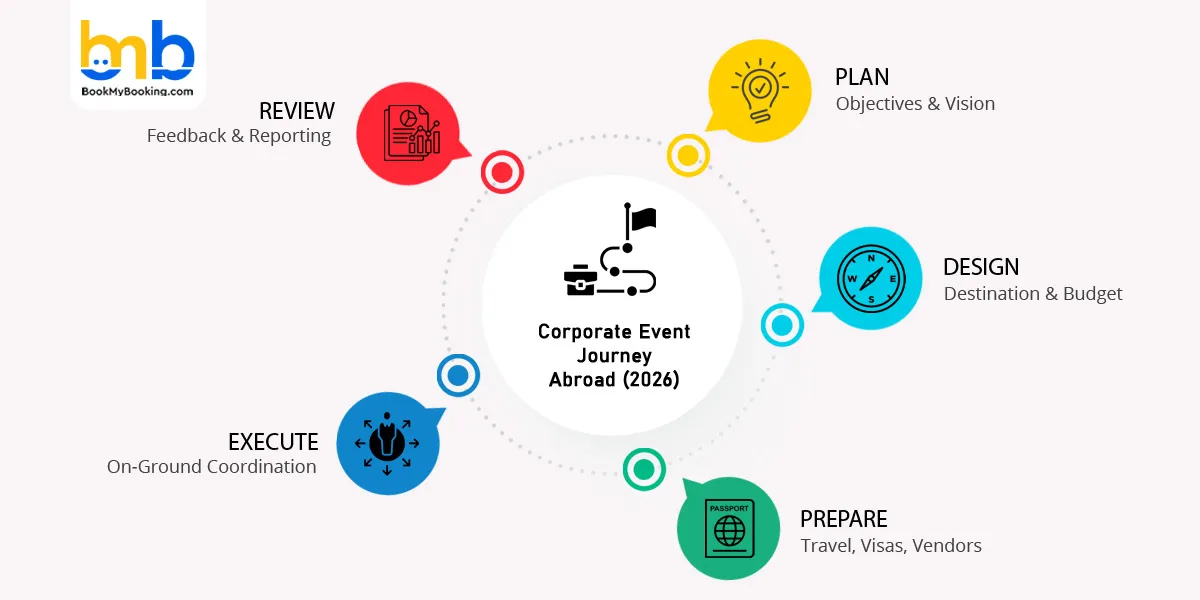
Why Corporate Events Abroad Matter More in 2026
In 2026, the "why" of business travel has changed. Companies are using locations abroad to inspire their staff and build genuine human connections.
In a world where we spend so much time on video calls, being in the same room, especially in a new and exciting environment, makes a huge difference.
- Deeper Connections: Being in a new country breaks down barriers. People talk more freely and build trust faster when they are out of their usual routine.
- Fresh Creativity: A change of scenery is the best way to get new ideas flowing. A team that is stuck in a boardroom at home might find a creative breakthrough while walking through a market in Tokyo or a garden in Spain.
- Brand Loyalty: When a company invests in a high-quality international event, it tells employees and partners that they are valued. This builds loyalty that a simple bonus check can't match.
These events are so important that the person planning them has a big responsibility. If the travel is messy or the event flow is boring, it can actually hurt the company's image. That is why having an international event guide is a necessity.
Phase 1: Setting the Foundation
Defining Clear Objectives
Every great event starts with a "why." Before you even look at a map, you must ask yourself: "What do we want to happen because of this trip?"
- Motivation: Is this to reward the sales team for a great year?
- Education: Is this to teach the global team about a new technology?
- Connection: Is this to help different branches of the company finally meet in person?
The objective is the "North Star" of your planning. Every choice you make later about food, speakers, or hotels should point back to this goal.
Creating the Event Vision
Once you know the goal, you can start dreaming up the vision. Think about the "vibe" of the event. A leadership summit for 20 executives will look very different from a 500-person celebration.
- The Scale: How many people? How many days?
- The Profile: Are these young new hires or senior partners?
- The Experience: Do you want it to be high-energy and fast-paced, or calm and thoughtful?
Internal Alignment
You need to get everyone on the same page early. Meet with the key stakeholders to align on the budget, establish a clear timeline, and define how success will be measured. If you wait too long to get this agreement, you will run into "scope creep," where the event keeps growing and getting more expensive without anyone realising it.
Phase 2: Choosing the Right Destination
Beyond the "Famous" Cities
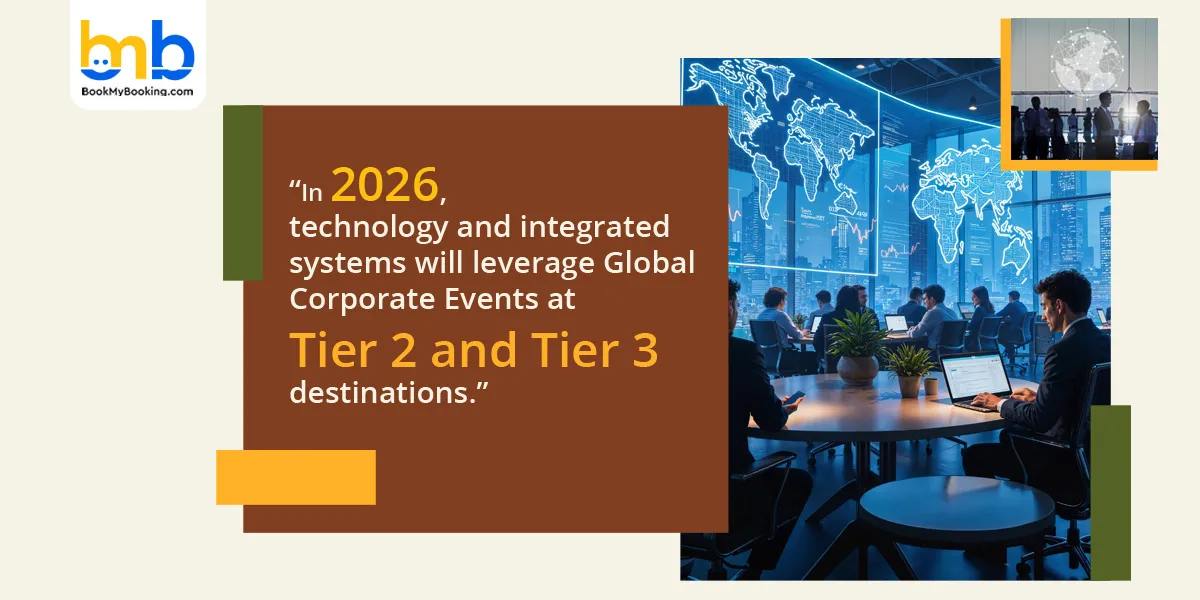
In 2026, many companies are moving away from traditional hubs like London and Paris and toward "secondary cities." These are places that offer great culture and better prices. However, no matter how incredible a city is, it must pass the "Practicality Test." This test means assessing how easy and cost-effective a destination is for real business use. It focuses on factors like connectivity, infrastructure, accommodation availability, and overall value for companies and travellers.
The Accessibility Factor
If it takes three flights and a four-hour bus ride to get to the hotel, your guests will arrive tired and grumpy. Check the flight connectivity. Are there direct flights from your main offices? How easy is the airport to navigate?
- Visa Requirements: This is a big one. Some countries have long and complicated visa processes. If half your team can't get a visa in time, the event is ruined. Always check this first.
Matching the Mood
The city should fit the event.
- Incentive Trips: Look for resorts, beaches, or places with great nightlife (e.g., Bali, the Amalfi Coast).
- Business Conferences: Look for global hubs with great convention centres and reliable Wi-Fi (e.g., Singapore, Berlin, Dubai).
Safety and Infrastructure
In 2026, safety is of utmost importance. You must stay informed about the country’s political climate and the quality and reliability of regional medical facilities. Examine the local infrastructure as well. Are there enough good hotels in the city? Or is public transportation dependable?
Phase 3: Budget Planning and Financial Control
The Hidden Costs of Going Abroad
Budgeting for an international event is much more complex than budgeting for one at home. Many hidden costs can catch you off guard.
- Currency Fluctuations: The value of money changes every day. What looks like a great deal today might be 10% more expensive in six months.
- Local Taxes and VAT: Many countries have high taxes on services that aren't included in the initial quote.
- Permits and Fees: Some cities charge "tourist taxes" or require expensive licenses to hold events in public spaces.
Building a Transparent Budget
To keep things under control, break your budget into clear "buckets":
- Travel: Flights, visas, and travel insurance.
- On-Ground Logistics: Buses, private cars, and airport transfers.
- Venue & Rooms: Hotel stays and meeting room rentals.
- Content: Speakers, AV equipment, and stage design.
- Food & Beverage: Every meal, snack, and coffee break.
- Contingency: Always keep 10-15% of the total budget in a "just in case" fund.
Working with Local Partners
Hiring a local professional is one of the finest methods to save money. They are aware of which suppliers are trustworthy and which are costly. By negotiating in the local language, they can ensure you receive the "local price" rather than the "tourist price."
Phase 4: Managing Overseas Event Logistics
The Complexity of Moving People
Logistics is the "engine room" of your event. If the buses don't show up, it doesn't matter how good the keynote speaker is.
- The Arrival Experience: The event starts the moment the guest lands. Having someone waiting at the airport with a sign and a cold bottle of water makes a huge difference.
- Hotel Coordination: Checking in 100 people at once can be a nightmare. Work with the hotel to create a "group check-in" desk where guests can quickly pick up their keys and an event welcome bag.
Technical and Venue Requirements
You have to make sure the venue has everything necessary. Assuming it has everything you need would land you in last-minute problems.
- Wi-Fi: In 2026, people will use more than one device, for instance, we have phones, tabs and laptops, altogether. You need a dedicated, high-speed connection for your event that won't crash when everyone tries to post on social media at once.
- Audio-Visual (AV): If you are bringing a presentation, make sure the venue has the right cables and screens. It is often safer to hire a local AV company to provide high-quality gear.
- Time Zones: Remember that your team back home or your remote speakers are in a different time zone. Plan your schedule so that people aren't being asked to give a speech at 3:00 AM.
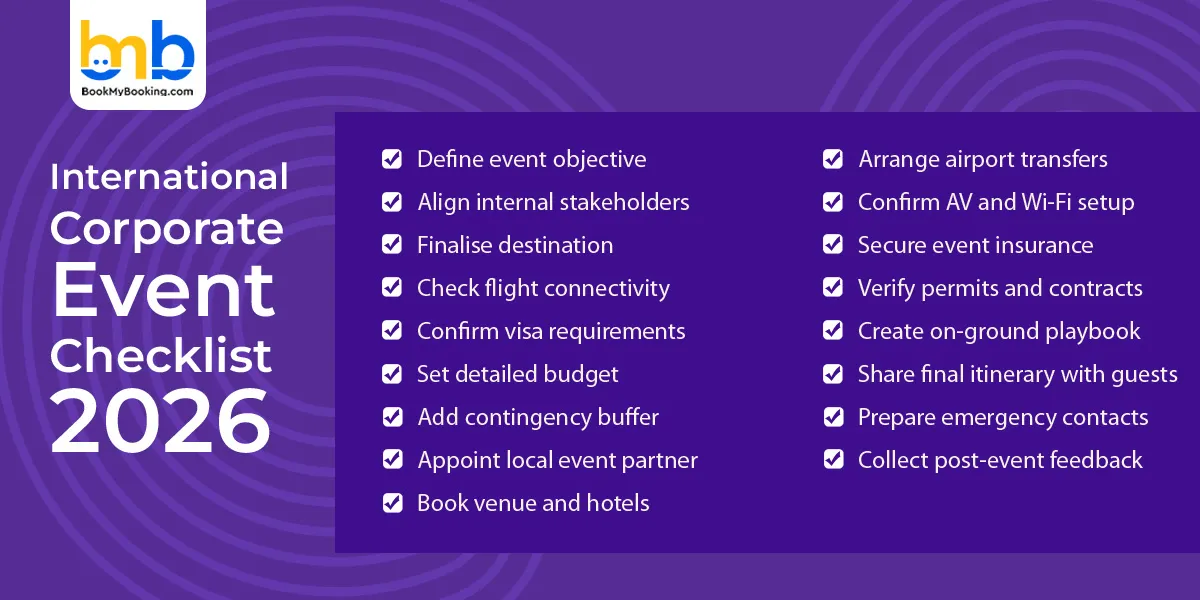
Phase 5: Creating the Ultimate Event Checklist
An event checklist is your best friend. It keeps all the tiny details from falling through the cracks. Your 2026 checklist should be divided into stages:
6-12 Months Out: The Big Decision
- Define the goal and vision.
- Secure the budget.
- Pick the destination and book the main venue.
- Hire your local planning partner.
3-6 Months Out: The Detail
- Send out "Save the Date" emails.
- Start the visa application process for guests.
- Finalise the menu and the list of speakers.
- Book the flights and local transport.
1 Month Out: The Final Polish
- Do a final walk-through of the venue (if possible).
- Confirm all vendor contracts.
- Create the "On-Ground Playbook" for the staff.
- Send out the final itinerary and packing list to guests.
Phase 6: Legal, Compliance, and Documentation
Playing by the Rules
Every country has different laws. In 2026, you cannot afford to ignore these.
- Insurance: You need "Event Liability Insurance." This protects the company if someone is injured or the venue is damaged. You should also ensure every guest has travel insurance.
- Contracts: Make sure your contracts have a "Force Majeure" clause. This protects you if the event has to be cancelled due to factors beyond your control, such as a natural disaster or a political strike.
- Data Privacy: You are handling sensitive data if you are gathering passport information or dietary requirements. To protect that information, make sure you comply with local privacy rules (such as the GDPR in Europe).
Phase 7: Designing Meaningful Event Experiences
Quality Over Quantity
In the past, corporate event guides were packed with back-to-back speeches. In 2026, people find that exhausting. The most successful events balance hard work with "human moments."
- Interactive Sessions: Instead of just watching a PowerPoint, get people talking. Use workshops, "fishbowl" discussions, or live polls to keep the energy up.
- Local Flavour: Avoid hotel chicken if you're in Mexico. A local chef should own a taco stand. Plan a quick tea ceremony if you are in Japan. The vacation feels like a genuine experience rather than just another meeting because of these minor details.
- Wellness Breaks: Travel is tiring. Include time for a morning yoga session, a guided walk, or just a few hours of "free time" where guests can explore the city on their own.
Personalization
Use technology to make the event feel personal. An event app can let guests choose which breakout sessions to attend or book a 1-on-1 meeting with a company executive. A guest is far more interested when they believe the event was created just for them.
Phase 8: On-Ground Execution and Real-Time Coordination
The Command Centre
You need a central location where the planning team can operate after the event really begins. This "Command "Centre ought to be equipped with radios, chargers, additional schedules, and a first aid kit.
- The Daily Briefing: Every morning, meet with your team and the hotel staff. Go over the day's schedule, check the weather, and discuss any problems that occurred the day before.
- Real-Time Communication: Use a messaging app (like WhatsApp or Slack) to stay in touch with your team. This allows you to fix minor problems—like a room being too cold or a speaker running late—without the guests ever noticing.
Being Flexible
No matter how much you plan, something will go wrong. A flight will be delayed, a caterer will be late, or a piece of equipment will break. The key to being a great organiser is staying calm. If you stay cool, your team will stay cool, and the guests will feel safe.
Phase 9: Post-Event Review and Follow-Up
Closing the Loop
The event isn't over when the plane lands. The days following the event are the best time to gather data.
- Attendee Feedback: Send out a short, simple survey. Ask what they loved and what they would change. Do this while the memories are still fresh.
- Stakeholder Report: Create a summary for the company leaders. Show them the photos, the feedback scores, and the amount spent. This proves the trip's value and makes it easier to budget for next year.
- Saying Thank You: Send a personalised thank-you note to your local partners and vendors. Building good relationships abroad means that, if you ever return to that city, you will already have a team ready to help you.
Delivering Impact in 2026
Planning the perfect corporate event abroad is a big job, but it is also gratifying. It takes a mix of big-picture dreaming and tiny-detail tracking. You can create something genuinely unique by following a methodical process that includes defining your objectives, choosing the ideal location, managing your finances, and focusing on the visitor experience.
A successful international event in 2026 is a potent method to demonstrate to your team that they work for a forward-thinking, global company. With the right guide and a event checklist, you can turn the complexity of international travel into a seamless and unforgettable adventure for everyone involved.