

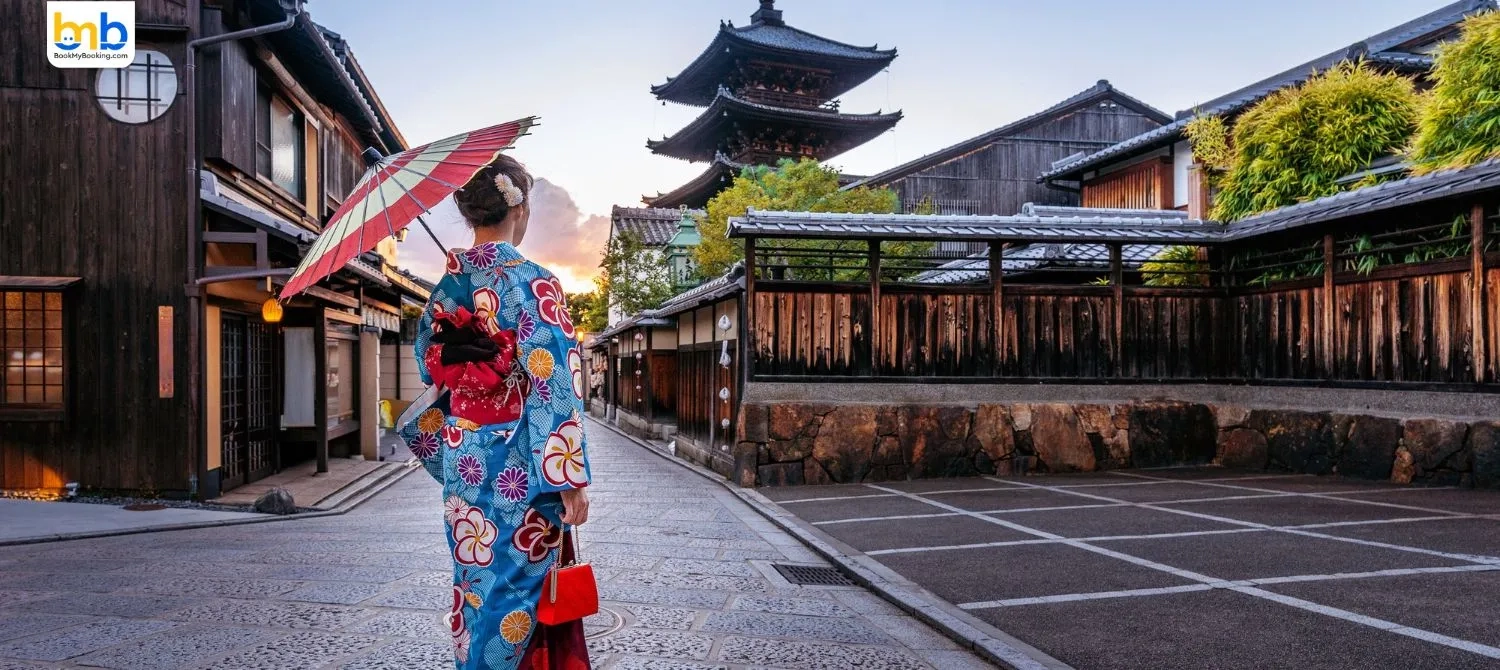
Cox and Kings reports that Japan has emerged as a year-round destination for Indian travellers with over 3 lakh visits in 2025 and a 30 per cent increase in summer bookings for 2026. Demand is shifting from cherry blossom tourism toward regional wellness and experience itineraries across Japan's cultural and alpine regions.
Japan's tourism appeal among Indian travellers is expanding beyond its iconic cherry blossom season, with more than 3 lakh Indian visitors recorded in 2025, the highest to date. According to insights from Cox and Kings, Japan is steadily positioning itself as an all-seasons destination supported by growing interest in regional circuits and experience-led travel. With no travel advisories in place, Cox and Kings has recorded nearly a 30 per cent rise in summer departures for April to September 2026, underlining consistent demand for Japan among Indian tourists. While spring continues to draw visitors to sakura-themed itineraries, travel interest is diversifying into alpine coastal regions and well-known areas such as Hokuriku, Hakone, and Takayama.
The trend reflects a shift away from the traditional Tokyo, Osaka, Kyoto route toward lesser-known destinations known for scenic rural journeys, mountain landscapes, hot springs and preserved cultural towns. Coastal routes and heritage areas are gaining traction among travellers seeking immersive, slower-paced itineraries. Karan Agarwal, Director Coz and Kings, said, "Japan today provides a rare balance of ancient tradition and modern efficiency. What we are witnessing is a shift from checklist tourism to curiosity-driven travel. Indian travellers want stories, not just stamps, and Japan delivers that across seasons."
According to the company, young couples fmaileis and first-time international travellers account for 55-60 per cent of current bookings. Culinary exploration, pop culture, and immersive local experiences are driving itinerary design. Attractions such as the Naruto and Boruto Shinobi Zato Theme Park on Awaji Island are attracting anime fans and younger audiences, boosting regional tourism.
Conscious and responsible travel is also influencing Indian traveller behaviour, with increased awareness of Japanese etiquette, local customs, and community-led experiences, aligning with Japan's broader tourism strategy to disperse visitor traffic and promote sustainable, balanced regional growth. Japan's ongoing tourism development efforts, backed by its national target to welcome 60 million international visitors by 2030, are strengthening connectivity and the visitor experience. For Indian travellers, this translates into improved access and broader exposure to Japan's diverse cultural and natural landscape. As travel patterns evolve, Japan's growing resonance with Indian tourists signals a long-term shift from seasonal to sustained experience-led travel across the destination.