
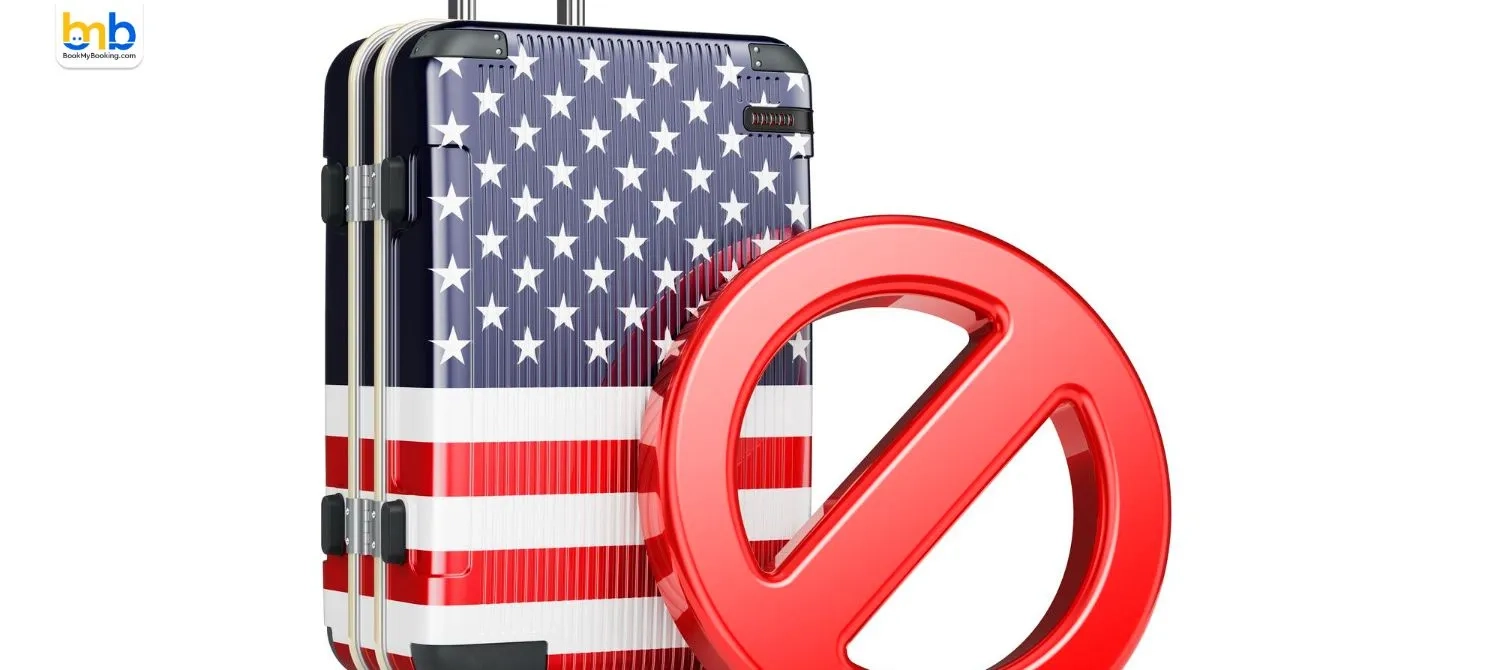
The United States has greatly broadened its travel ban policy by adding 20 more countries and individuals with travel documents issued by the Palestinian Authority to the list of countries that are prohibited from entering the US. The expanded ban will take effect at 12:01 a.m. Eastern Time on January 1, 2026, marking one of the most sweeping changes to US entry rules in recent years.
The updated restrictions build on a travel ban first introduced in June 2025, which already targeted 19 countries with full or partial limitations on visas. Under the new proclamation, the United States will limit — and in many cases bar — entry for nationals from a total of 39 countries, broadly affecting citizens from parts of Africa, the Middle East, Asia and the Caribbean.
Full Entry Ban
Nationals from several countries will now be fully banned from obtaining both immigrant and non-immigrant visas to the United States:
- Newly added: Burkina Faso, Mali, Niger, South Sudan, Syria
- Continuing from previous restrictions: Afghanistan, Chad, Republic of the Congo, Equatorial Guinea, Eritrea, Haiti, Iran, Libya, Somalia, Sudan and Yemen
- Upgraded restrictions: Laos and Sierra Leone have been moved from partial restrictions to full bans
- New category: People with travel documents issued by the Palestinian Authority will also be barred from entering the US under the full ban.
Partial Entry Restrictions
In addition, citizens from about 19 other countries will face partial restrictions — meaning they may be barred from certain immigrant and common non-immigrant visas such as B-1/B-2 (tourist/business), F (student), M (vocational), and J (exchange visitor) unless specific exemptions apply. These countries include:
Angola, Antigua and Barbuda, Benin, Côte d’Ivoire, Dominica, Gabon, Gambia, Malawi, Mauritania, Nigeria, Senegal, Tanzania, Tonga, Zambia and Zimbabwe, along with countries previously under partial restrictions such as Burundi, Cuba, Togo and Venezuela.
Impact and Exceptions
The expanded travel ban targets travellers who are outside the United States on January 1, 2026 and do not hold valid US visas at that time. Individuals already in the United States, lawful permanent residents, dual nationals entering on non-restricted passports, and certain diplomatic or national-interest exceptions remain largely unaffected.
While the White House frames the policy as a measure aimed at national security and improved screening for entry, critics say the broad nature of the restrictions could disrupt tourism, education, business travel and family visits and strain diplomatic relations with affected countries.
Broader Context
The action, which coincides with a number of more general regulations that tighten US entrance requirements, represents a significant extension of travel and immigration controls. According to experts, the increased ban will be keenly monitored for its impact on international students, cross-border business, global mobility, and bilateral relations with countries that are now subject to restrictions.
#bookmybooking #news #travelban #travelrestrictions #usatravelban