

Introduction
In today's competitive business landscape, attracting top talent is only half the battle; keeping employees motivated, travel and productive is the real challenge. Traditional rewards like bonuses, gift cards, and annual appraisals still hold value, but companies are increasingly realizing that experiences leave a much deeper and longer-lasting impact than material rewards.
This shift has led organisations worldwide to invest in productivity travel that recognises and celebrates employee achievements with unforgettable travel experiences. From luxurious beach resorts and adventure retreats to cultural city escapes and team-building expeditions, incentive travel has become one of the most effective ways to inspire high performance and strengthen workplace relationships.
Unlike cash rewards, which often get spent on everyday expenses, travel creates memories that employees cherish for years. These experiences foster stronger emotional connections between employees and their organisations, resulting in increased loyalty, enhanced collaboration, and improved workplace satisfaction.
This is where reward psychology plays a significant role. Human beings naturally value experiences that provide emotional fulfilment, personal growth, and recognition. A thoughtfully planned travel reward satisfies these psychological needs while encouraging employees to perform at their best consistently.
Today, organisations across industries from technology and finance to healthcare, hospitality, manufacturing, and retail are embracing corporate travel incentives as a strategic investment rather than an optional employee perk. Companies that understand the long-term benefits of incentive travel are witnessing measurable improvements in productivity, retention, innovation, and workplace culture.
In this comprehensive guide, we'll explore how incentive travel transforms workplace performance, why it works from a psychological perspective, and how businesses can design effective travel reward programs that deliver lasting results.
What Is Incentive Travel?
Incentive travel benefits are performance-based reward programs in which companies offer fully or partially sponsored travel experiences to employees, sales teams, distributors, or business partners who achieve predefined goals or reach exceptional performance milestones.
Unlike business travel, which centres on meetings, conferences, or client visits, incentive travel focuses on recognition, appreciation, relaxation, and memorable experiences.
These trips may include:
- Luxury beach vacations
- International city tours
- Adventure holidays
- Wellness retreats with employee motivation travel
- Cruise vacations
- Desert safaris
- Wildlife expeditions
- Cultural exploration tours
- Luxury resort stays
- Team-building retreats
Rather than viewing these trips as expenses, organisations increasingly recognise them as strategic investments that directly contribute to employee engagement and business growth with reward psychology.
Why Experience-Based Rewards Outperform Cash Bonuses
For decades, companies relied heavily on financial incentives to motivate employees. While salary increases and bonuses remain important, research consistently shows that experiences create stronger emotional value than monetary rewards psychology.
Cash bonuses are often absorbed into everyday financial obligations such as rent, groceries, loans, or bills. Within weeks, employees rarely associate that money with their professional achievements.
Travel experiences, however, create anticipation before the trip, excitement during the journey, and cherished memories afterwards with employee motivation travel. Employees frequently share photos, stories, and positive experiences with colleagues, friends, and family, reinforcing their emotional connection with the company.
This emotional attachment significantly influences long-term workplace engagement.
When employees feel genuinely appreciated rather than merely compensated, they become more invested in organisational success.
This demonstrates the power of reward psychology, in which emotional experiences produce greater behavioural changes than financial rewards alone.
Understanding the Science Behind Reward Psychology
To understand why incentive travel works so effectively, it's essential to examine reward psychology.
Reward psychology studies how recognition influences human behaviour, motivation, decision-making, and performance.
Psychologists have long established that positive reinforcement encourages individuals to repeat desirable behaviours.
When employees' productivity travels receive meaningful recognition after achieving goals, their brains release dopamine, a neurotransmitter associated with pleasure, motivation, learning, and achievement.
Travel rewards amplify this response because they combine multiple psychological motivators:
· Recognition
Employees feel valued when their accomplishments are publicly acknowledged through exclusive travel opportunities.
· Achievement
Winning an incentive travel benefit trip provides employees with a sense of accomplishment they remember for years.
· Social Status
Being selected for an exclusive travel experience creates prestige within the workplace, motivating others to perform better.
· Anticipation
Employees' motivation to travel begins to build long before departure, extending its motivational impact over several months.
· Memory Formation
Unlike material gifts, travel creates vivid emotional memories that strengthen loyalty toward the organisation.
Because of these psychological factors, incentive travel becomes much more than a reward psychology; it becomes a powerful motivational strategy.
How Incentive Travel Changes Employee Mindsets
One of the greatest advantages of corporate travel incentives is the shift they create in employee thinking.
Instead of focusing solely on completing tasks, employees' motivation to travel begins working toward meaningful goals associated with exciting experiences.
This subtle shift transforms workplace motivation from obligation to aspiration.
Employees often become:
- More proactive
- More collaborative
- More goal-oriented
- More innovative
- More customer-focused
- More resilient during challenges
As motivation increases, organisations experience measurable improvements in workplace performance.
This explains why employee motivation travel programs have become increasingly popular among leading global companies.
The Top Incentive Travel Benefits for Businesses
Organisations that implement well-designed travel incentive programs often experience benefits that extend far beyond employee satisfaction.
Let's examine the most significant benefits of incentive travel.
1. Higher Employee Engagement
Engaged employees are emotionally committed to their work. Instead of simply completing assigned responsibilities, they actively contribute ideas, solve problems, and help teammates succeed. Travel incentive benefits create excitement around organisational goals, encouraging employees to stay invested throughout the year.
Higher engagement often results in:
- Better customer service
- Stronger teamwork
- Increased innovation
- Lower absenteeism
- Higher productivity
2. Improved Employee Retention
Employee turnover remains one of the highest hidden costs for businesses.
Replacing experienced professionals requires recruitment, onboarding, training, and productivity adjustments. Organisations that recognise achievements through memorable travel experiences build stronger emotional loyalty. Employees become less likely to seek opportunities elsewhere because they feel appreciated beyond financial compensation. This makes incentive travel benefits a valuable long-term retention strategy.
3. Better Team Collaboration
Many incentive trips include group activities that strengthen interpersonal relationships.
Away from workplace pressures, employees interact naturally during:
- Adventure sports
- Cultural excursions
- Team-building games
- Networking dinners
- Outdoor activities
- Group sightseeing
These shared experiences improve communication, trust, and collaboration once employees return to work. Departments that previously operated independently often develop stronger cross-functional relationships as per productivity travel.
4. Increased Goal Achievement
When travel rewards are tied to measurable objectives, employees gain a clear reason to exceed expectations.
Whether the goal involves:
- Sales performance
- Customer satisfaction
- Project completion
- Innovation
- Leadership development
- Productivity improvements
Employees remain consistently focused on achieving targets.
This alignment between psychological rewards and organisational objectives creates stronger business outcomes.
5. Stronger Company Culture
Recognition plays a crucial role in shaping workplace culture.
Organisations that celebrate achievements create environments where employees feel respected, motivated, and connected.
Travel incentive programs demonstrate that leadership values hard work and exceptional performance.
Over time, this culture of appreciation spreads throughout the organisation, encouraging continuous improvement.
A positive workplace culture also enhances employer branding, making it easier to attract top talent with employee motivation travel.
Employee Motivation Travel: Why It Works Better Than Traditional Rewards
Many organisations are replacing conventional recognition programs with employee motivation travel because travel satisfies multiple human needs simultaneously.
Employees gain:
- Recognition
- Adventure
- Relaxation
- Personal growth
- Social interaction
- New experiences
- Family memories (when companions are included)
Unlike physical rewards that gradually lose value, travel experiences become stories that employees continue to share for years.
This emotional impact reinforces workplace motivation long after the trip ends.
Furthermore, employees who return refreshed often demonstrate:
- Higher creativity
- Improved focus
- Better communication
- Increased confidence
- Greater enthusiasm for new projects
These improvements contribute directly to long-term organisational success.
How Productivity Travel Improves Corporate Performance
In an era when employee burnout and disengagement are common workplace challenges, organisations are looking beyond traditional incentives to sustain consistent performance. One of the most effective strategies is productivity travel, in which travel experiences are linked to performance goals and business outcomes.
Unlike routine business trips, productivity travel focuses on rewarding achievement while helping employees recharge mentally and emotionally. When employees return from a meaningful travel experience, they often feel refreshed, energised, and more committed to their work.
Improved Creativity and Innovation
New environments stimulate the brain.
Whether exploring a bustling city, relaxing on a tropical island, or experiencing a different culture, travel exposes individuals to fresh ideas and perspectives.
Many organisations notice that employees returning from incentive trips contribute:
- Innovative solutions
- Creative marketing ideas
- Improved customer service approaches
- Better collaboration techniques
This is one reason productivity travel has become a valuable investment for companies that rely on innovation.
Better Team Relationships
Many incentive trips involve group experiences such as:
- Adventure activities
- Cultural tours
- Team-building exercises
- Networking dinners
- Collaborative games
These shared experiences help colleagues build trust outside the workplace.
When employees return to the office, communication becomes smoother, conflicts decrease, and teamwork improves significantly due to productivity travel.
Leadership Development Through Incentive Travel
Many organisations use travel incentives not only to reward top performers but also to nurture future leaders.
Leadership retreats often include:
- Strategy workshops
- Executive mentoring
- Networking opportunities
- Problem-solving challenges
- Outdoor leadership activities
These experiences strengthen:
- Decision-making
- Emotional intelligence
- Communication
- Confidence
- Strategic thinking
Employees who are motivated to travel and feel invested are more likely to take ownership of organisational goals.
The Business ROI of Incentive Travel
Many executives initially question whether travel rewards justify their cost.
However, when evaluating return on investment, companies should prioritise long-term gains over short-term expenses.
Reduced Employee Turnover
Replacing an experienced employee can cost significantly more than rewarding them.
Recruitment expenses include:
- Hiring costs
- Training
- Onboarding
- Reduced productivity
- Lost organizational knowledge
One of the most valuable benefits of incentive travel is increased employee retention.
Higher Sales Performance
Sales teams are among the biggest beneficiaries of incentive travel.
When exciting travel experiences are tied to sales targets, representatives become more motivated to exceed quotas.
Friendly competition often leads to:
- Increased revenue
- Better customer relationships
- Improved client retention
- Higher conversion rates
Many companies report noticeable sales growth after implementing annual incentive travel programs.
Stronger Employer Brand
Organisations known for recognising employees through memorable experiences often attract higher-quality talent.
Today's professionals value workplace culture as much as compensation.
Offering travel incentives demonstrates that a company values employee well-being and success.
Real-World Examples
Across industries, organisations have embraced incentive travel to drive performance.
Examples include:
- Technology companies rewarding innovation teams with international retreats.
- Financial firms offering luxury vacations for top-performing advisors.
- Hospitality businesses recognise exceptional customer service teams.
- Manufacturing companies rewarding production milestones.
- Healthcare organisations celebrating outstanding achievements in patient care.
While destinations vary, the objective remains the same: recognise excellence through unforgettable experiences.
Destinations for Corporate Incentive Travel
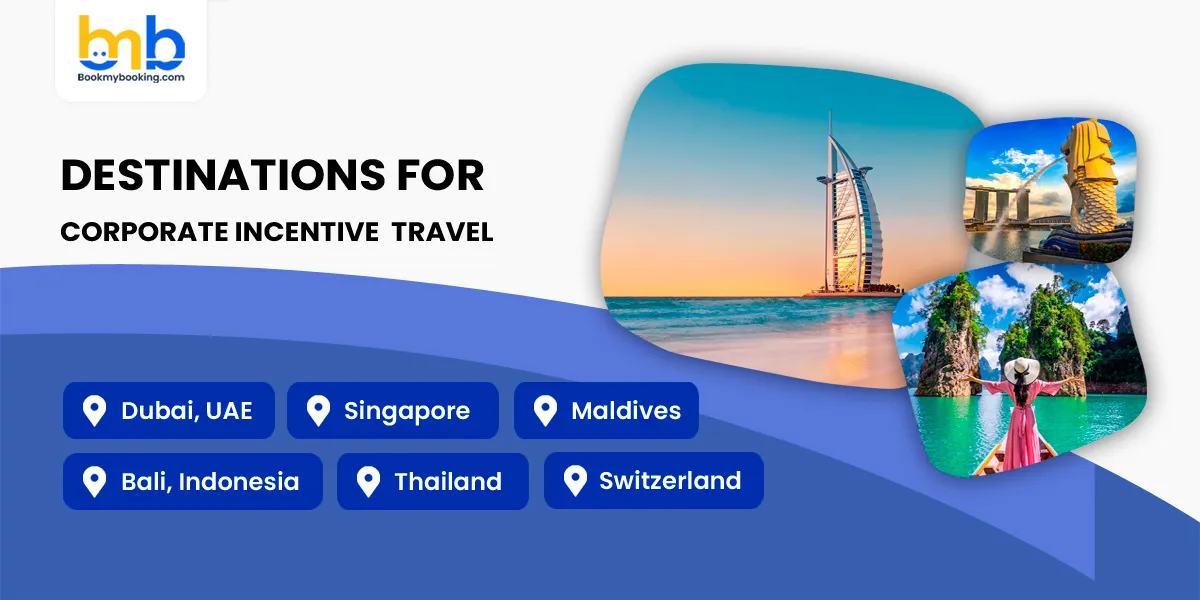
Choosing the right destination plays a major role in the success of an incentive program.
Popular choices include:
· Dubai, UAE
Dubai combines luxury, adventure, shopping, fine dining, desert safaris, and world-famous attractions, making it ideal for rewarding high-performing teams.
· Singapore
Known for its modern infrastructure, safety, and vibrant city life, Singapore offers a perfect mix of business and leisure.
· Bali, Indonesia
Bali is a favourite destination for wellness retreats, leadership programs, and team-building activities.
· Thailand
Thailand offers beautiful beaches, cultural experiences, luxury resorts, and affordable group travel options.
· Switzerland
Ideal for premium executive rewards, Switzerland provides breathtaking scenery, luxury hospitality, and unforgettable experiences.
· Maldives
For exclusive recognition, few destinations match the Maldives' luxury and tranquillity.
Employee Well-Being Matters
Employee wellness has become a strategic priority for organisations worldwide.
Travel contributes to well-being by encouraging:
- Better mental health
- Reduced anxiety
- Improved work-life balance
- Physical activity
- Social interaction
- Quality rest
When employees feel healthier and happier, overall organisational performance improves naturally.
Measuring Success
Organisations should evaluate incentive travel programs using measurable KPIs such as:
- Employee engagement scores
- Sales growth
- Productivity metrics
- Employee retention
- Customer satisfaction
- Goal completion rates
- Internal promotion rates
Tracking these indicators helps businesses continuously improve future travel programs.
Ultimately, productivity travel is not simply about offering a vacation—it is about creating a motivated, engaged, and high-performing workforce that contributes to sustainable business growth.
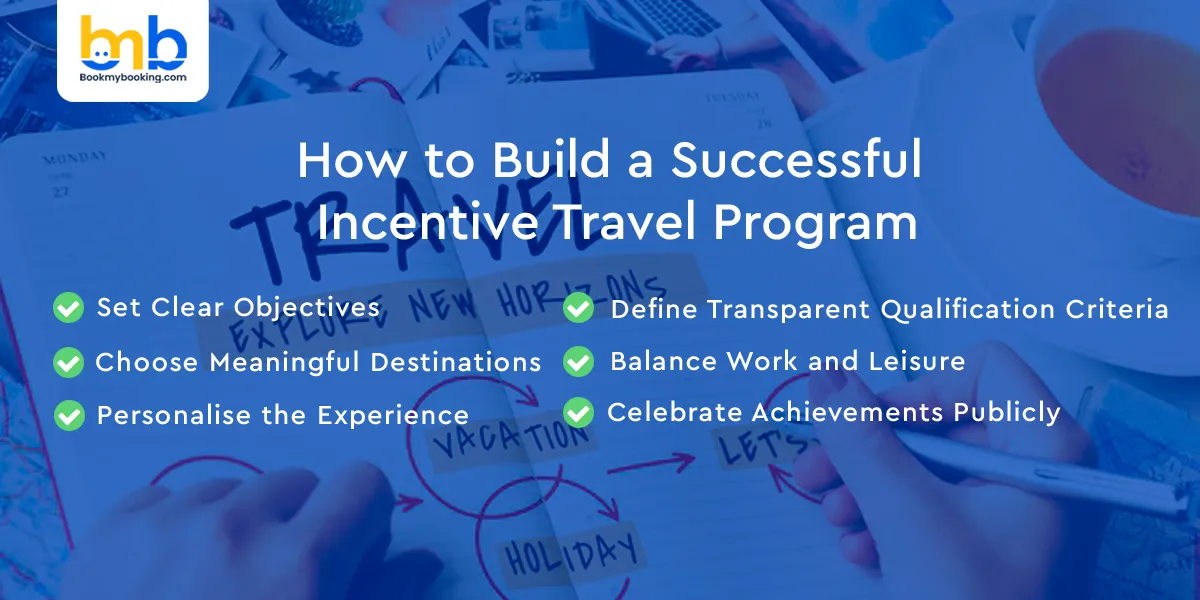
How to Build a Successful Incentive Travel Program
An effective incentive travel program requires careful planning and alignment with business objectives. The goal is to inspire employees while ensuring the investment delivers measurable returns.
Set Clear Objectives
Begin by identifying what you want to achieve.
Objectives may include:
- Increasing sales
- Improving customer satisfaction
- Enhancing employee engagement
- Reducing turnover
- Recognizing leadership
- Encouraging innovation
Clear goals make it easier to measure success.
Define Transparent Qualification Criteria
Employees should clearly understand:
- Performance expectations
- Eligibility requirements
- Timeframes
- Evaluation methods
- Rewards included
Transparency builds trust and encourages healthy competition.
Choose Meaningful Destinations
The destination should reflect the significance of the achievement.
Factors to consider include:
- Budget
- Accessibility
- Group size
- Activities
- Safety
- Cultural experiences
- Accommodation quality
Offering employees a memorable experience significantly enhances the overall employee motivation travel program.
Balance Work and Leisure
Some organisations include:
- Leadership workshops
- Team-building sessions
- Networking events
alongside leisure activities.
However, employees should still have enough free time to relax and enjoy the destination.
Finding the right balance maximises the experience.
Personalise the Experience
Personalisation increases emotional impact.
Consider offering:
- Adventure options
- Wellness experiences
- Cultural excursions
- Family-friendly activities
- Luxury dining
- Local entertainment
Employees appreciate rewards tailored to their interests.
Celebrate Achievements Publicly
Recognition should not begin only during the trip.
Celebrate winners through:
- Company meetings
- Internal newsletters
- Social media
- Award ceremonies
Public recognition reinforces reward psychology by making achievement visible and inspiring others to excel.
Common Mistakes to Avoid
Even well-funded programs can fail without proper planning.
Avoid these common mistakes:
Unclear Goals
Employees cannot stay motivated if qualification requirements are confusing.
One-Size-Fits-All Rewards
Different employees have different interests.
Offering flexible experiences creates greater satisfaction with productivity travel.
Ignoring Employee Feedback
Gather feedback after each trip.
Understanding what employees enjoyed helps improve future programs.
Focusing Only on Top Performers
While rewarding psychological excellence is important, companies should also recognise:
- Most improved employees
- Team achievements
- Innovation
- Customer service
- Leadership
Inclusive recognition strengthens workplace morale.
Poor Communication
Employees' motivation travel should receive regular updates regarding:
- Progress
- Qualification status
- Deadlines
- Destination details
Frequent communication maintains excitement throughout the program.
The Future of Incentive Travel
Corporate travel incentives continue evolving.
Emerging trends include:
Sustainable Travel
Companies increasingly choose environmentally responsible hotels, local experiences, and eco-friendly transportation.
Wellness-Focused Programs
Yoga retreats, mindfulness sessions, spa experiences, and nature-based activities are becoming popular additions.
Personalized Rewards
Organisations are moving away from identical itineraries and toward offering customised travel experiences.
Bleisure Travel
Many employees extend business or incentive trips for personal leisure, creating even greater satisfaction.
Technology Integration
Digital platforms now help companies:
- Track performance
- Manage travel logistics
- Monitor budgets
- Collect employee feedback
- Measure ROI
Technology makes incentive travel programs more efficient than ever.
How to Build a Successful Incentive Travel Program, Future Trends
How to Build a Successful Incentive Travel Program
Designing a successful incentive travel program involves more than simply booking flights and hotels. The most impactful programs align with company goals, employee aspirations, and measurable business outcomes. A thoughtfully planned program ensures that employees remain motivated from the moment the incentive is announced until long after they return from their trip.
Set Clear Business Objectives
Before launching an incentive travel program, identify the outcomes you want to achieve. Your objectives will determine the program structure, qualification criteria, and destination.
Common objectives include:
- Increasing annual sales
- Improving customer satisfaction scores
- Boosting employee engagement
- Reducing employee turnover
- Encouraging innovation
- Rewarding project excellence
- Strengthening leadership skills
When employees understand exactly what they are working toward, they are more likely to stay focused and committed.
Define Transparent Qualification Criteria
One of the biggest reasons incentive programs fail is unclear communication.
Employees should know:
- Performance targets
- Eligibility requirements
- Evaluation timeline
- Selection process
- Trip inclusions
- Travel dates
Transparency creates trust and ensures everyone has an equal opportunity to qualify.
Personalise the Experience
No two employees are the same with productivity travel.
Offering personalised experiences increases the emotional value of the reward.
Examples include:
- Adventure excursions
- Spa treatments
- Golf experiences
- Cultural tours
- Fine dining
- Family-friendly options
- Local workshops
- Luxury upgrades
Personalisation significantly enhances employee motivation for travel initiatives because employees feel their individual preferences matter.
Balance Work and Leisure
Some companies combine business development with relaxation.
Examples include:
- Leadership workshops
- Executive networking sessions
- Innovation brainstorming
- Team-building activities
However, the majority of the itinerary should remain focused on enjoyment and relaxation.
Employees should return feeling refreshed, not exhausted.
Celebrate Achievements Publicly
Recognition should begin before the trip.
Celebrate winners through:
- Award ceremonies
- Internal newsletters
- Company intranet
- LinkedIn announcements
- Team meetings
Public recognition strengthens reward psychology, inspiring other employees to strive for future incentive opportunities.
Wellness Retreats
Employee motivation to travel for well-being has become a business priority.
Popular wellness experiences include:
- Yoga retreats
- Meditation sessions
- Nature escapes
- Spa therapies
- Fitness programs
- Digital detox vacations
These trips help employees reduce stress while improving overall health.
Bleisure Travel
Bleisure combines business with leisure, promoting productive travel.
Companies often allow employees to extend incentive trips for personal vacations with family members.
This flexibility increases satisfaction and the overall value of the reward.
Technology-Driven Programs
Modern incentive travel platforms now help organisations:
- Track employee progress
- Monitor qualification status
- Manage travel logistics
- Collect participant feedback
- Measure ROI
- Analyse engagement data
Technology makes travel incentive benefits more efficient and data-driven than ever before.
Personalised Travel Rewards
Instead of offering identical itineraries, many companies now provide employees with destination or activity options for employee-motivation travel.
Examples include:
- Beach holidays
- Adventure tours
- Luxury cruises
- Cultural vacations
- Wildlife safaris
- Wellness retreats
Personalised rewards create stronger emotional connections.
Why Reward Psychology Makes Incentive Travel So Powerful
Understanding reward psychology explains why travel consistently outperforms traditional rewards.
Unlike cash bonuses, travel provides emotional experiences that employees remember for years.
Travel rewards satisfy several psychological needs simultaneously:
- Recognition
- Achievement
- Appreciation
- Adventure
- Belonging
- Personal growth
These emotional memories strengthen employees' connection with their organisation.
As a result, employees remain motivated long after the trip concludes.
This emotional impact is one of the greatest benefits of incentive travel, making it a strategic investment rather than simply an employee perk.
Conclusion
Today's workforce seeks more than competitive salaries; they want meaningful recognition, memorable experiences, and employers who genuinely value their contributions. Incentive travel delivers on all three.
The long-term incentive travel benefits extend far beyond rewarding top performers. Companies that invest in experiential recognition often see higher engagement, stronger collaboration, improved retention, enhanced creativity, and better overall business performance.
Through thoughtfully designed employee motivation travel programs, organisations foster a culture where achievement is celebrated, relationships are strengthened, and employees feel inspired to reach new levels of success.