

The Rise of Reward Travel in Modern Work Culture
In today’s fast-evolving corporate world, employee motivation and engagement are critical drivers of organisational success. Companies are constantly seeking innovative strategies to enhance productivity, boost morale, and foster loyalty among their workforce. While traditional rewards, such as cash bonuses, promotions, and material gifts, have long been used to recognise performance, a new trend has emerged as a powerful motivator: reward travel impact.
Reward travel, also known as incentive travel, refers to company-sponsored trips offered to employees, partners, or clients as a reward for achieving specific goals or milestones. These travel experiences range from luxury vacations and adventure retreats to cultural explorations and team-building getaways. However, beyond the surface-level appeal of travel lies a deeper psychological impact that makes incentive travel far more effective than conventional incentives.
This blog explores the psychology behind reward travel, its impact on motivation and performance, and how organisations can transform simple incentives into meaningful inspiration that drives long-term success.
Understanding Reward Travel: More Than Just a Perk
Reward travel is not merely a leisure benefit; it is a strategic tool that influences behaviour, reinforces positive performance, and creates lasting emotional connections between employees and organisations, promoting motivation science.
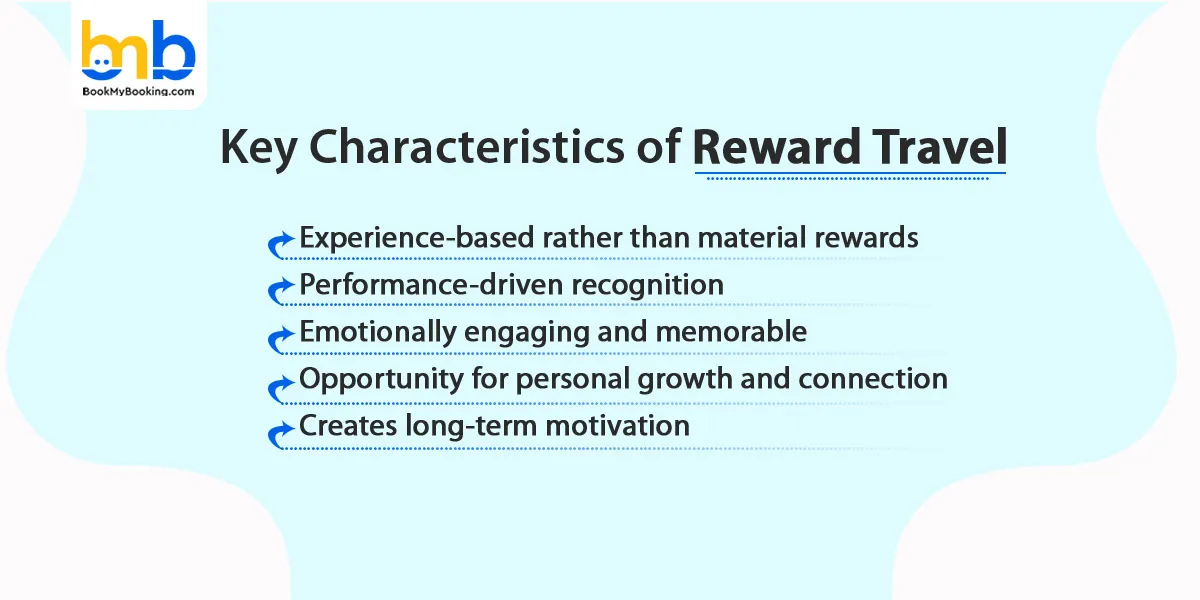
Unlike cash incentives, which are often absorbed into routine expenses and quickly forgotten, travel experiences create lasting memories. These memories strengthen emotional engagement and reinforce the value of achievement in reward psychology.
The Psychology Behind Reward Travel
To understand why reward travel is so powerful, we must examine the psychological principles that drive human motivation and behaviour.
Experiential Rewards vs Material Rewards
Research in behavioural psychology consistently shows that experiences bring greater happiness than material possessions. Material rewards impact provide temporary satisfaction, while experiences create lasting emotional memories.
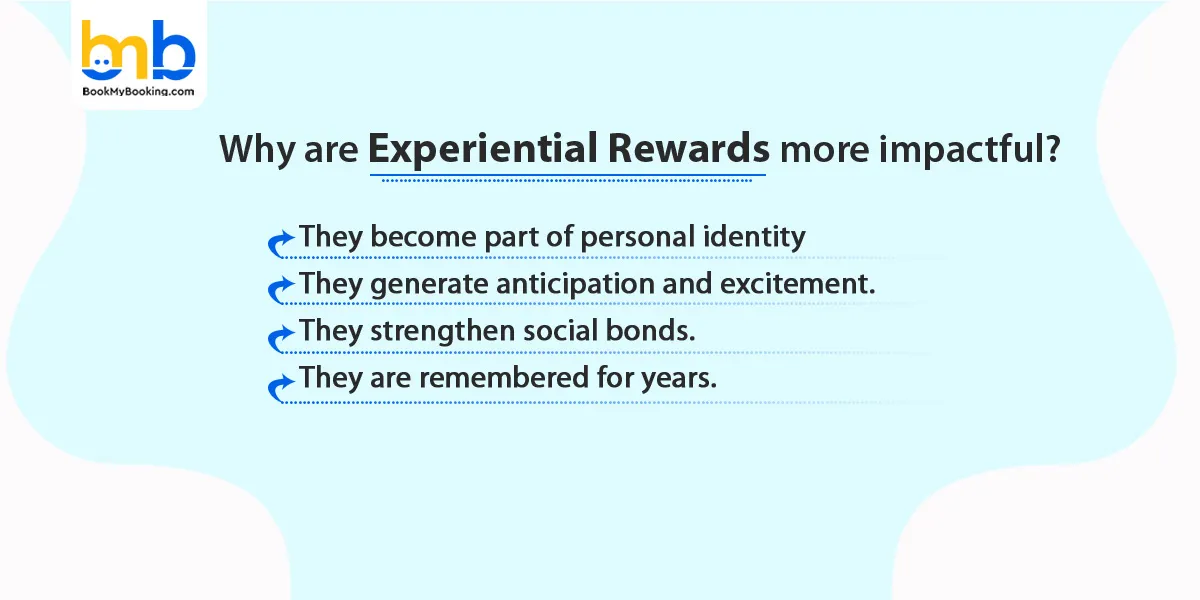
Reward travel impact leverages this psychological advantage by offering experiences that employees value deeply.
The Power of Anticipation
One of the most significant psychological benefits of reward travel is the anticipation effect. The excitement leading up to a trip can motivate employees for weeks or months.
Psychological impact of anticipation:
- Boosts dopamine levels
- Enhances motivation science toward goals
- Increases focus and productivity
- Builds positive emotional energy
Employees often work harder when they visualise a meaningful reward awaiting them.
Emotional Connection and Memory Formation
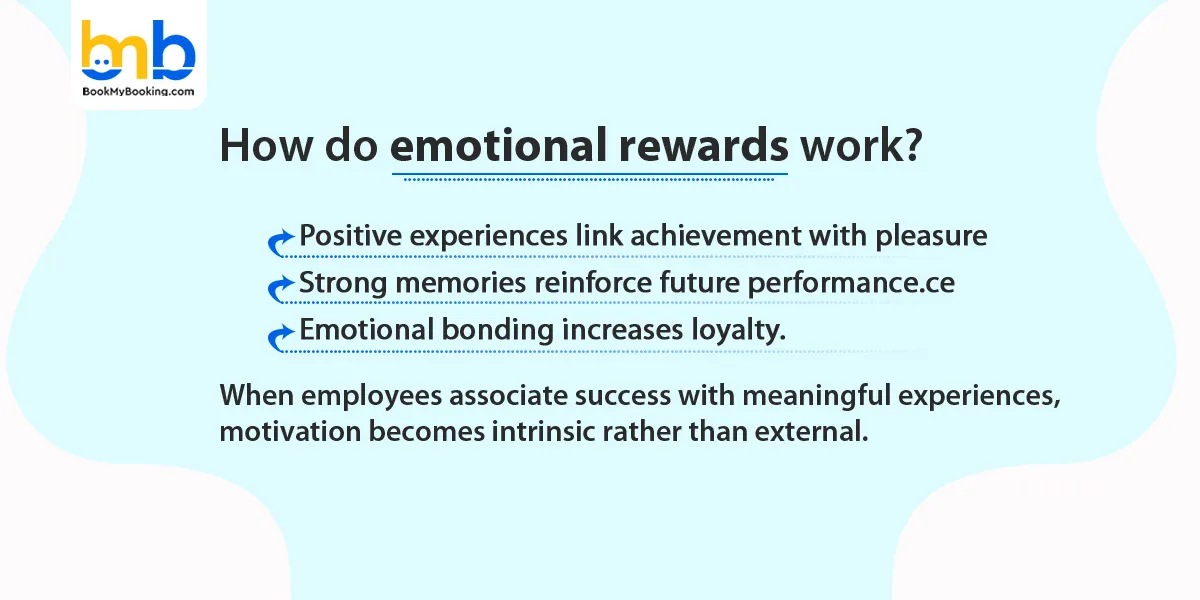
Travel experiences stimulate multiple senses: sight, sound, taste, and emotion, making them highly memorable. Emotional memories create strong neural connections, and the psychology of incentive travel reinforces positive behaviour.
Recognition and Social Status
Humans naturally seek recognition and validation. The reward travel impact acts as a visible acknowledgement of achievement.
Psychological drivers
- Sense of prestige and accomplishment
- Social recognition among peers
- Increased self-esteem
- Validation of effort
Recognition satisfies the psychological need for respect and belonging.
Intrinsic vs Extrinsic Motivation
Traditional psychology of incentives travel relies heavily on extrinsic motivation (external rewards). Reward travel bridges the gap by creating intrinsic motivation through meaningful experiences.
Shift in motivation:
- From “working for money” → “working for purpose and experience”
- From obligation → aspiration
- From short-term effort → long-term engagement
This shift makes reward travel a sustainable motivational strategy.
The Science of Motivation and Reward Travel
Several psychological theories explain why reward travel is effective.
Reward travel addresses multiple levels of Maslow’s hierarchy.
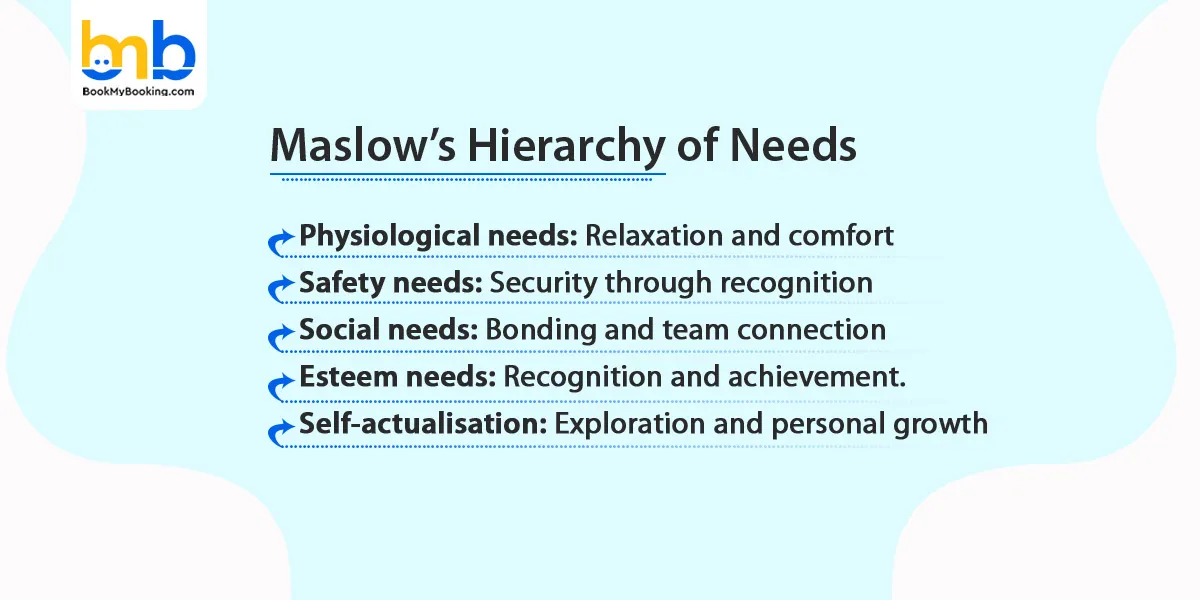
Few rewards satisfy so many needs simultaneously.
Self-Determination Theory
This theory suggests people are motivated by this science by three core needs:
- Autonomy
- Competence
- Relatedness
Reward travel supports all three by providing personal choice, recognising capability, and strengthening social connections.
Behavioural Reinforcement Theory
Positive reinforcement encourages repeated behaviour. When employees associate high performance with rewarding travel impact experiences, they are more likely to maintain productivity.
How Reward Travel Drives Employee Performance
1. Increased Productivity
Employees who work toward meaningful rewards show higher engagement and focus. Travel incentives create clear goals and motivation.
2. Higher Employee Retention
Reward travel strengthens emotional loyalty, reducing turnover and improving workplace satisfaction.
3. Improved Workplace Culture
Shared experiences foster collaboration, trust, and team spirit.
4. Enhanced Creativity and Innovation
The psychology of incentive travel exposes individuals to new environments and perspectives, thereby stimulating creative thinking.
The Emotional Impact of Travel Experiences
1. Personal Growth
Travel encourages learning, adaptability, and confidence.
2. Stress Reduction
Vacation experiences help employees recharge mentally and physically.
3. Sense of Achievement
Earning a trip creates a sense of pride and accomplishment.
4. Long-Term Happiness
Experiences contribute to overall life satisfaction.
Reward Travel and Organisational Benefits
1. Stronger Employer Branding
Companies offering reward travel impact are seen as employee-centric and progressive.
2. Improved Team Cohesion
Group travel strengthens relationships across departments.
3. Better Performance Alignment
Employees align personal goals with company objectives.
4. Competitive Advantage
Attractive incentives help organisations attract top talent.
Designing Effective Reward Travel Programs
For reward travel to be impactful, it must be carefully designed.
1. Clear Goals and Criteria
Employees should understand how to qualify for rewards.
2. Personalisation
Offer choices based on preferences and interests.
3. Meaningful Destinations
Experiences should feel exclusive and memorable.
4. Recognition and Celebration
Public recognition enhances motivation science.
5. Inclusive Opportunities
Programs should inspire participation across all levels.
Types of Reward Travel Experiences
1. Luxury Retreats
High-end destinations offering relaxation and prestige.
2. Adventure Experiences
Activities like safaris, mountain trekking, or water sports.
3. Cultural Explorations
Exposure to new traditions, cuisines, and heritage.
4. Wellness Getaways
Focus on health, mindfulness, and rejuvenation.
5. Team-Building Trips
Strengthening collaboration through shared experiences.
The Role of Corporate Travel Partners
Professional travel partners help organisations design seamless reward impact programs.
Benefits of Travel Management Services
- Customized itineraries
- Logistics management
- Risk and safety planning
- Destination expertise
- Cost optimization
Partnering with experienced providers ensures memorable and stress-free experiences.
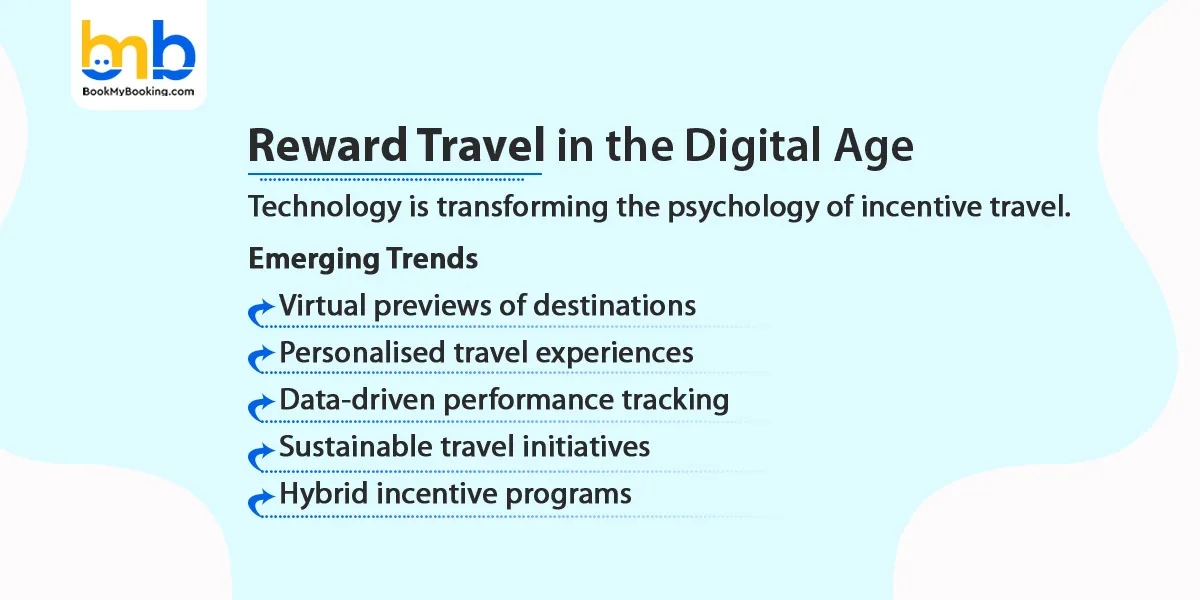
The Future of Reward Travel
The future of reward travel impact will focus on:
- Personalization
- Sustainability
- Wellness-focused experiences
- Cultural authenticity
- Transformational travel
Organisations are moving from transactional rewards to meaningful life experiences.
Potential Challenges and Considerations
Despite its benefits, reward travel requires thoughtful planning.
● Cost Management
Programs must deliver measurable ROI.
● Fairness and Transparency
Clear criteria prevent dissatisfaction.
● Cultural Sensitivity
Global teams require inclusive programs.
● Accessibility
Trips should accommodate diverse needs.
Measuring the Impact of Reward Travel
Organisations can evaluate success through:
- Employee satisfaction surveys and motivation science
- Performance improvements
- Retention rates
- Productivity metrics
- Engagement scores
Tracking results ensures continuous improvement.
Case Example: Transforming Incentives into Inspiration
Consider a company that replaces traditional cash bonuses with performance-based travel experiences. Employees not only work harder but also collaborate more effectively, share memories, and develop stronger loyalty toward the organisation. Over time, the company experiences higher retention, better performance, and a more positive workplace culture.
For example, Google
Challenge was:
- Increase in employee innovation
- Improving motivation science and ownership
- Encouraging creativity beyond regular job roles
- Building breakthrough products continuously
Traditional rewards were not enough; they needed inspiration-driven incentives.
Solution- Google then introduced a unique incentive: Employees could spend 20% of their work time on passion projects outside their main job. This acted as freedom based incentive, a creativity reward, an ownership motivation, innovation culture driver. Employees worked on ideas they believed would benefit the company.
Measurable Results & Impact
Product Innovation
The program led to major products like:
- Google News
- AdSense (later generated ~15% of company revenue in early years)
- Several internal technologies and features
These became billion-dollar business units.
Higher Employee Motivation & Creativity
- Dedicated innovation time increased creativity and engagement.
- Happy employees can be 31% more productive and 3× more creative.
This directly improved company performance.
Long-Term Competitive Advantage
- Continuous long-term innovation pipeline.
- Strong employer brand.
- High employee retention.
- Sustainable business growth.
This illustrates how the psychology of incentive travel transforms simple incentives into lasting inspiration.
How Reward Travel Builds Organisational Loyalty
Loyalty grows when employees feel valued and appreciated. Reward travel impact demonstrates organisational commitment to employee well-being and success.
- Emotional connection- Reward travel creates meaningful emotional experiences that employees associate with their workplace. These positive memories strengthen their connection to the organisation, fostering trust, a sense of belonging, and long-term loyalty. Emotional bonds encourage employees to remain consistently committed, engaged, and motivated toward achieving organisational goals.
- Recognition of effort- Reward travel impact acknowledges employees’ hard work and achievements tangibly and memorably. This recognition boosts self-esteem, validates contributions, and reinforces positive performance. Employees feel appreciated, which increases motivation, enhances job satisfaction, and strengthens their commitment to organisational success and growth.
- Positive work environment: Psychology of Incentive travel contributes to a supportive, motivating workplace culture by rewarding achievements and encouraging collaboration. It promotes appreciation, fairness, and engagement, making employees feel valued. A positive work environment improves morale, strengthens relationships, and encourages productivity, loyalty, and overall organisational commitment among employees.
- Shared experiences- Travel rewards psychology creates shared experiences among employees, fostering stronger relationships, teamwork, and trust. These collective memories enhance communication and collaboration within teams. Shared experiences build a sense of unity and belonging, strengthening employee engagement, improving workplace culture, and effectively promoting long-term organisational loyalty.
- Mental Relaxation
Reward travel provides employees with a break from routine work pressures, allowing them to recharge mentally. Exposure to new environments reduces cognitive fatigue, refreshes the mind, and improves focus. Mental relaxation enhances productivity, creativity, and decision-making abilities, contributing to overall employee well-being and performance.
Work-Life Balance
Psychology of Incentive travel encourages employees to disconnect from daily responsibilities and focus on personal enjoyment and relaxation. It promotes a healthier balance between professional and personal life, reducing burnout. Improved work-life balance enhances job satisfaction, emotional stability, and long-term engagement with organisational responsibilities.
7. Stress Recovery
Travel experiences help employees recover from workplace stress by providing relaxation, leisure activities, and new surroundings. This recovery improves emotional health, reduces anxiety, and restores energy levels. Lower stress enhances concentration, resilience, motivation, science and overall performance, enabling employees to contribute more effectively at work.
8. Positive Mindset
Reward travel generates happiness, excitement, and motivation, encouraging a positive outlook toward work and life. Positive experiences increase confidence, creativity, and enthusiasm. Employees with a positive mindset demonstrate greater engagement, improved problem-solving, and stronger commitment to achieving organisational objectives and personal growth.
Healthy employees contribute more effectively.
Global Perspective on Incentive Travel
Reward travel impact is becoming a global trend across industries, including:
1. Sales Organizations
Sales companies use reward travel to motivate employees to achieve targets and exceed performance expectations. Travel incentives encourage healthy competition, boost productivity, and recognise top performers. These programs improve morale, strengthen team relationships, and drive revenue growth by rewarding measurable business achievements.
2. Technology Companies
Technology firms implement reward travel to inspire innovation, creativity, and collaboration among employees. Travel experiences expose teams to new ideas and global perspectives, enhancing problem-solving abilities. Psychology of Incentive travel programs also improves employee retention, engagement, and workplace satisfaction in highly competitive technology environments.
3. Financial Institutions
Financial organisations use incentive travel to reward high performance, strengthen employee relationships, and encourage goal achievement. Travel programs promote trust, loyalty, and professional recognition. These rewards impact motivate employees to maintain productivity, improve service quality, and contribute to long-term financial and organisational growth.
4. Hospitality Sector
The hospitality industry uses reward travel to motivate staff, enhance service excellence, and recognise outstanding performance. Employees gain exposure to global service standards and customer experiences. These motivation science programs improve professional skills, boost morale, and encourage consistent commitment to delivering exceptional guest satisfaction.
5. Corporate Enterprises
Large corporations implement reward travel programs to increase employee engagement, strengthen team collaboration, and align performance with organisational goals. The psychology of Incentive travel enhances workplace culture, motivates productivity, and supports leadership development. These programs help organisations retain talent and maintain a competitive business advantage.
Its universal appeal lies in the human desire for exploration and recognition.
Sustainability in Reward Travel
Modern programs increasingly focus on responsible travel practices.
1. Eco-Friendly Accommodations
Eco-friendly accommodations minimise environmental reward impact through energy efficiency, waste reduction, and sustainable practices. Organisations choosing such stays demonstrate environmental responsibility while raising employees' awareness. This approach supports conservation efforts, reduces carbon footprints, and aligns corporate travel programs with global sustainability goals.
2. Local Community Support
Reward travel programs that support local communities, contribute to regional economic growth and cultural preservation. Organisations engage with local businesses, artisans, and services, creating positive social impact. This approach promotes responsible tourism, enhances cultural experiences, and effectively strengthens corporate social responsibility initiatives that reward psychology.
3. Carbon Offset Initiatives
Carbon offset initiatives help organisations offset travel-related emissions by investing in environmental projects, such as reforestation or renewable energy. These practices reduce environmental impact, promote sustainability awareness, and demonstrate corporate commitment to climate responsibility while maintaining meaningful employee travel experiences.
4. Ethical Tourism
Ethical tourism ensures travel activities respect local cultures, environments, and communities. It promotes responsible behaviour, fair business practices, and sustainable resource use. Organisations adopting ethical tourism create positive social reward impact, protect cultural heritage, and enhance meaningful, responsible experiences for employees during reward travel programs.
Sustainable travel enhances corporate social responsibility.
Conclusion: Turning Rewards into Lasting Inspiration
Reward travel impact represents a powerful intersection of psychology, motivation, and organisational strategy. By tapping into fundamental human needs for recognition, experience, connection, and growth, it transforms traditional incentives into meaningful inspiration. Unlike material rewards, travel experiences create lasting memories, emotional engagement, and intrinsic motivation. They encourage employees to perform at their best, strengthen workplace relationships, and build long-term loyalty.
As organisations continue to evolve, the psychology of incentive travel will increasingly shape the future of work. Companies that embrace experiential rewards will not only motivate their workforce but also create a culture of inspiration, innovation, and excellence. In the end, reward travel is not just about reaching a destination; it is about inspiring a journey of growth, achievement, motivation, science, and connection.