

Introduction: The Rise of Experience in the Corporate World
In today’s fast-changing professional landscape, the definition of success is evolving, and so is experiential corporate travel. For decades, corporate achievement was measured through traditional rewards such as salary increases, bonuses, promotions, and material perks. While these incentives still matter, organisations are increasingly recognising that modern professionals value meaningful experiences as much as, if not more than, financial compensation.
This shift has given rise to a new concept often described as “travel as a trophy.” Instead of rewarding employees solely with monetary incentives, companies are offering travel experiences, destination-based incentives, and experiential rewards to symbolise recognition and achievement.
In this emerging corporate culture, experiences have become the new currency of motivation, recognition, and engagement. Travel is no longer just a leisure activity; it has become a powerful tool that organisations use to celebrate success, inspire performance, and build stronger teams.
This blog explores why travel experiences are gaining importance in the corporate world and how they are reshaping employee motivation, company culture, and workplace experiential rewards.
The Shift from Material Rewards to Experiential Rewards
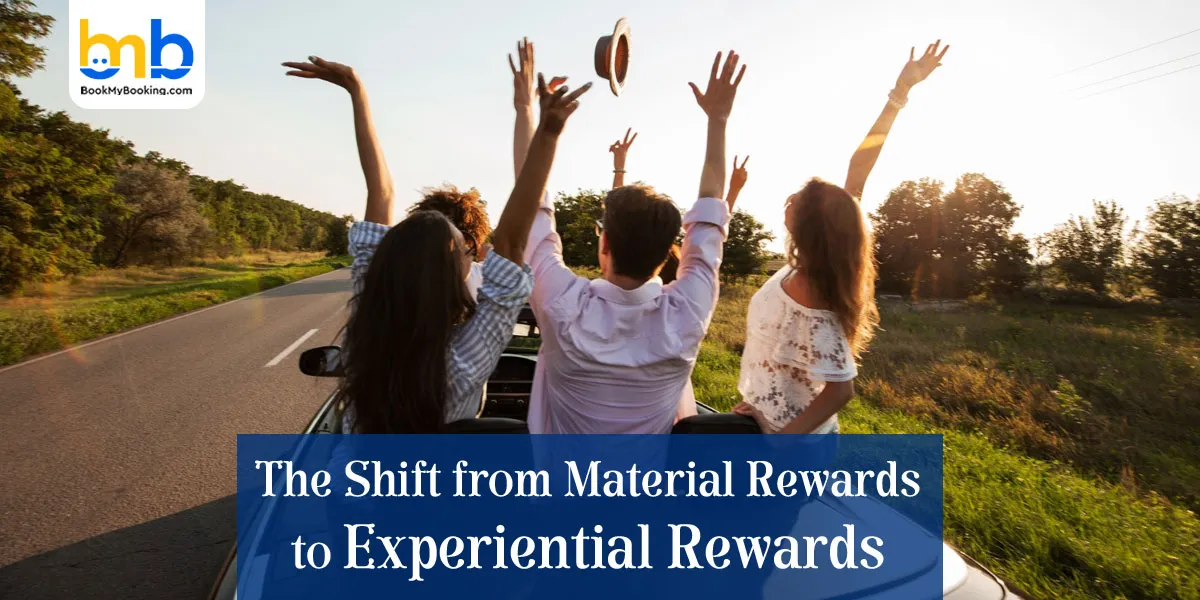
For years, companies relied on traditional incentives such as cash bonuses, gadgets, or luxury items to reward top performers with employee reward culture. However, research and workplace trends suggest that material rewards often have a short-term motivational impact.
Material goods eventually lose their novelty. A bonus may be appreciated in the moment, but it rarely creates a lasting emotional memory. Experiences, on the other hand, stay with people for years.
Travel rewards provide something that money alone cannot buy: memories, personal growth, and emotional connections.
Employees today, especially younger generations like Millennials and Gen Z, value experiences that help them explore the world, learn new cultures, and step outside routine work environments. As a result, companies are recognising that experiential rewards create stronger emotional engagement and deeper appreciation among employees.
What Does “Travel as a Trophy” Mean?

The concept of travel as a trophy refers to rewarding employees with travel opportunities as recognition for exceptional performance or milestones.
These rewards may include:
- Incentive travel programs- Incentive travel programs reward employees or partners for achieving specific business goals. Companies offer exciting travel experiences to motivate high performance. These reward travel programs boost morale, encourage productivity, and strengthen loyalty. Destinations often include popular tourist spots where participants enjoy unique activities, networking opportunities, and memorable experiences beyond regular workplace recognition.
- Luxury retreats for top performers-Luxury retreats recognise outstanding employees by offering exclusive getaways at premium resorts or scenic destinations. These retreats provide relaxation, wellness activities, fine dining, and personalised experiences. Such experiential rewards help top performers unwind, feel valued, and stay motivated while strengthening their connection with the organisation and celebrating their exceptional contributions.
- International team-building trips combine travel with engaging activities designed to strengthen collaboration among employees. Teams explore new cultures, participate in workshops, and enjoy group adventures in global destinations. These trips foster communication, trust, and teamwork while creating memorable experiences that improve workplace relationships and overall organisational productivity via experiential rewards.
- Leadership conferences in exotic destinations-Leadership conferences held in exotic destinations bring together executives and managers for professional development and strategic discussions. Participants attend workshops, keynote sessions, and networking events while experiencing unique locations. These conferences inspire innovation, strengthen leadership skills, and provide a refreshing environment that encourages creative thinking and meaningful collaboration.
- Reward-based vacations for employees and their families-Travel Reward-based allow employees to celebrate achievements with their families through fully or partially sponsored trips. Companies provide memorable holiday experiences in attractive destinations, including accommodation, activities, and entertainment. This approach strengthens employee satisfaction, shows appreciation for their efforts, and helps create lasting positive memories beyond the workplace.
Unlike traditional experiential rewards, these travel experiences symbolise achievement in a visible and memorable way. Just like trophies represent victory in sports, travel rewards represent success in professional environments.
Employees who earn such experiences often feel a strong sense of pride, accomplishment, and recognition.
Why Travel Experiences Are More Valuable Than Material Rewards

Experiences Create Lasting Memories
- One of the biggest advantages of experiential rewards is their long-term emotional impact.
- A physical reward travel may fade into the background of daily life, but a travel experience becomes a story worth sharing. Employees remember the places they visited, the people they met, and the moments they experienced.
- Whether it’s exploring a vibrant city, relaxing on a tropical beach, or hiking in scenic mountains, travel experiences create memories that last far longer than traditional incentives.
- These memories also strengthen the emotional connection between employees and the organisations that made them possible via experiential rewards.
Travel Encourages Personal Growth
Travel exposes people to new cultures, environments, and perspectives. For employees, this exposure can lead to personal development and broader worldviews.
Corporate travel incentives often encourage participants to:
- Experience different cultures
- Step outside their comfort zones
- Learn new ways of thinking
- Develop adaptability and resilience
These experiences contribute to both personal and professional growth, making travel rewards far more meaningful than material perks.
Travel Strengthens Team Relationships
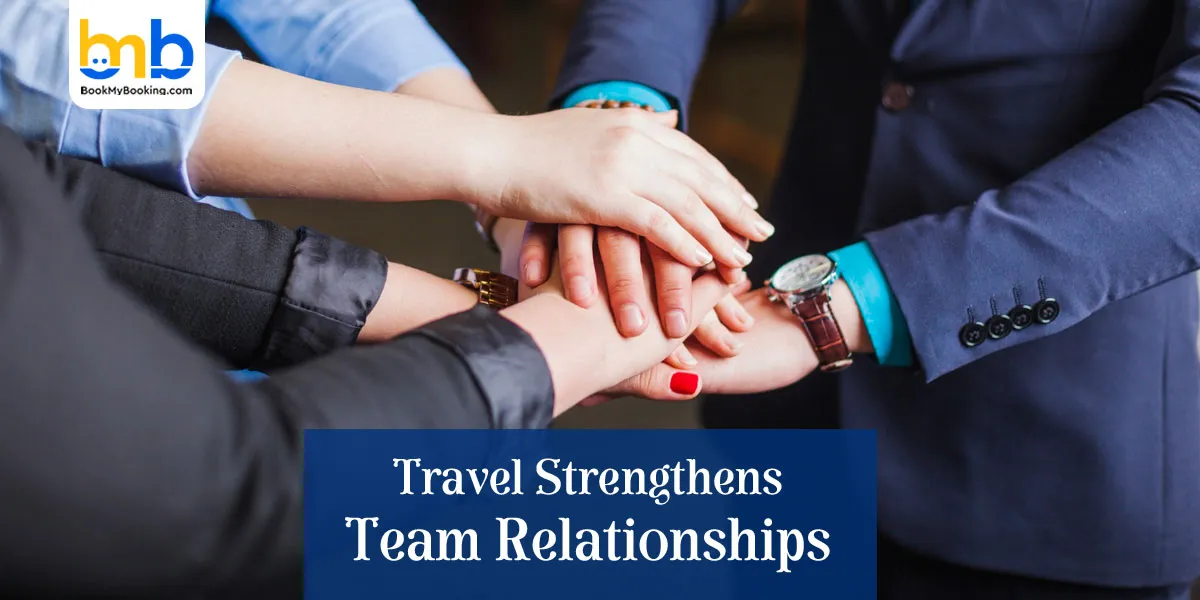
Corporate travel programs often include group experiences such as team retreats, leadership summits, or incentive trips for top-performing teams.
These trips allow colleagues to interact outside of formal office environments. Without the pressure of daily work routines, employees can connect more naturally and build stronger relationships.
Activities such as:
- Adventure experiences
- Cultural tours
- Group dinners
- Collaborative workshops with experiential corporate travel
This helps create stronger bonds between team members.
These connections improve teamwork, communication, and collaboration once employees return to the workplace.
Travel Rewards Improve Employee Motivation

Recognition is a powerful motivator in any organisation. When employees know that outstanding performance can lead to exciting travel opportunities, it creates a strong incentive to excel.
Unlike standard bonuses, travel rewards often feel more exciting and aspirational.
Employees with experiential corporate travel are motivated by the possibility of experiencing:
- A luxury resort getaway
- An international city adventure
- Exclusive corporate retreats
- Unique cultural experiences
These opportunities create a sense of anticipation and inspire employees to perform at their best.
Travel Enhances Employee Loyalty

Organisations that invest in meaningful travel rewards often see higher levels of employee loyalty.
When companies provide memorable travel experiences as recognition, employees feel that their contributions are valued and appreciated. This sense of appreciation strengthens their emotional connection to the company.
As a result, travel incentives can contribute to:
- Higher employee retention
- Stronger workplace satisfaction
- Increased commitment to organisational goals
Employees who feel valued are more likely to remain engaged and dedicated in their roles within an employee reward culture.
The Role of Incentive Travel Programs
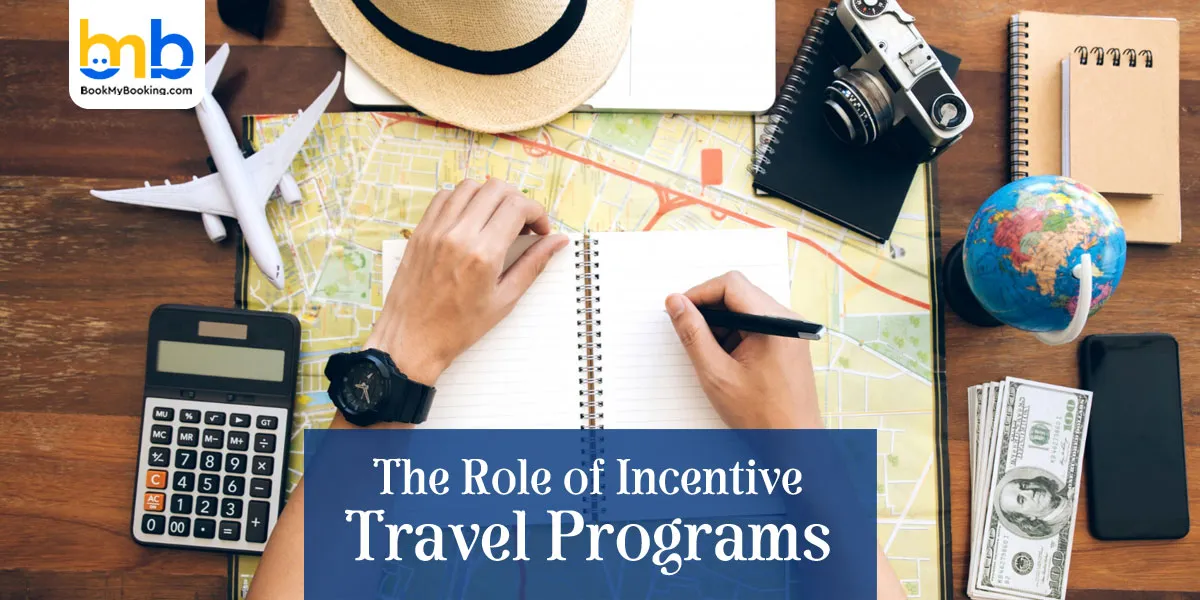
Many organisations are now incorporating incentive reward travel programs into their employee recognition strategies. These programs are designed to reward high-performing employees with exclusive travel experiences.
Typical incentive travel programs may include:
- Sales incentive trips for top performers
- Executive retreats for leadership teams
- International conferences in luxury destinations
- Company-sponsored vacations for milestone achievements
Such programs not only celebrate individual success but also reinforce a culture of excellence within organisations.
Employees often view these trips as prestigious achievements that distinguish top performers from the rest with employee reward culture.
Corporate Travel as a Status Symbol

In the modern workplace, travel rewards often act as status symbols.
- Employees who earn corporate travel incentives are recognised as top contributors within their organisations. These experiences symbolise professional achievement and dedication.
- Unlike financial bonuses, which remain private, travel rewards are often visible and publicly celebrated within organisations. Employees may share their travel experiences through internal communication channels, social media, or company events via reward travel.
- This visibility enhances the prestige associated with such rewards and motivates others to strive for similar recognition.
Travel Experiences and Workplace Culture

Travel rewards also play a significant role in shaping organisational culture.
Companies that prioritise experiential rewards often promote a culture that values:
- Exploration and learning
- Work-life balance
- Employee well-being
- Recognition and appreciation
Such employee reward cultures encourage employees to view their workplace as supportive and rewarding rather than purely transactional.
In turn, this positive culture attracts talented professionals who value meaningful workplace experiences.
The Influence of Millennials and Gen Z

- Younger generations in the workforce have played a major role in the rise of experiential rewards.
- Millennials and Gen Z professionals tend to prioritize experiences over possessions. They value opportunities to travel, explore new cultures, and gain unique life experiences via reward travel.
- For these employees, a travel reward often feels more meaningful than a physical gift or financial bonus.
- Organisations that understand this shift can design reward systems that resonate with modern workforce expectations.
- Travel-based recognition programs are particularly effective in engaging younger professionals and enhancing their workplace satisfaction.
Corporate Retreats and Leadership Development

Travel experiences with experiential corporate travel are also being used as tools for leadership development and strategic collaboration. Corporate retreats provide opportunities for executives and team leaders to step away from daily responsibilities and focus on long-term goals.
These retreats often include:
- Leadership workshops
- Strategy planning sessions
- Team-building exercises
- Cultural experiences
The change of environment encourages creativity, fresh ideas, and innovative thinking. When leaders connect outside traditional office spaces, they often develop stronger trust and alignment with experiential rewards.
The Business Benefits of Travel Rewards
While travel incentives benefit employees, they also provide measurable advantages for organisations.
Increased Productivity
- Employees who feel motivated and appreciated tend to perform better.
Higher Engagement
- Experiential rewards encourage employees to remain actively engaged with company goals.
Stronger Brand Image
Companies known for rewarding employees with unique experiences attract top talent.
Improved Collaboration
Shared reward travel experiences foster teamwork and cross-department relationships.
These benefits make travel incentives a valuable investment for organisations seeking long-term success.
Travel Experiences in the Digital Age
- Social media has amplified the value of experiential rewards.
- Employees who participate in incentive travel programs often share photos and stories from their trips. This content highlights not only the experience but also the organisation that provided it.
- As a result, travel rewards can contribute to employer branding.
- When potential candidates see employees enjoying unique experiences at work, the company gains a reputation as an attractive employer.
- This organic promotion strengthens recruitment and brand perception.
Challenges and Considerations
While experiential corporate travel incentives offer many benefits, organisations must design these programs carefully.
Some important considerations include:
Inclusivity
- Companies should ensure that reward programs are fair and accessible to diverse teams.
Sustainability
- Organisations may need to consider eco-friendly travel options to align with sustainability goals.
Budget Management
- Travel programs should be structured to deliver maximum value without exceeding budgets.
Personal Preferences
- Not every employee may prefer travel, so companies may offer alternative experiential rewards when necessary.
Balancing these factors helps organisations create effective and inclusive recognition programs.
The Future of Corporate Rewards
The trend toward experiential rewards is expected to grow in the coming years.
As workplaces become more dynamic and employee expectations evolve, companies will continue exploring innovative ways to recognise and motivate their teams.
Future corporate reward programs may include:
- Adventure-based incentive trips
- Wellness retreats
- Cultural immersion experiences
- Remote work travel opportunities
These experiences with experiential coprirate travel will continue to reinforce the idea that memories and personal growth are valuable forms of recognition.
Conclusion
The modern workplace is redefining the way success is celebrated. As organisations seek more meaningful ways to recognise employees, travel experiences have emerged as powerful rewards that combine motivation, recognition, and personal growth. “Travel as a trophy” reflects a broader shift toward experience-driven recognition.
Instead of simply rewarding employees with material benefits, companies are offering opportunities to explore the world, build relationships, and create lasting memories with reward travel. These experiences inspire employees, strengthen workplace culture, and enhance organisational loyalty.
In an era where experiences are increasingly valued over possessions, travel has become more than just a reward; it has become a symbol of achievement and a new form of corporate currency. For organisations that want to motivate their workforce and build meaningful connections, investing in travel experiences may be one of the most impactful strategies for the future of work.