

In today’s highly competitive business landscape, companies are constantly seeking smarter ways to motivate team employees, retain top talent, strengthen relationships, and drive measurable performance growth. Traditional bonuses and salary increments alone are no longer enough to inspire long-term engagement. Modern organisations understand that employees seek experiences, recognition, and emotional connection with their workplace.
This is where incentive travel programs have emerged as one of the most powerful business strategies worldwide. From global corporations to fast-growing startups, successful companies are increasingly investing in travel-based rewards to enhance productivity, loyalty, and organisational culture.
Incentive travel programs are not just a reward; it is a strategic investment that delivers tangible business outcomes.
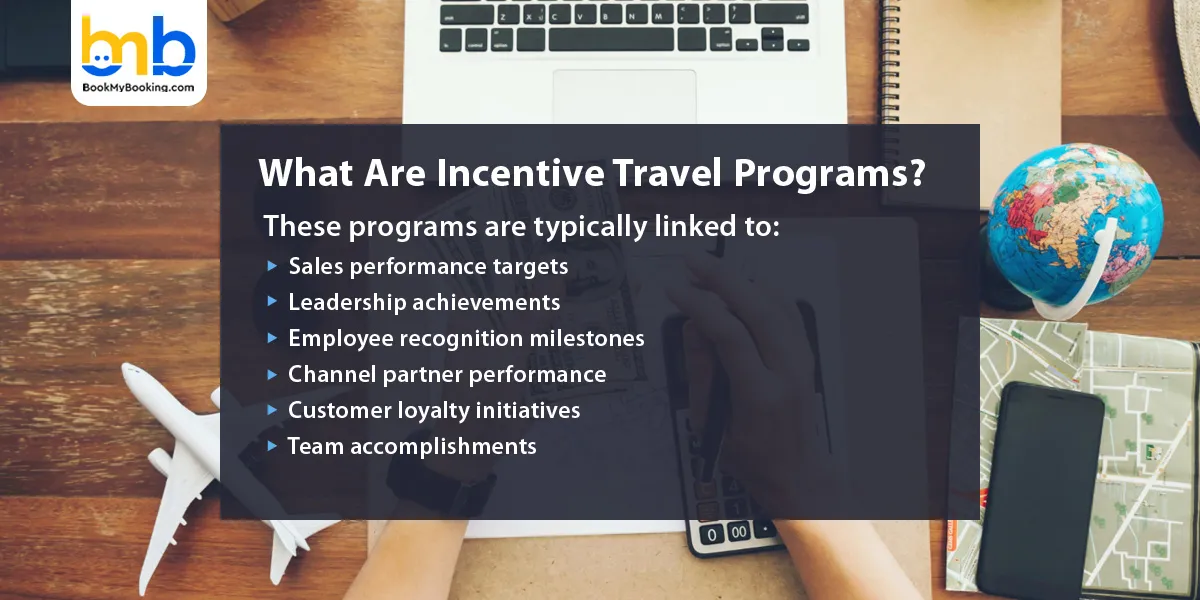
An incentive travel program is a structured corporate reward initiative in which employees, partners, distributors, or clients earn travel experiences based on performance. Instead of cash bonuses, companies offer curated travel experiences such as luxury vacations, international conferences, adventure retreats, or exclusive destination experiences with corporate rewards.
Unlike monetary rewards, incentive travel creates emotional memories, deeper team motivation, and stronger alignment with company goals.
The Psychology Behind Incentive Travel Success
Human motivation is deeply connected to emotional experiences rather than material rewards. Research in behavioural psychology shows that experiences generate longer-lasting happiness compared to financial compensation.
- Experiences Create Emotional Impact
A bonus may be spent quickly and forgotten. A travel experience, of employee performance travel, however, becomes a lifelong memory. Employees associate that experience with the organisation that made it possible.
- Recognition Drives Performance
Employees want to feel valued. Public recognition through incentive travel communicates appreciation at a higher level than standard rewards.
- Anticipation Boosts Productivity
The journey toward earning the reward motivates employees months before the trip even happens. Performance improves throughout the qualification period.
- Social Status Motivation
Winning an incentive trip signals achievement and prestige within an organisation, encouraging healthy competition with corporate rewards.
Why Successful Companies Choose Incentive Travel Over Cash Rewards
Many businesses once relied heavily on financial bonuses. Today, forward-thinking companies increasingly prioritise experiential rewards.
- Emotional vs Transactional Rewards
Cash rewards are transactional; employees perceive them as part of salary expectations. Incentive travel feels extraordinary and personal.
- Higher Perceived Value
A travel experience valued at a certain amount often feels more rewarding than receiving the same amount in cash.
- Stronger Engagement
Travel rewards encourage employees to remain invested in company success rather than viewing performance purely as a financial exchange.
Key Business Benefits of Incentive Travel Programs
Increased Employee Motivation
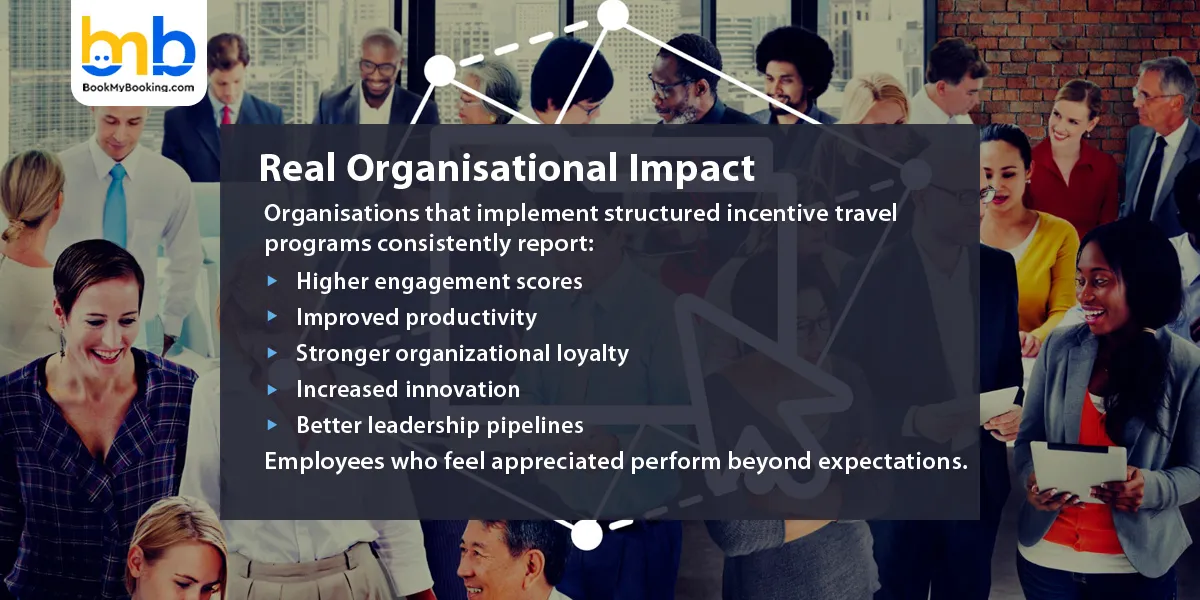
Motivated team employees are the backbone of successful organisations. Incentive travel creates clear performance goals tied to aspirational rewards. Employees work harder because they are pursuing an experience rather than simply meeting minimum expectations.
Companies often see:
- Increased sales performance
- Higher productivity levels
- Improved target achievement rates
Improved Employee Retention
Employee turnover is expensive. Recruitment, onboarding, and training costs can significantly impact business profitability.
Incentive travel programs strengthen emotional loyalty toward the organisation. Employees who feel appreciated are far less likely to leave.
Travel programs help companies:
- Retain high performers
- Reduce attrition rates
- Build long-term workforce stability
Stronger Company Culture
The corporate rewards culture is no longer confined to office walls. Shared travel experiences allow employees and leadership teams to connect on a personal level.
During incentive trips:
- Hierarchies soften
- Collaboration improves
- Communication becomes more natural
Employees return with stronger bonds, translating into better teamwork back at work.
Enhanced Team Collaboration
Travel environments encourage interaction among departments that rarely collaborate in daily operations.
When employees explore destinations together, participate in activities, and share experiences, they develop trust and mutual respect through employee performance travel.
This leads to:
- Faster problem-solving
- Better cross-functional coordination
- Increased innovation
Boost in Sales Performance
Sales-driven organisations particularly benefit from incentive travel programs.
Travel rewards:
- Encourage competitive performance
- Push sales teams beyond targets
- Create excitement around quarterly or annual goals
Companies frequently report double-digit sales growth during incentive qualification periods, driven by team motivation.
Recognition That Truly Matters
Recognition is one of the strongest drivers of employee satisfaction.
An incentive trip communicates:
“Your contribution matters enough for us to celebrate you.”
This level of appreciation enhances morale and workplace satisfaction.
Leadership Development Opportunities
Incentive travel programs often include leadership workshops, networking sessions, and strategic meetings. High-performing employees gain exposure to senior executives, preparing them for future leadership roles. Travel becomes both a reward and a professional development platform.
- Strengthened Client and Partner Relationships
Incentive travel and corporate rewards are not limited to employees. Many companies reward:
- Top distributors
- Channel partners
- VIP clients
- Business collaborators
Hosting partners on exclusive trips strengthens business relationships far more effectively than traditional meetings.
Shared experiences foster trust, loyalty, and long-term collaboration.
The ROI of Incentive Travel Programs
One of the biggest misconceptions is that incentive travel programs are an expense rather than an investment.
Companies measure strong returns through:
- Increased Revenue
Improved performance often generates revenue growth exceeding program costs.
- Productivity Gains
Motivated employees achieve targets faster and more efficiently.
- Reduced Turnover Costs
Retaining talent saves recruitment and training expenses.
- Brand Advocacy
Employees become ambassadors who promote company culture externally.
Many organisations find that incentive travel programs deliver one of the highest ROI levels among HR and engagement strategies of team motivation.
Types of Incentive Travel Programs Companies Use
Individual Incentive Travel
Rewarding top performers individually for exceptional achievements.
- Team Incentive Travel
Entire teams earn trips after achieving collective targets. Team incentive travel rewards entire departments or project teams after successfully achieving shared business goals. These incentive travel programs promote collaboration, unity, and collective accountability. Employees feel motivated to support one another, improving teamwork and productivity while celebrating success together through memorable travel experiences that strengthen workplace relationships and morale.
- Sales Incentive Programs
Focused on driving revenue growth and sales milestones. Sales incentive travel programs motivate sales professionals to exceed revenue targets and performance benchmarks. By offering exciting travel rewards, companies inspire healthy competition and sustained effort throughout sales cycles. These programs boost productivity, increase revenue, recognise top performers, and create enthusiasm that drives consistent achievement across sales teams.
- Executive Retreats
Strategic leadership travel experiences motivate the team to combine relaxation and planning. Executive retreats combine strategic business planning with relaxation in inspiring destinations. Senior leaders step away from daily operations to focus on innovation, leadership alignment, and long-term vision development. These travel experiences strengthen decision-making, enhance collaboration among executives, reduce burnout, and encourage creative thinking, which is essential for organisational growth, through corporate rewards.
- Dealer & Channel Incentives
Travel rewards for business partners who exceed performance benchmarks. Dealer and channel incentive travel programs reward distributors, resellers, or business partners who surpass performance targets. These experiences strengthen partnerships, encourage loyalty, and motivate partners to prioritise a company’s products or services. Incentive Travel corporate rewards help build trust, deepen professional relationships, and drive stronger market performance through engaged partner networks.
- Customer Loyalty Incentives
Exclusive travel experiences designed to strengthen brand loyalty among clients. Customer loyalty incentive travel programs reward high-value clients with exclusive employee performance travel to strengthen long-term relationships. Instead of traditional discounts, companies offer memorable journeys that enhance emotional connection with the brand. These programs increase customer retention, encourage repeat business, and transform loyal customers into brand advocates who promote business growth.
How Incentive Travel Supports Employer Branding
Employer branding plays a crucial role in attracting talent. Organisations that reward employees with global travel experiences become highly desirable workplaces. Incentive travel programs strengthen employer branding by showcasing a company that values recognition and employee experiences. Professionals today prefer organisations offering growth, appreciation, and memorable rewards beyond salary. Travel incentives highlight a positive workplace culture, helping businesses attract high-performing candidates seeking motivation, engagement, and meaningful career opportunities.
Benefits include:
- Enhanced recruitment appeal
- Stronger social media visibility
- Positive employee testimonials
- Increased brand prestige
Top candidates increasingly choose companies that invest in employee experiences via corporate rewards.
The Role of Incentive Travel in Hybrid Work Culture
Remote and hybrid work models have reduced face-to-face interactions. Incentive travel programs help bridge this gap. Travel brings remote teams together physically, strengthening relationships that digital meetings cannot replicate.
Companies use incentive trips to:
- Reconnect distributed teams
- Celebrate achievements collectively
- Reinforce company identity
Incentive Travel and Employee Well-Being
Modern employees prioritise mental health and work-life balance. Incentive travel supports employee well-being by providing relaxation, stress relief, and work-life balance through corporate-rewarding travel experiences. Employees disconnect from routine pressures, recharge mentally and emotionally, and return motivated and refreshed. Such programs enhance happiness, reduce burnout, improve productivity, and foster a healthier, more engaged, and satisfied workforce overall.
Travel experiences provide:
- Stress relief
- Relaxation opportunities
- Work-life rejuvenation
- Personal growth experiences
Employees return energised, focused, and more productive with team motivation.
Technology’s Role in Modern Incentive Travel Programs
Digital innovation has transformed how companies design and manage incentive travel. Technology enhances modern incentive travel programs through digital platforms that track performance, manage rewards, and personalise travel experiences. Mobile apps, gamification tools, and real-time analytics improve engagement and transparency. Automation simplifies planning, communication, and feedback collection, ensuring seamless program management and delivering customised, motivating experiences for participants of employee performance travel.
Today’s programs use:
- Performance tracking dashboards
- Mobile apps for qualification updates
- Personalised travel portals
- Gamification systems
- Real-time engagement analytics
Technology makes programs transparent, motivating, and scalable.
Designing a Successful Incentive Travel Program
Successful companies follow structured planning approaches via corporate rewards.
- Define Clear Objectives
Determine whether the goal is increased sales, retention, or cultural improvement.
- Set Achievable Targets
Goals must be challenging yet attainable to maintain motivation.
- Understand Employee Preferences
Travel experiences should align with participants' interests and demographics.
- Communicate Regularly
Frequent updates keep excitement and engagement high.
- Celebrate Publicly
Recognition amplifies incentive travel program impact.
- Measure Results
Track performance metrics and ROI after the program concludes.
Common Mistakes Companies Should Avoid
Even well-funded programs can fail without proper planning.
Avoid:
- Unclear qualification criteria
- Generic travel experiences
- Lack of communication
- Ignoring employee feedback
- Treating travel as a one-time reward instead of an ongoing strategy
Consistency is key to long-term success with team motivation.
The Future of Incentive Travel Programs
The incentive travel industry continues to evolve rapidly.
Emerging trends include:
- Personalization
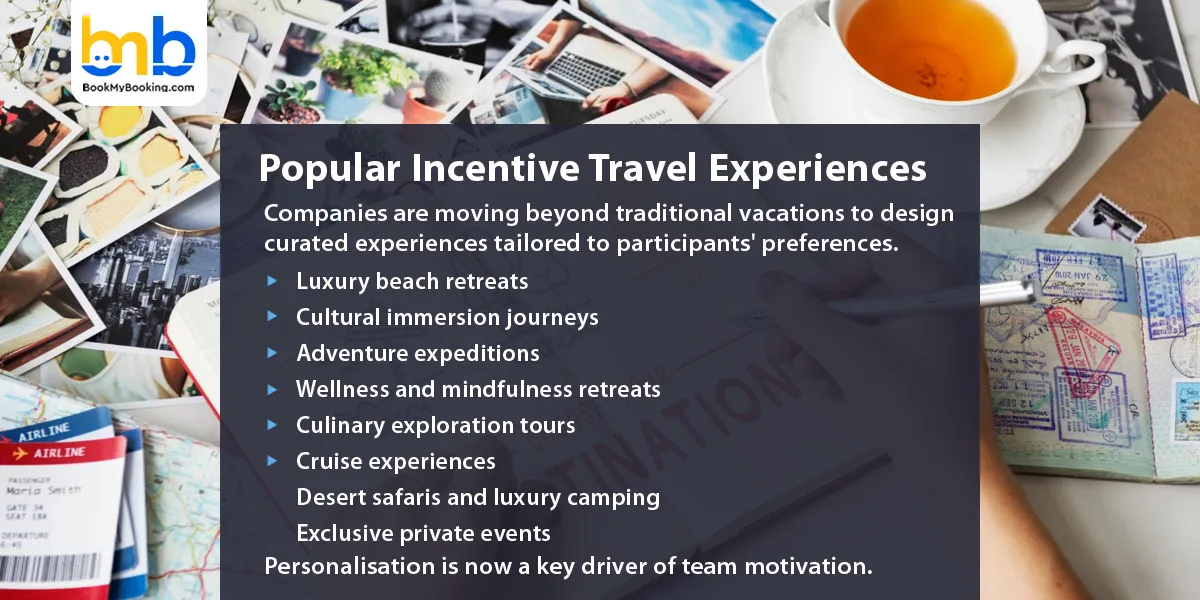
Custom itineraries tailored to individual preferences. Personalisation in incentive travel focuses on designing custom itineraries based on individual interests, travel styles, and preferences. Tailored experiences increase emotional connection, participant satisfaction, and engagement, making corporate rewards more meaningful and memorable.
- Sustainable Travel
Eco-friendly experiences aligned with corporate responsibility goals. Sustainable incentive travel emphasises eco-friendly accommodations, responsible tourism activities, and reduced environmental impact. Companies align travel rewards with corporate social responsibility goals, supporting local communities while promoting environmentally conscious, ethical travel experiences and team motivation.
- Wellness-Focused Trips
Yoga retreats, spa programs, and mindful experiences are gaining popularity. Wellness-focused incentive trips prioritise employee health through yoga retreats, spa therapies, mindfulness sessions, and nature-based activities. These experiences reduce stress, enhance mental well-being, promote balance, and help employees return refreshed, energised, and more productive.
- Bleisure Travel
Combining business and leisure components. Bleisure travel blends business objectives with leisure experiences, allowing participants to extend work trips with relaxation and exploration. This team motivation approach maximises travel value, enhances satisfaction, and creates balanced experiences combining professional engagement and personal enjoyment.
- Experiential Luxury
Unique experiences replace traditional luxury spending. Experiential luxury focuses on unique, once-in-a-lifetime experiences rather than material extravagance. Private cultural tours, adventure activities, and exclusive events replace traditional luxury spending, offering a deeper emotional impact and unforgettable memories that strengthen motivation and brand connection with the team motivation.
Why Incentive Travel Works Better Than Ever Today
Several modern workplace trends make incentive travel more relevant than ever:
- Employees value experiences over possessions
- Remote work requires stronger engagement strategies
- Talent competition is increasing globally
- Workplace culture influences business success
Companies investing in experiential corporate rewards stay ahead in employee satisfaction and performance.
Incentive Travel as a Strategic Business Tool
Forward-thinking companies no longer view incentive travel as an HR initiative alone, but as a program. It has become a cross-functional strategy involving:
- Human resources
- Sales leadership
- Marketing teams
- Executive management
When aligned with business goals, incentive travel becomes a growth engine rather than a reward expense.
The Competitive Advantage of Experience-Driven Companies
Successful organisations recognise a simple truth:
People drive performance, and experiences inspire people with team motivation.
Companies that invest in memorable experiences create emotional connections that competitors cannot easily replicate.
Employees remember how their workplace made them feel. Incentive travel creates pride, belonging, and purpose, the foundations of sustainable business success.
The Final take
Incentive travel programs have evolved from luxury perks into essential business strategies. They motivate employees, strengthen relationships, enhance culture, and deliver measurable financial returns.
Every successful company understands that recognition, engagement, and emotional connection are powerful drivers of performance. By investing in travel experiences rather than transactional rewards, organisations build loyal teams, energised workforces, and stronger brands.
As workplaces continue transforming in the modern era, incentive travel stands out as one of the most effective tools for inspiring people and accelerating business growth.
The companies leading tomorrow’s economy are not just about corporate rewards they are creating unforgettable experiences that inspire excellence.