

Travel is becoming smarter, faster, more personalised, and increasingly digital, which you can experience with BMB's best AI trip planner app. From artificial intelligence that builds an entire holiday itinerary in seconds to biometric systems that allow passengers to move through airports without repeatedly showing their passports, technology is transforming almost every stage of the travel journey.
In 2026, travellers are no longer simply searching for destinations online. They use AI to discover where to go, compare hotels and flights, create personalised itineraries, translate languages, navigate unfamiliar cities, and even receive recommendations based on their interests, budget, and real-time circumstances.
This transformation is at the heart of Smart tourism.
The concept combines artificial intelligence, big data, the Internet of Things (IoT), mobile applications, biometrics, cloud computing, augmented and virtual reality, and connected infrastructure to create more convenient experiences for travellers while helping destinations manage tourism more efficiently.
The evolution is significant enough that UN Tourism has made the impact of artificial intelligence and innovation on global tourism one of its major areas of focus.
So, what does the future of travel look like? Let's explore the major technologies and Digital travel trends shaping tourism in 2026 and beyond.
What Is Smart Tourism?
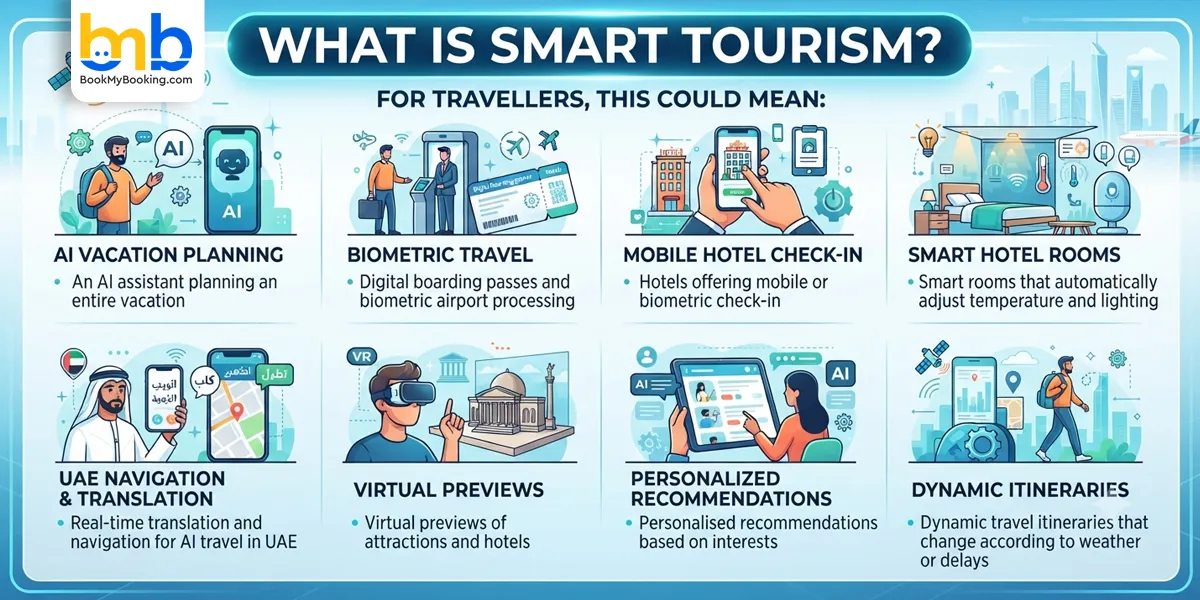
For travellers, this could mean:
- An AI assistant planning an entire vacation.
- Digital boarding passes and biometric airport processing.
- Hotels offering mobile or biometric check-in.
- Smart rooms that automatically adjust temperature and lighting.
- Real-time translation and navigation for AI travel in UAE.
- Virtual previews of attractions and hotels.
- Personalised recommendations based on interests.
- Dynamic travel itineraries that change according to weather or delays.
So, what is smart tourism?
Smart tourism refers to the use of digital technologies, data, and connected systems to improve the travel experience while making destinations, tourism businesses, and infrastructure more efficient, sustainable, and responsive.
A smart destination can collect and analyse information about visitor behaviour, transportation, accommodation, attractions, weather and local conditions. This information can then be used to improve everything from crowd management to personalised recommendations.
In simple terms, Smart tourism means using technology to make travel more seamless and intelligent.
For destinations, smart technology can help monitor visitor flows, improve public transportation, manage resources, and support sustainable tourism.
UN Tourism has highlighted smart destinations and deep technologies as an important area for innovation, particularly where technology can create cohesive and sustainable visitor experiences.
How Has Technology Boosted Tourism?
One of the biggest questions in modern tourism is: How has technology boosted tourism? The answer is visible across the entire customer journey.
Previously, travellers might spend hours searching for different websites for flights, hotels, attractions, and restaurants. Today, AI-powered platforms can bring many of these tasks together. Technology has also made destinations more accessible. Travellers can explore hotels through videos, preview attractions through virtual experiences, and navigate cities using smartphone applications before they even arrive. For businesses, technology has improved customer service and operational efficiency.
Hotels can automate reservations, airlines can use digital identity systems, and destinations can analyse data to understand visitor demand. Artificial intelligence is also making personalisation easier. Instead of offering the same recommendations to every traveller, platforms can increasingly understand individual preferences. This shift is creating a more connected travel ecosystem where airlines, hotels, attractions, transportation providers and travellers interact digitally.
AI Travel Planners Are Becoming the New Digital Travel Companion
One of the biggest tech trends in tourism is the rise of AI-powered travel planning.
An AI travel planner can understand a traveller's destination, budget, interests, travel dates, and preferred activities, then suggest a customised plan.
For example, a traveller could enter:
“Plan a five-day trip to Japan for two people with a mid-range budget, focusing on food, culture and technology.”
Instead of manually researching dozens of websites, an AI system can organise potential destinations, attractions, restaurants, and activities into a structured itinerary.
The technology is also moving beyond basic recommendations. A modern AI travel itinerary generator can potentially adjust plans when circumstances change.
If it rains, the system could suggest indoor attractions. If a flight is delayed, it could rearrange the day's activities. If a traveller decides to spend another night in a destination, the itinerary can be re-organised.
This represents an important shift in how AI supports travel planning: AI is not simply providing information; it can organise information into actionable travel decisions.
Recent developments demonstrate this trend. In 2026, the San Diego Tourism Authority launched an AI-powered chatbot designed to answer travel questions and generate personalised recommendations and itineraries.
Agentic AI Could Transform Travel Booking
The next major development could be agentic AI. Agentic AI in travel can be described as AI that pursues a travel goal through multiple steps rather than simply responding to individual questions.
For example, instead of asking an AI:
“Find me a hotel in Dubai,” a traveller could say:
“Plan my four-day Dubai trip for under my budget, including a hotel near the metro, airport transfers and two cultural experiences.”
An agentic system could research options, compare them, identify suitable combinations, and guide the traveller through booking.
The key distinction is that traditional AI primarily answers questions, while agentic AI is designed to complete objectives through a sequence of actions.
As these systems develop, travellers could increasingly interact with one digital travel assistant instead of using separate platforms for flights, hotels, restaurants and attractions.
AI-Powered Booking Platforms Are Changing How We Shop for Travel
Traditional online travel agencies revolutionised tourism by allowing customers to compare travel products digitally.
The next evolution is AI-powered booking platforms.
Instead of presenting travellers with hundreds of options, AI can narrow choices based on individual preferences.
For example, an AI system could understand that a traveller values:
- Quiet hotels
- Vegetarian food
- Public transportation
- Family-friendly attractions
- Flexible cancellation
- Sustainable tourism
- A specific price range
The platform can then prioritise relevant choices.
This is also changing AI travel booking sites, which are increasingly moving toward conversational search.
Instead of typing multiple filters, travellers can describe the experience they want naturally.
This could make booking travel feel more like speaking with a knowledgeable travel consultant.
Hyper-Personalized Travel Experiences
Personalisation has been a tourism trend for years, but AI is taking it further. Hyper-personalised travel experiences use data and AI to provide recommendations more closely aligned with individual preferences and context.
Imagine arriving in Paris and receiving recommendations based on your interests in art, local food and architecture rather than generic tourist attractions.
Or imagine a hotel recognising that you prefer a cooler room temperature, late breakfast and a particular type of pillow.
The objective is not simply to collect more data. The goal is to use relevant information to create a more useful experience.
However, personalisation also raises important questions about privacy and consent. Smart tourism systems need to balance convenience with responsible data management.
Research into the future of AI-driven tourism increasingly emphasises governance, privacy, inclusion, and ethical considerations alongside personalisation.
Biometric Check-In Hotels and Contactless Travel
Biometrics is another important component of the Future of travel technology.
Airports worldwide are experimenting with digital identity and facial recognition to reduce the need for repeated document checks.
IATA's One ID initiative envisions a travel experience where passengers can share digital credentials in advance and use biometric identification at participating airport touchpoints.
The same concept is influencing hotels.
Biometric check-in hotels can use technologies such as facial recognition or digital identity verification to simplify arrival processes.
Instead of standing at a reception desk and completing paperwork, guests could potentially verify their identity digitally and access their rooms through a secure digital system.
Smart hotel technology can also extend beyond check-in.
Examples include:
- Mobile room keys
- Smart lighting
- Voice-controlled rooms
- Automated temperature controls
- Connected televisions
- Digital concierge services
- Smart energy management
- Contactless payments
These are some of the most important smart hotel tech features emerging in modern hospitality.
Virtual Tour Experiences Bring Destinations to Travellers
Virtual reality and immersive technology are creating new ways to experience destinations.
Virtual tour experiences allow travellers to explore attractions, museums, hotels, and destinations digitally before visiting them in person.
For example, a traveller planning a trip to Japan could virtually explore a museum before deciding whether to include it in their itinerary.
Hotels can also use immersive technology to give potential guests a better understanding of rooms and facilities.
This can reduce uncertainty and help customers make more informed booking decisions.
Virtual experiences are not necessarily designed to replace physical travel. Instead, they can inspire travellers, improve accessibility and help them plan better trips.
Smart Hotels Are Becoming Connected Travel Hubs
Hotels are increasingly becoming technology-driven environments. The modern smart hotel can integrate guest preferences, mobile applications, room controls, digital payments and automated services.
Travellers may be able to check in through a smartphone, unlock a room digitally, adjust the room temperature remotely, and communicate with hotel staff through an app.
Artificial intelligence can also assist hotel employees by automating repetitive customer-service requests.
Examples of AI in hospitality include:
- AI-powered chatbots
- Automated customer support
- Personalized room recommendations
- Demand forecasting
- Revenue management
- Dynamic pricing
- Predictive maintenance
- AI-assisted marketing
- Automated booking support
These are practical examples of AI in hospitality that can improve efficiency while allowing employees to focus on more complex guest needs.
AI Can Help Travellers Compare Smart Hotel Deals
Price comparison remains one of the most important parts of travel planning. Instead of manually checking dozens of accommodation websites, AI can help travellers compare smart hotel deals by price, location, facilities, cancellation policies, and reviews.
For example, the cheapest hotel may not necessarily be the best option.
An AI system could potentially identify that a slightly more expensive hotel provides free breakfast, airport transportation and a better location, making it better value overall. This moves hotel search from simple price comparison toward value-based recommendations.
Personalised Tour Packages Are Becoming Easier to Create
Traditional tour packages often provide predetermined combinations of hotels, sightseeing and transportation.
AI could make these packages much more flexible. Travellers may increasingly be able to book personalized tour packages based on their interests.
A traveller interested in history could receive a heritage-focused package. A foodie could receive a culinary itinerary. An adventure traveller could receive an outdoor-focused itinerary.
Families could receive child-friendly activities, while business travellers could prioritise convenient transportation and flexible schedules.
This is another example of hyper-personalised travel experiences becoming part of mainstream tourism.
Which Is the Best AI Trip Planner App?
Travellers increasingly ask, “What is the Best AI trip planner app?”
There is no single best solution for everyone because the right application depends on the destination, travel style and features required.
When evaluating an AI trip-planning tool, travellers should consider:
- Quality of recommendations
- Ability to create detailed itineraries
- Real-time updates
- Flight and hotel integration
- Map integration
- Personalization
- Budget management
- Ease of use
- Destination coverage
- Privacy policies
The most useful AI planner ultimately saves time while producing recommendations that match the traveller's needs.
Smart Tourism in Asia
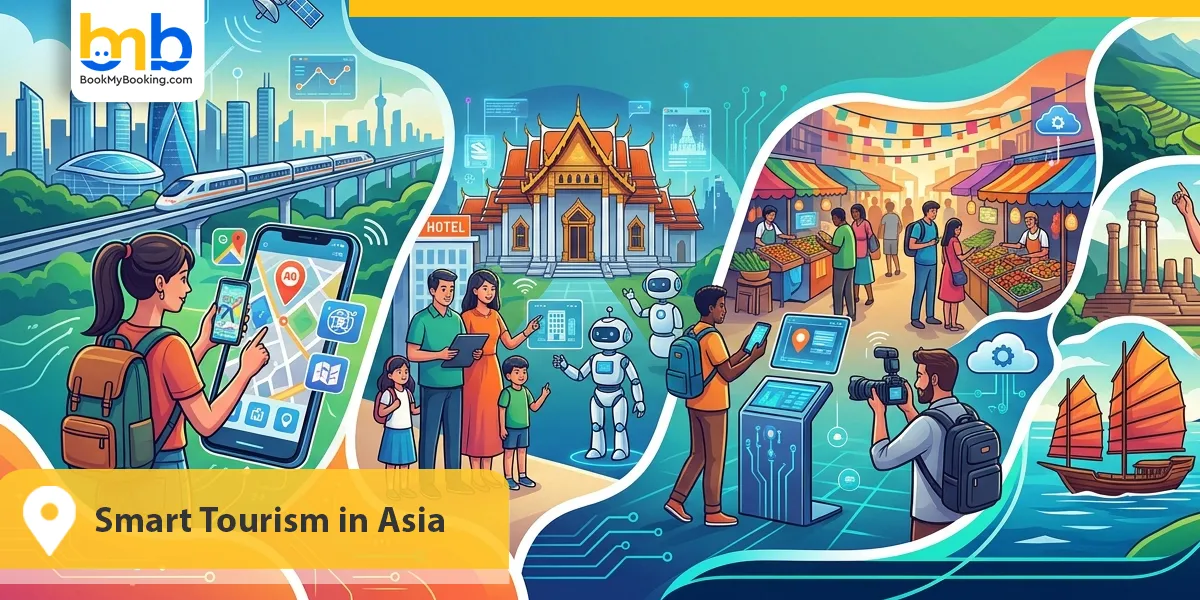
Asia is emerging as one of the most interesting regions for technology-driven tourism.
Smart tourism in Asia includes digital payment systems, mobile travel applications, smart transportation, AI-powered customer service and increasingly sophisticated digital identity systems.
Countries such as Japan, Singapore, South Korea, China and India are investing heavily in digital infrastructure and connected services.
India's Digi Yatra is one example of how digital identity can contribute to smoother airport journeys. IATA's 2026 contactless-travel demonstrations also highlighted the compatibility of digital identity approaches with national programs including India's Digi Yatra.
The broader opportunity is to connect different parts of the tourism ecosystem through interoperable digital systems.
AI-Powered Travel in Japan
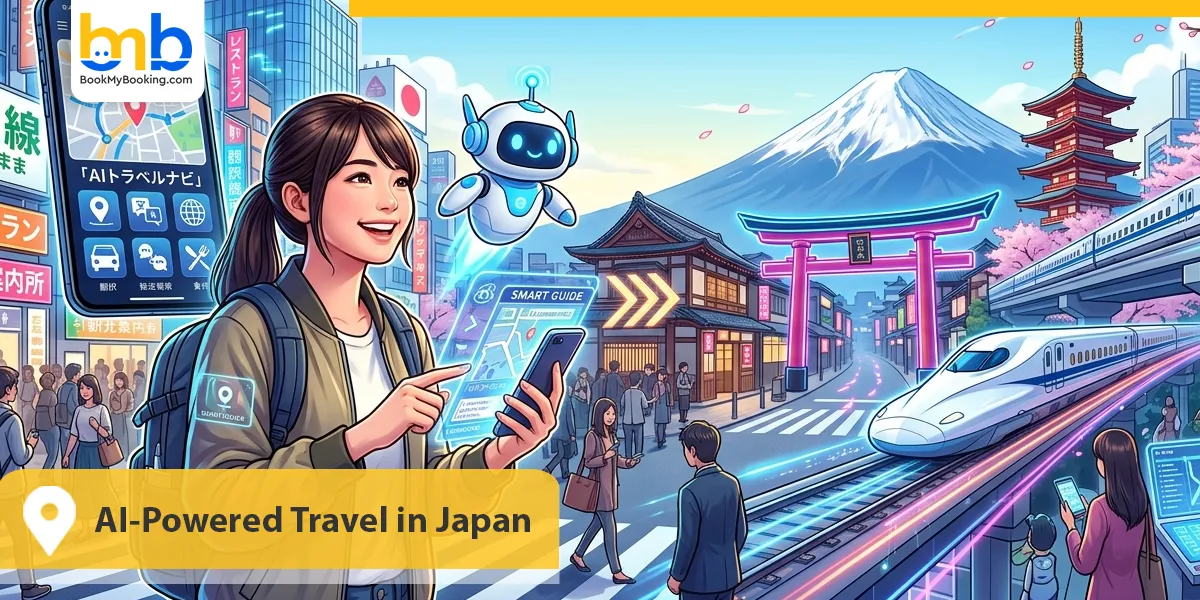
Japan is particularly well positioned for technology-driven tourism.
AI-powered travel in Japan can help international travellers overcome common challenges such as language barriers, complex transportation networks and navigating large cities.
Japan's technology-oriented tourism environment also creates opportunities for immersive experiences, robotics and digitally enhanced attractions.
For international visitors, the combination of advanced infrastructure and AI can create a highly connected travel experience.
Smart Travel Solutions in Vietnam
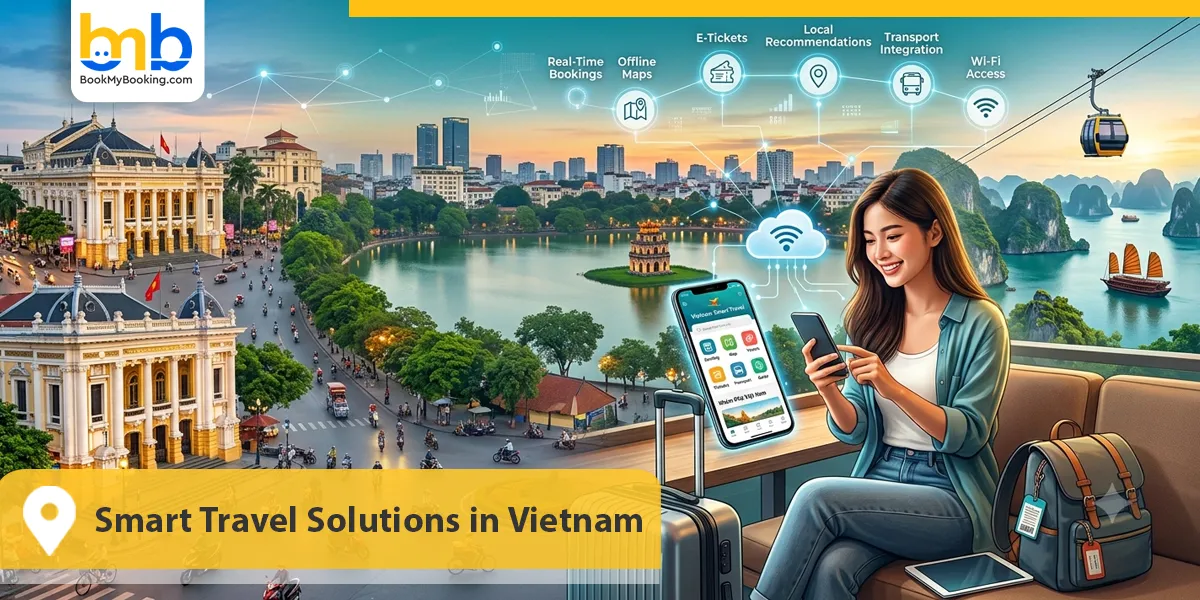
Vietnam's growing tourism sector is also benefiting from digital transformation. Smart travel solutions in Vietnam include mobile booking platforms, digital payments, online destination services and technology-enabled visitor experiences.
As more travellers use smartphones throughout their journeys, destinations can provide real-time information about attractions, transportation and local services. The next phase could involve greater use of AI for itinerary planning, visitor-flow management and personalised destination marketing.
AI Travel in UAE
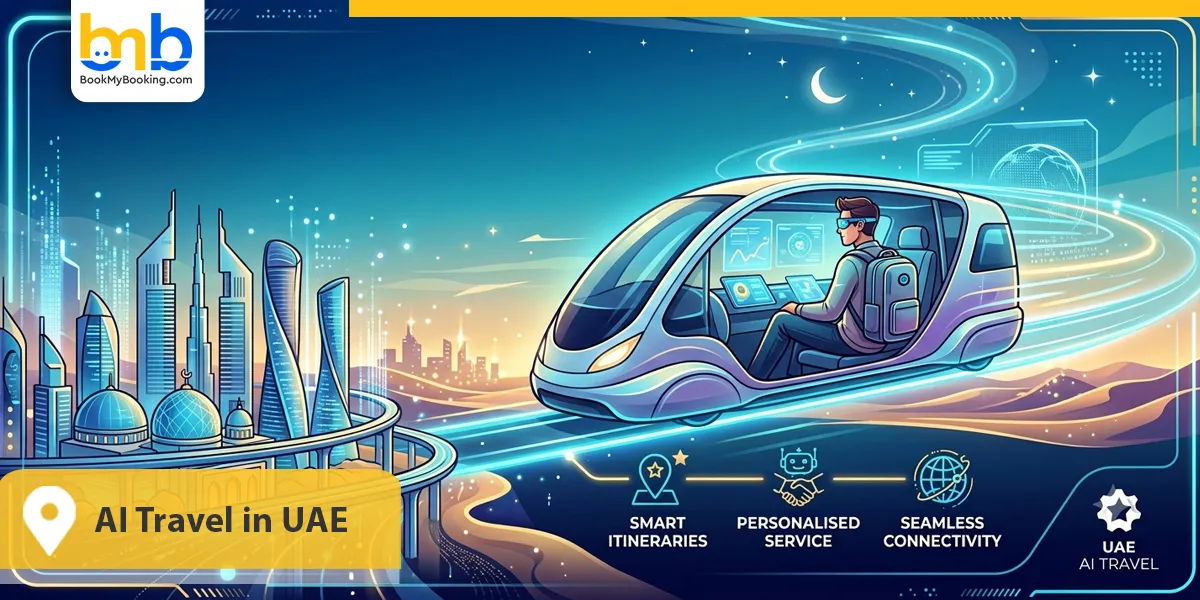
The UAE has established itself as a major technology and tourism hub. AI travel in the UAE is increasingly connected with smart-city infrastructure, digital services, and highly automated customer experiences.
Dubai and Abu Dhabi are particularly suited to smart tourism because of their strong digital infrastructure and international visitor base. Technological development across the UAE’s emirates focuses on advancing digital infrastructure, smart services, artificial intelligence, automation, and sustainable technologies. Initiatives include smart-city solutions, digital government platforms, intelligent transportation, renewable-energy technologies, cybersecurity, and innovation hubs. These developments aim to improve efficiency, enhance citizen experiences, attract investment, and support long-term economic growth.
AI can support hotel operations, airport experiences, transportation, destination marketing and personalised recommendations.
For travellers, this means that the UAE can offer a highly connected travel ecosystem where digital services are integrated into multiple parts of the journey.
Technology Travel in Saudi Arabia
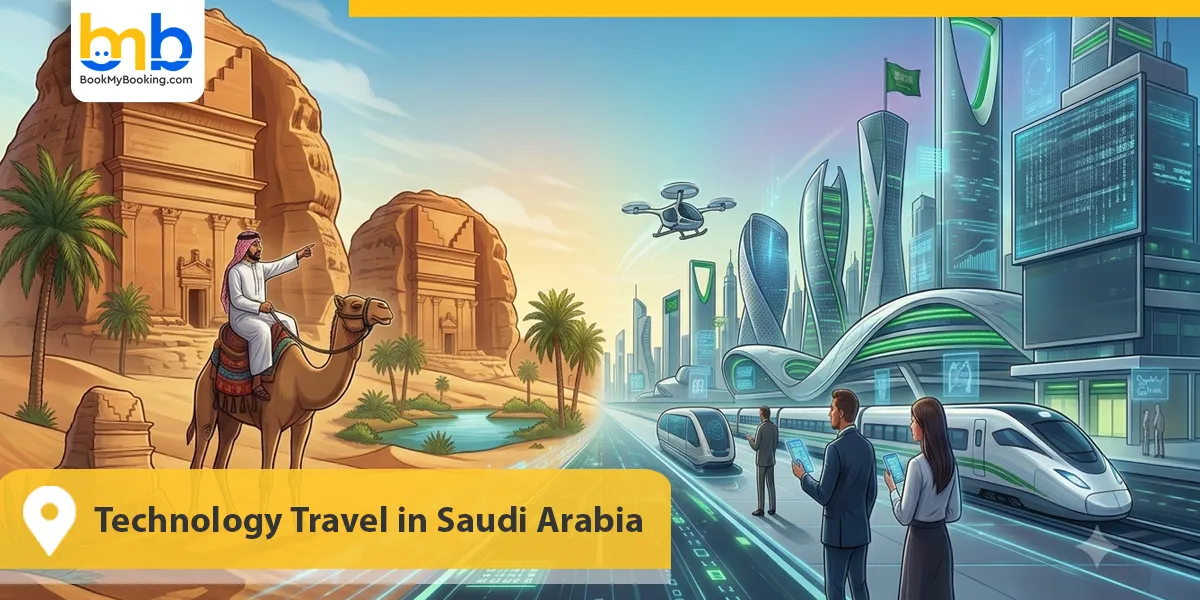
Saudi Arabia is undergoing a major transformation in tourism infrastructure and destination development.
Technology travel in Saudi Arabia is likely to become increasingly important as the country develops new tourism destinations and invests in digital infrastructure.
AI, smart-city technology, digital payments, connected transportation and immersive experiences can help create new models of destination management. Saudi travel plans increasingly combine iconic destinations with technological transformations. Visitors can explore Riyadh’s smart-city initiatives, NEOM’s futuristic developments, AlUla’s digitally enhanced tourism experiences, Jeddah’s heritage attractions, and smart transportation solutions, showcasing how technology is reshaping travel, hospitality, accessibility, and visitor experiences across the Kingdom.
The country's large-scale tourism developments also provide opportunities to design technology into destinations from the beginning rather than adding it later.
Tech Travel Trends in Europe
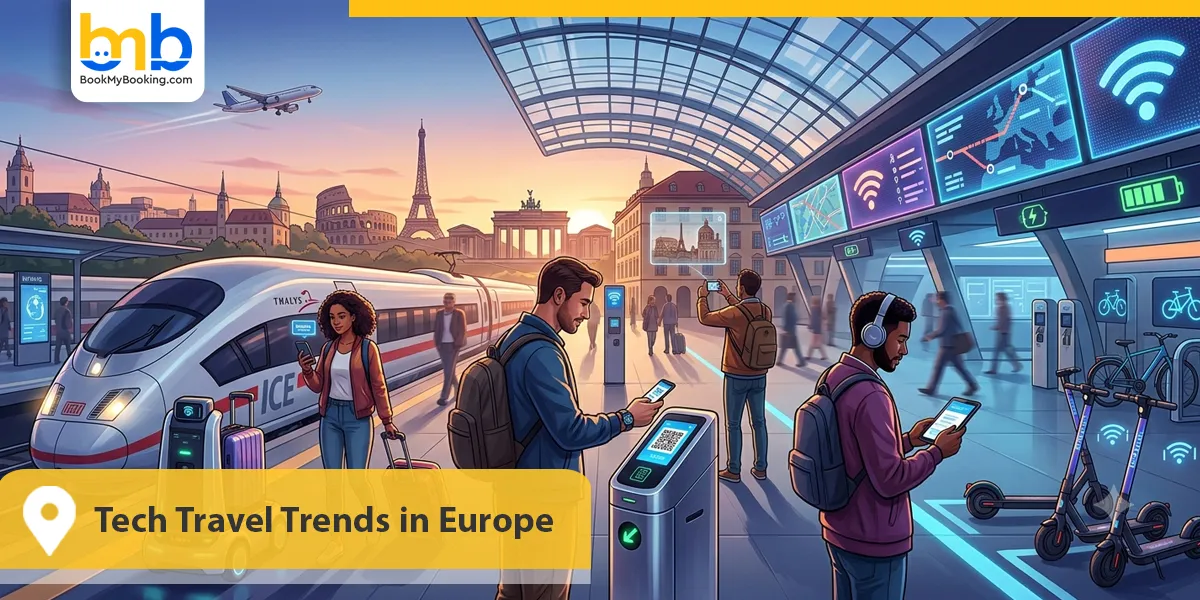
Europe continues to play an important role in digital tourism. Major tech travel trends in Europe include mobile-first travel services, digital identity, smart transportation, sustainable tourism technology, and AI-powered personalisation.
European destinations are also exploring ways to manage tourism more sustainably. Technology can help destinations understand visitor flows and identify overcrowded locations. This can encourage travellers to explore alternative attractions and distribute tourism more evenly.
Digital identity is another major development. IATA's 2026 proofs of concept demonstrated that biometric-enabled international travel can work across multiple airlines, airports and digital identity systems.
Digital Nomad Destinations Are Becoming Smarter
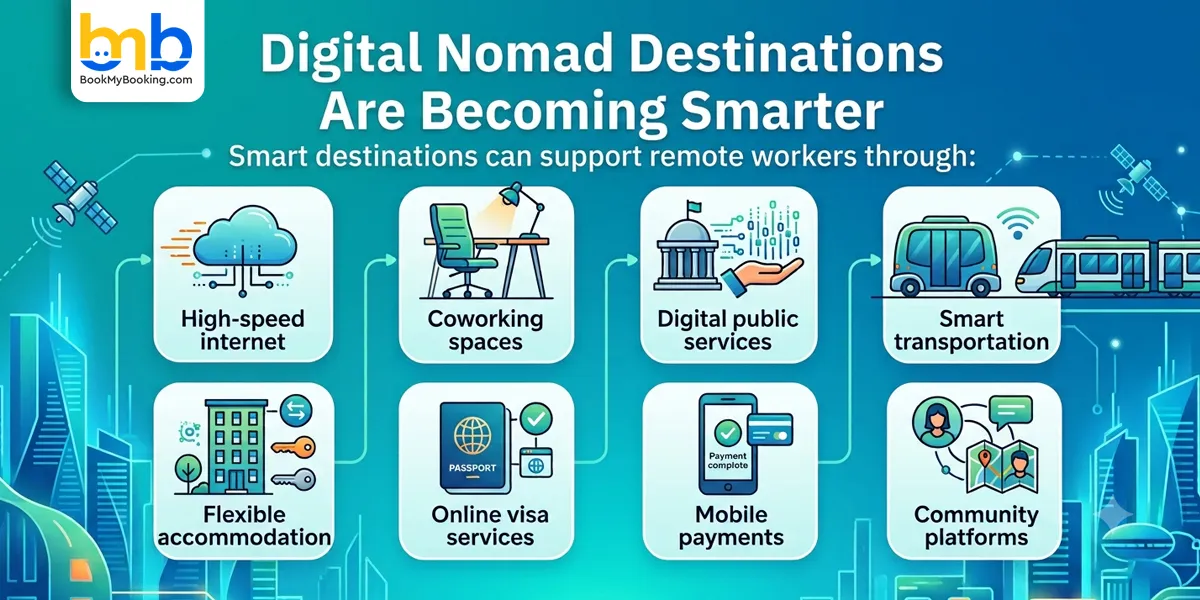
The growth of remote work is creating demand for digital nomad destinations with strong internet infrastructure, coworking spaces, digital payments and technology-friendly accommodation.
For digital nomads, technology is no longer simply a convenience. It is part of the infrastructure required to live and work abroad. As remote work becomes more geographically flexible, destinations will increasingly compete based on their digital infrastructure as well as traditional tourism attractions.
The Benefits of Smart Tourism
Smart tourism offers many benefits for both travellers and destinations.
For travelers
Smart technology can provide:
- Faster booking
- Personalized recommendations
- Better navigation
- Easier check-in
- Reduced waiting times
- Real-time travel information
- Better accessibility
- More convenient payments
- More immersive experiences
For businesses
Tourism companies can benefit through:
- Better customer insights
- Automated operations
- Improved efficiency
- Personalized marketing
- Demand forecasting
- Better resource management
- Improved customer service
For destinations
Destinations can use technology to:
- Manage crowds
- Improve transportation
- Monitor tourism demand
- Reduce environmental pressure
- Improve visitor safety
- Support local businesses
- Develop sustainable tourism strategies
Recent UNDP and UN Tourism research emphasises data and AI systems as one of the opportunity areas for creating more adaptive and sustainable tourism systems.
The Future of Travel Technology
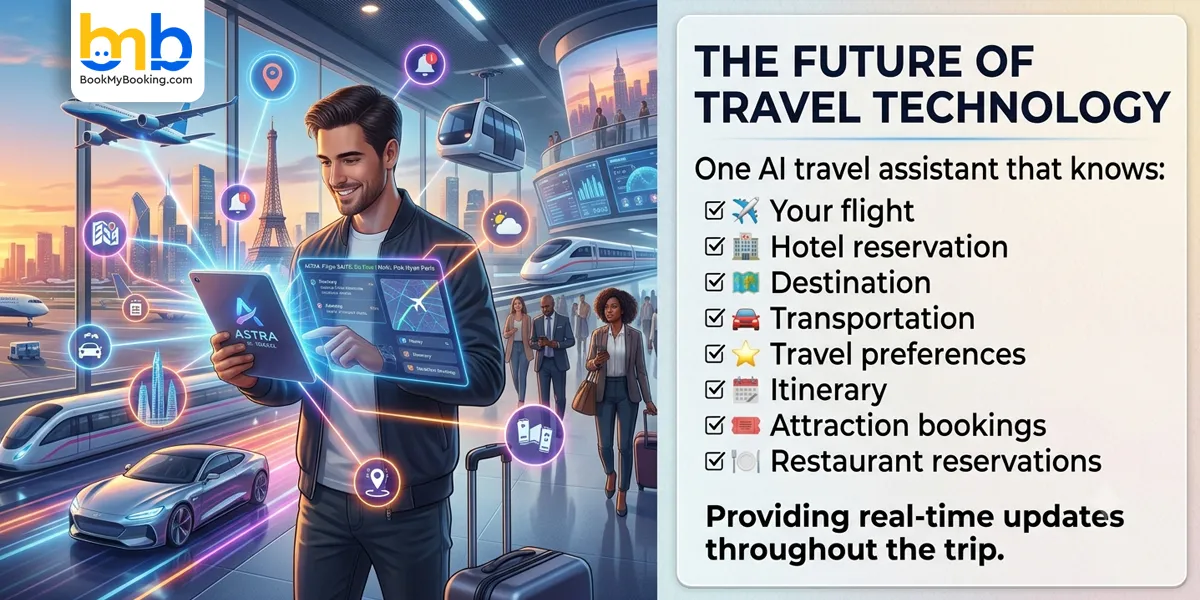
The Future of travel technology will likely be defined by greater integration. Instead of travellers using dozens of disconnected applications, the travel ecosystem could increasingly operate through connected digital platforms.
For example:
“Your flight is delayed by two hours. I've moved your museum visit to tomorrow afternoon and found a nearby restaurant for tonight.”
This type of proactive assistance is where agentic AI could have a major impact.
Challenges of Smart Tourism
Smart tourism is not without challenges. The biggest concerns include privacy, cybersecurity, digital exclusion, inaccurate AI recommendations, and dependence on technology. Biometric systems also require strong privacy protections and clear consent mechanisms.
IATA's One ID framework emphasises privacy, informed consent, and giving travellers control over their digital identity information. The question of human interaction also remains.
Technology should make travel easier without removing the human element that makes hospitality meaningful.
The best future may therefore combine intelligent technology and human service, rather than replacing people entirely.
Why Smart Tourism Will Define Travel in 2026 and Beyond
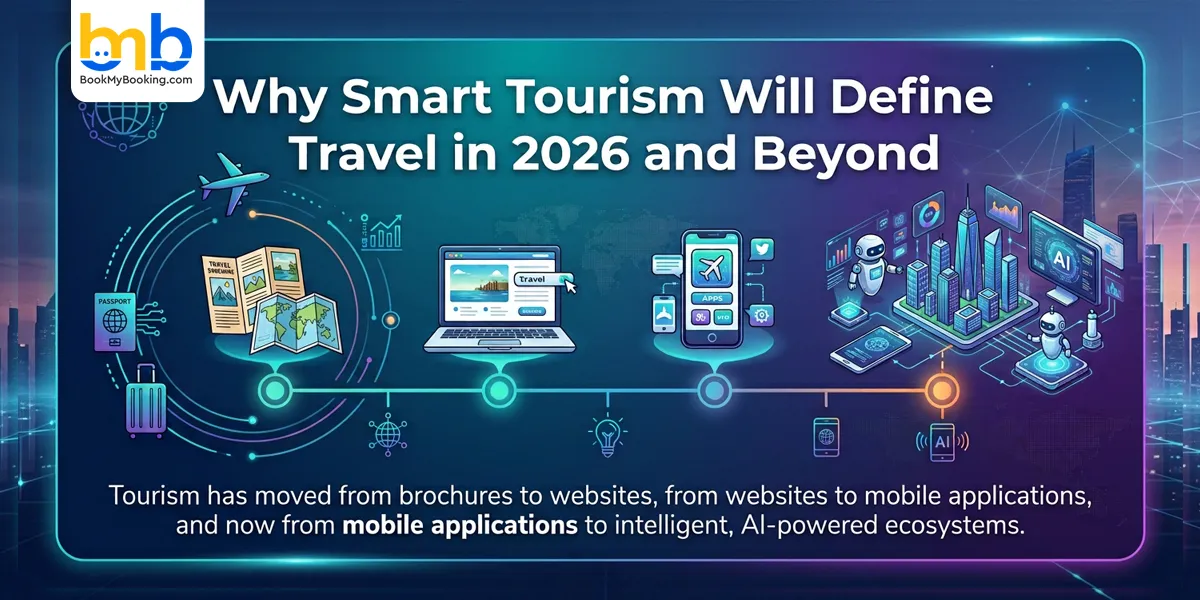
Tourism has moved from brochures to websites, from websites to mobile applications, and now from mobile applications to intelligent, AI-powered ecosystems.
The next stage is about making travel more predictive, personalised, and connected. Travellers will increasingly expect technology to understand what they need rather than simply provide a list of options.
- Hotels will become smarter.
- Airports will become more contactless.
- Tour operators will become more personalised.
- Destinations will become more data-driven.
- And AI assistants may increasingly become digital travel companions.
The transition is already underway. UN Tourism's focus on artificial intelligence and innovation reflects AI's growing role in tourism. At the same time, IATA's ongoing work shows how digital identity and biometrics are moving toward practical contactless travel.
Conclusion
Smart tourism is no longer a futuristic concept. It is becoming part of the everyday travel experience. From the first search for a destination to the moment a traveller checks out of a hotel, technology is changing how trips are planned, booked and experienced. AI travel planners can simplify itinerary creation. AI-powered booking platforms like BookMyBooking can make travel searches more personalised. Virtual tour experiences can help travellers explore destinations before arrival. Biometric systems can reduce friction at airports, and hotels can use connected technology to provide more convenient stays.