

In today’s rapidly evolving travel ecosystem, businesses are moving beyond traditional planning methods toward emotionally engaging journeys. What once existed as operational coordination has transformed into experience-led storytelling. The shift from administrative planning to immersive engagement marks a new era in which corporate travel logistics no longer remain confined to spreadsheets but instead evolve into memorable human experiences.
Modern organisations understand that travel is not merely transportation and accommodation; it is an opportunity to inspire, connect, and influence. This transformation is driven by the growing demand for experiential design, in which logistics becomes the invisible backbone supporting meaningful moments. Companies worldwide are embracing event logistics transformation to create journeys that go beyond functionality and deliver truly memorable travel outcomes.
The Evolution of Corporate Travel
For decades, travel managers focused on efficiency: cost control, schedules, compliance, and reporting. Flights were booked, hotels reserved, and itineraries distributed. While effective, traditional corporate travel logistics often overlook emotional engagement.
Today’s workforce expects more. Employees, clients, and partners want journeys that feel purposeful and inspiring. The rise of experiential design has reshaped expectations, encouraging organisations to rethink how meetings, incentives, conferences, and events are planned.
This new era of event logistics transformation merges operational precision with creativity. Companies are realising that impactful travel leads to stronger relationships, higher productivity, and more memorable travel experiences that extend far beyond business objectives.
1. From Administrative Task to Strategic Function
Earlier, corporate travel was purely administrative:
- Booking flights and hotels
- Managing approvals
- Controlling travel expenses
Today, corporate travel logistics play a strategic role in:
- employee engagement,
- business expansion,
- client relationship building.
Companies now integrate experiential design into travel planning, aligning trips with business objectives and supporting ongoing event logistics transformation that delivers memorable travel experiences.
2. Paper Tickets to Digital Ecosystems
Corporate travel once relied on travel agents, printed itineraries, and manual records.
Modern evolution includes:
- mobile booking platforms,
- AI-based itinerary management,
- real-time travel updates.
Digital tools have transformed corporate travel logistics into smart ecosystems that support seamless experiential design while accelerating event logistics to deliver smoother, more memorable travel journeys.
3. Cost Control to Value Creation
Previously, success meant minimising travel expenses.
Now organisations focus on:
- ROI of travel,
- employee productivity,
- experience impact.
This shift redefined corporate travel logistics as value creators. Through intentional experiential design, companies ensure that trips contribute to innovation and collaboration, enabling a transformation of event logistics that leads to more memorable travel outcomes.
4. Standardised Trips to Personalised Journeys
Traditional business travel followed identical itineraries for everyone.
The modern era emphasises:
- personalized accommodations,
- customized experiences,
- flexible schedules.
Personalisation has reshaped corporate travel logistics, enabling planners to implement experiential design strategies that drive transformation in event logistics and deliver deeply memorable travel experiences.
5. Meetings to Experience-Led Events
Corporate meetings were once limited to conference rooms.
Today’s evolution includes:
- destination conferences,
- cultural immersion activities,
- interactive networking formats.
This transition highlights how corporate travel logistics enable immersive experiential design, supporting large-scale event logistics transformation and creating impactful, memorable travel experiences.
6. Travel Managers to Experience Curators
The role of travel managers has changed significantly.
Earlier responsibilities:
- booking coordination,
- expense reporting,
- compliance monitoring.
Modern responsibilities:
- designing engagement journeys,
- managing traveller wellbeing,
- integrating technology.
This evolution reflects the rise of experiential design in corporate travel logistics, driving continuous transformation in event logistics and enhancing memorable travel delivery.
7. Employee Travel to Workforce Experience
Companies now view travel as part of employee experience strategy.
Benefits include:
- improved morale,
- stronger team bonding,
- talent retention.
By embedding experiential design into corporate travel logistics, organisations enable a meaningful transformation of event logistics that turns routine trips into memorable travel opportunities.
8. Reactive Planning to Data-Driven Decisions
Earlier travel planning reacted to immediate needs.
Modern planning uses:
- analytics,
- traveller behaviour insights,
- predictive technology.
Data enhances corporate travel logistics, supporting smarter experiential design decisions and accelerating the transformation of event logistics, ensuring consistently memorable travel experiences.
9. Logistics Focus on Human-Centric Approach
Corporate travel now prioritises people over processes.
Key priorities include:
- comfort,
- wellbeing,
- cultural engagement.
Human-centred corporate travel logistics rely heavily on experiential design, enabling the transformation of event logistics to create authentic and memorable travel moments.
10. Business Trips to Brand Experiences
Travel has become an extension of brand identity.
Organisations use travel to:
- showcase company culture,
- impress clients,
- strengthen partnerships.
Through strategic experiential design, modern corporate travel logistics drive brand-focused event logistics transformation, ensuring every journey becomes memorable travel storytelling.
Why Experiences Matter More Than Ever
Experience-driven travel creates lasting impressions. Neuroscience shows that emotional experiences improve retention, motivation, and engagement. This insight has fundamentally changed corporate travel logistics, shifting focus from cost-only planning to value creation.
Through thoughtful experiential design, every travel touchpoint becomes intentional, from airport welcome moments to curated local interactions. Organisationss undergoing event logistics transformation recognise that meaningful journeys influence employee satisfaction and brand perception.
When travel planners prioritise storytelling and personalisation, business trips evolve into memorable travel narratives that participants associate with growth, inspiration, and connection.
Moving Beyond Spreadsheets
Spreadsheets once dominated travel planning. They ensured organisation but rarely inspired excitement. Modern corporate travel logistics now integrate digital platforms, automation, and data intelligence to enable creativity rather than restrict it.
Technology empowers planners to focus on experiential design by using analytics to understand traveller preferences and behaviours. The result is a seamless event logistics transformation in which efficiency supports innovation rather than limiting it.
Instead of static itineraries, travellers experience dynamic journeys filled with personalised elements that create memorable travel moments—from cultural immersion to surprise encounters.
The Role of Technology in Travel Transformation
Digital innovation sits at the centre of the modern evolution of travel. Advanced platforms enable real-time coordination, predictive planning, and personalisation in corporate travel logistics systems.
Artificial intelligence helps shape experiential design by recommending activities aligned with traveller interests. Mobile apps guide participants through journeys, supporting a smooth transformation of event logistics without overwhelming planners.
Technology ultimately enables memorable travel by removing friction, allowing travellers to focus on experiences rather than logistics.
Designing Travel Experiences with Purpose
Successful travel experiences begin with intentional design. Organisations must define objectives before planning logistics. Effective corporate travel logistics align with broader company goals such as collaboration, learning, or celebration.
Through strategic experiential design, planners craft journeys that reflect organisational culture. This approach drives event logistics transformation, ensuring every moment contributes to engagement and storytelling.
Purpose-driven planning transforms ordinary business trips into memorable travel experiences that inspire participants long after returning home.
Personalisation as the New Standard for Corporate Travel
Modern travellers expect customisation. Personalised itineraries represent the future of corporate travel logistics, moving beyond one-size-fits-all solutions.
Using insights gathered through data, planners implement experiential design that adapts to dietary preferences, cultural interests, and professional objectives. Such personalisation fuels event logistics transformation, turning logistics into emotional engagement.
When travellers feel understood and valued, journeys naturally become memorable travel experiences that foster loyalty and enthusiasm.
The Rise of Experiential Corporate Events
Corporate events have transformed dramatically. Conferences are no longer limited to hotel ballrooms. Innovative corporate travel logistics now incorporate destination storytelling and interactive environments.
Through immersive experiential design, meetings include cultural workshops, local collaborations, and creative networking formats. This approach represents a powerful transformation in event logistics, redefining how organisations connect people.
Participants leave not just informed but inspired, carrying memorable travel experiences that strengthen brand relationships.
Human Connection at the Core
Despite technological advancements, human connection remains central. Effective corporate travel logistics focus on facilitating authentic interactions among participants.
Intentional experiential design creates shared moments, team challenges, cultural immersion, or collaborative activities that encourage bonding. Such initiatives drive event logistics transformation, proving logistics can enable emotional storytelling.
Shared experiences ultimately lead to memorable travel outcomes that deepen relationships within teams and organisations.
Sustainability and Responsible Travel
Sustainability has become essential in modern corporate travel logistics. Organisations increasingly prioritise eco-conscious planning and responsible sourcing.
Green initiatives integrated into experiential design include community engagement, sustainable venues, and ethical tourism practices. This shift reflects a broader transformation in event logistics, aligning business travel with environmental values.
Responsible choices enhance traveller satisfaction while creating memorable travel experiences rooted in purpose and social impact.
Measuring Travel Experience Success
Traditional travel metrics focused on budgets and attendance. Today, corporate travel logistics evaluate emotional impact and engagement levels.
Feedback tools integrated into experiential design capture participant sentiment and experience quality. Data-driven insights support ongoing event logistics transformation, helping planners refine future journeys.
Success is measured not only by efficiency but also by how deeply participants remember and value memorable travel experiences.
The Power of Storytelling in Modern Travel Planning
Storytelling has emerged as a defining element of modern travel planning. Effective corporate travel logistics create narratives rather than schedules.
Through creative experiential design, journeys unfold like stories—with anticipation, discovery, and emotional peaks. Story-driven planning transforms event logistics, elevating travel from an operational necessity to an experiential spectacle.
Stories linger in memory, turning business trips into truly memorable travel experiences.
Collaboration Between Teams
Transformation requires collaboration across departments. HR, marketing, operations, and leadership must align with corporate travel logistics strategies.
Cross-functional cooperation enhances experiential design, ensuring travel experiences reflect organisational identity. Such collaboration accelerates event logistics transformation, enabling cohesive and impactful journeys.
Unified planning results in memorable travel experiences that resonate across entire organisations.
- Align corporate travel logistics with company business goals
Successful corporate travel begins when logistics teams clearly understand organisational objectives. Aligning corporate travel logistics with strategic goals ensures trips support revenue growth, employee engagement, client relationships, and brand positioning while maintaining efficiency, consistency, and measurable outcomes across travel programs. - HR and leadership coordinate for employee engagement outcomes
Human Resources and leadership teams collaborate to ensure travel experiences improve employee satisfaction, learning opportunities, and retention. By contributing insights into workforce needs, they help shape experiential design strategies that transform travel into meaningful engagement rather than routine business movement. - Marketing teams integrate branding into experiential design planning
Marketing departments ensure travel experiences reflect brand identity through storytelling, visuals, messaging, and curated interactions. Their collaboration strengthens experiential design, enabling events and journeys to communicate company values consistently while driving transformation in event logistics and fostering long-term brand recall among participants. - Operations ensure smooth execution during event logistics transformation
Operations teams play a critical role by managing timelines, vendor coordination, transportation, and on-ground execution. Their structured approach enables seamless transformation of event logistics, ensuring experiential ideas translate into practical reality while minimising risks, delays, and disruptions in corporate travel programs. - Finance teams manage budgets without compromising travel quality
Finance departments collaborate closely with travel planners to balance cost efficiency with experience quality. Instead of focusing only on expense reduction, they support investments that enhance memorable travel outcomes while maintaining transparency, compliance, and strong financial accountability throughout corporate travel logistics planning.
- IT departments support digital tools for seamless travel coordination
Technology teams enable smooth collaboration by implementing booking platforms, communication tools, and real-time tracking systems. IT support strengthens corporate travel logistics through automation and analytics, empowering experiential design teams to deliver efficient, personalised, and well-coordinated travel experiences for participants worldwide. - Event planners collaborate with destination partners and vendors
Event planners work closely with local suppliers, venues, transportation providers, and experience creators. Strong partnerships enhance experiential design possibilities and support the transformation of event logistics, ensuring authentic cultural experiences while maintaining service quality, operational reliability, and seamless execution in corporate travel programs. - Communication teams manage traveller updates and experience storytelling
Communication teams ensure participants remain informed before, during, and after travel. They craft messaging, itineraries, and engagement content that support experiential design while strengthening memorable travel storytelling, helping travellers feel connected, confident, and emotionally invested throughout the journey. - Cross-functional meetings ensure unified planning and decision-making
Regular collaboration meetings bring departments together to share insights, address challenges, and align expectations. These discussions strengthen corporate travel logistics by breaking down silos, improving coordination, and enabling smoother event logistics transformation through collective decision-making and shared accountability across organisational teams. - Shared feedback loops help improve future corporate travel logistics and experiences
Post-travel feedback from travellers and teams helps organisations continuously refine their strategies. Insights guide improvements in experiential design and support long-term transformation of event logistics, ensuring future programs deliver increasingly memorable travel experiences aligned with evolving employee and business expectations.
Future Trends in Travel Experiences
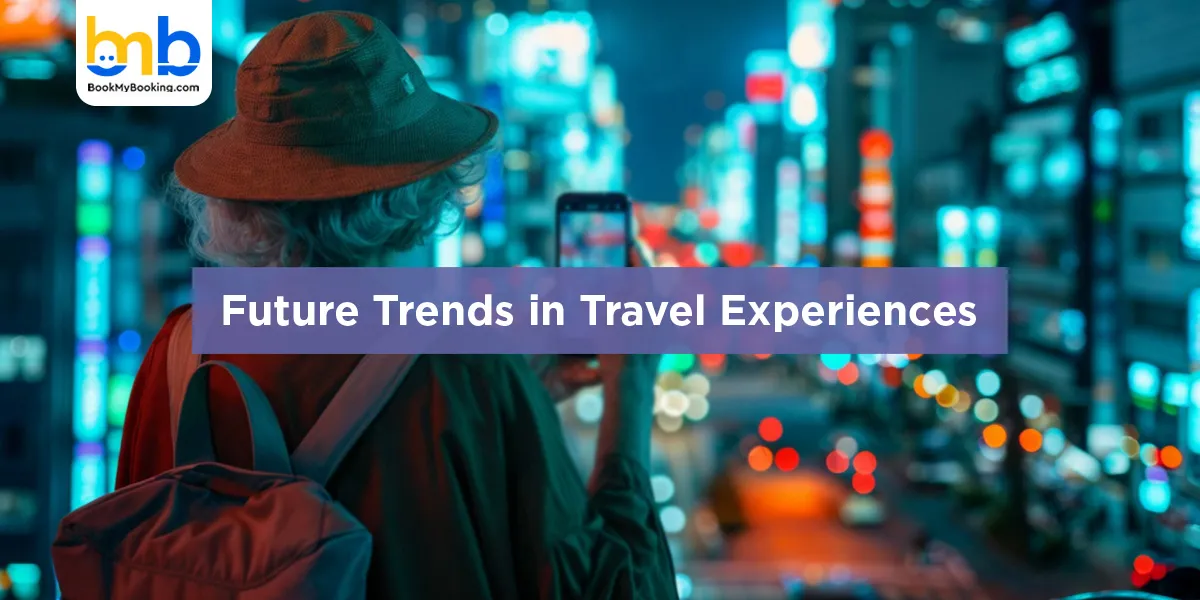
The future promises continued innovation in corporate travel logistics. Emerging technologies such as immersive reality and predictive analytics will redefine planning.
Forward-thinking companies invest heavily in experiential design, exploring hybrid events, digital engagement, and personalisation at scale. These innovations support ongoing event logistics transformation, ensuring travel remains dynamic and relevant.
As expectations evolve, organisations must prioritise memorable travel experiences that blend efficiency with emotional resonance.
Leadership’s Role in Transformation
Leadership commitment plays a critical role in reshaping corporate travel logistics. Executives who value experiences empower teams to innovate beyond traditional frameworks.
Strategic investment in experiential design signals organisational dedication to engagement and creativity. This leadership-driven transformation of event logistics encourages experimentation and continuous improvement.
When leaders champion experiences, employees participate in memorable travel journeys that reflect the company's vision and culture.
Creating Lasting Impact
Ultimately, travel success lies in impact. Modern corporate travel logistics aim to influence behaviour, inspire creativity, and strengthen relationships.
Intentional experiential design transforms travel into a strategic tool for engagement. Organisations embracing event logistics transformation understand that experiences drive lasting change.
Participants return home carrying memorable travel stories that reinforce organisational identity and personal growth.
Conclusion: The Spectacle of Modern Travel
The journey from spreadsheets to spectacle represents a fundamental shift in how businesses approach travel. No longer limited to operational efficiency, corporate travel logistics now serve as the foundation for immersive experiences.
By embracing experiential design, organisations unlock creativity, personalization, and emotional connection. Continuous event logistics transformation ensures travel remains relevant in an experience-driven world.
The future belongs to companies that recognize travel as more than movement it is an opportunity to create memorable travel experiences that inspire people, strengthen brands, and transform ordinary journeys into extraordinary spectacles.